

 French
 Spanish
 Russian
Mike - Private Guide in Brussels
Member Since 2005Flanders Fields WW I
Culture and History tour in Ypres
Tour Price : €600 Duration : 10-12 hours Languages: English, French, German, Dutch, Italian, Spanish, Swedish
Visite guidée privée
Flanders' Fields Champs de bataille et mémoriaux de la 1ère guerre mondiale
Ypres et ses environs 12 heures jusqu'à 4 px. 600,00 euros
Heure supplémentaire : 40,00 euros de l'heure
Au 13 s., avec Bruges et Gand, Ypres était l'une des grandes Cités de Flandre, mais elle entra plus tard dans un long déclin. Pendant la Première Guerre mondiale, c'était le point d'appui du saillant d'Ypres, une enclave âprement disputée sail faisantlie dans les lignes allemandes, et la ville a été complètement détruite. Après la guerre, il a été reconstruit dans le style traditionnel.
Aujourd'hui, c'est un haut lieu de commémoration de la terrible tuerie qui eut lieu entre 1914-1918, tandis que la campagne environnante est une vaste nécropole avec environ 170 cimetières militaires et bien d'autres rappels de guerre. En plus de visiter la ville, nous découvrirons :
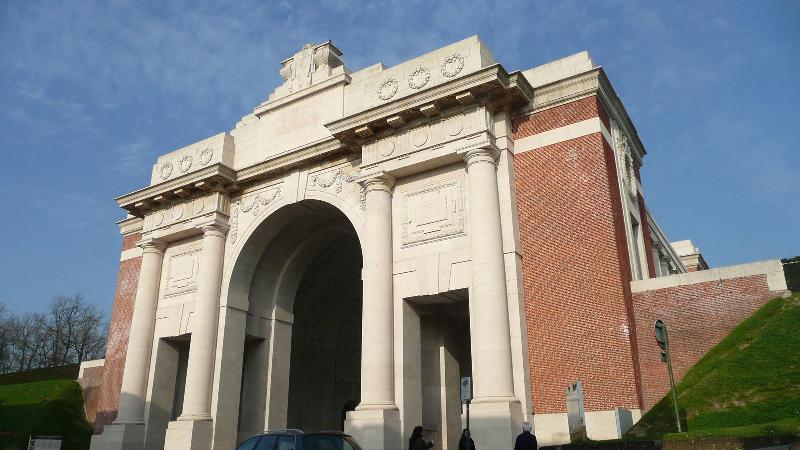
La Porte de Menin.
Ce plus important mémorial britannique de la Première Guerre mondiale, Il commémore les noms de 54.896 soldats qui n'ont pas de sépulture connus. Il se dresse sur le site de l'ancienne Menenpoort, la porte gardant la route de la petite ville de Menin vers l'Est. C'était la route empruntée par d'innombrables milliers de soldats marchant vers et depuis la ligne de front. Tous les soirs à 20h, la circulation s'arrête et les clairons des Pompiers d'Ypres sonnent LE LAST POST »
Notre guide privé à Ypres vous attend !!!
Église Saint-Georges .
L'intérieur contient de nombreux mémoriaux poignants, dont celui de Sir John French, commandant du Corps expéditionnaire britannique.
Musée du Champ de Flandre .
Ce musée innovant ouvert en 1998, retrace l'histoire de la Première Guerre mondiale, de la manière la plus convaincante. Le musée accorde une attention particulière aux expériences des gens ordinaires, évoquant la terrible guerre des tranchées et la vie quotidienne derrière le front.
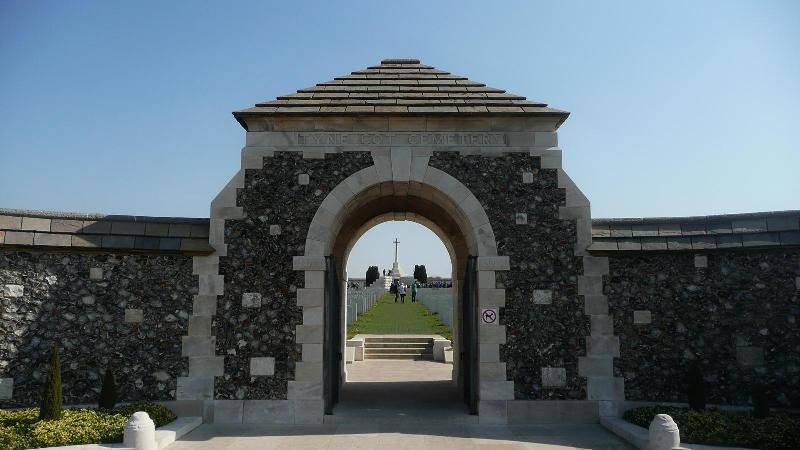
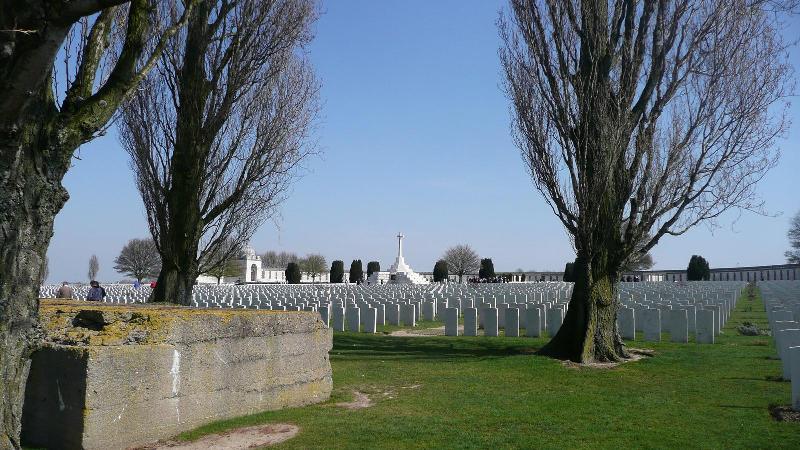
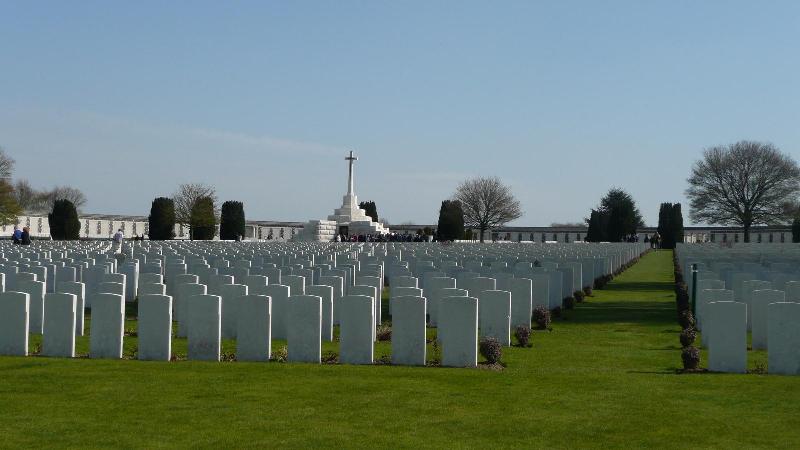
Cimetière de Tyne Cot.
Lors de la troisième bataille d'Ypres, les Britanniques - principalement des Australiens et des Canadiens - ont payé une avance de 8 km vers le village en ruine de Passendale avec près de 400 000 victimes. Le cimetière ici est le PLUS GRAND CIMETIÈRE DE GUERRE DU COMMONWEALTH au monde, avec 11 856 pierres tombales.
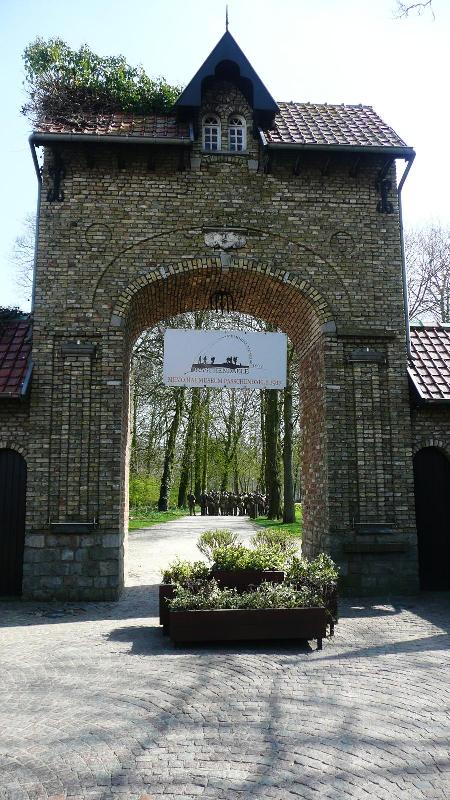
Le Memorial Museum Passchendaele
La bataille de Passchendaele 1917 a été l'une des batailles les plus sanglantes de la PREMIÈRE GUERRE MONDIALE
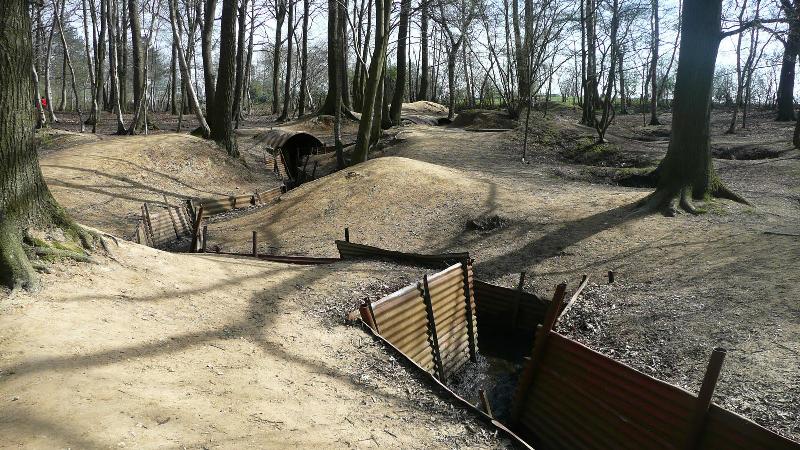
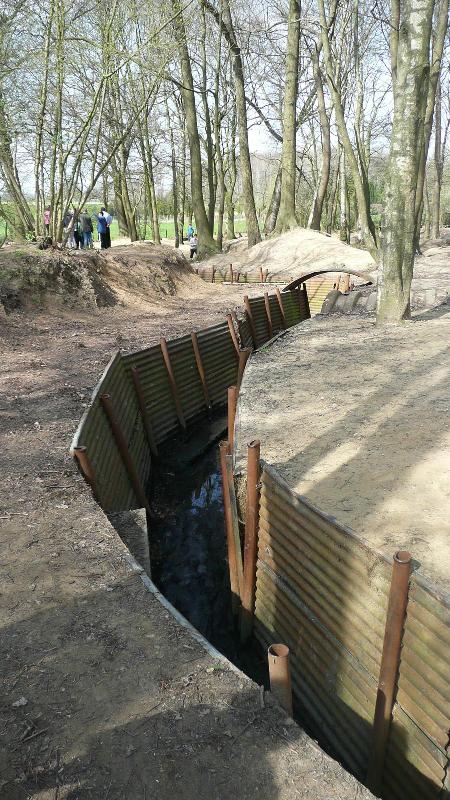
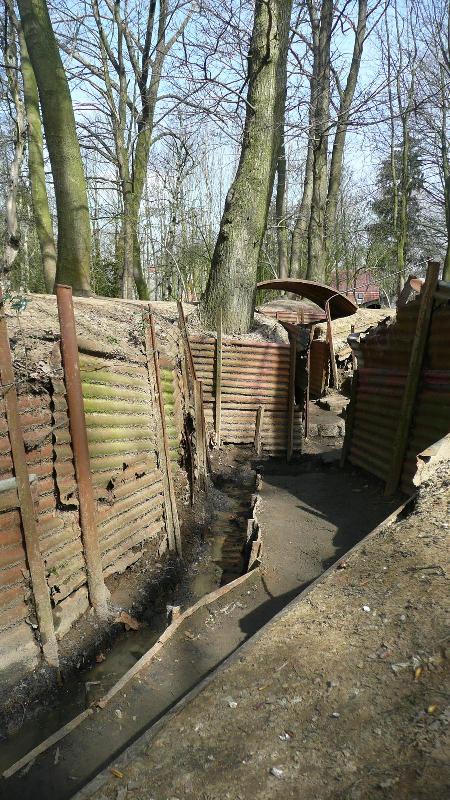
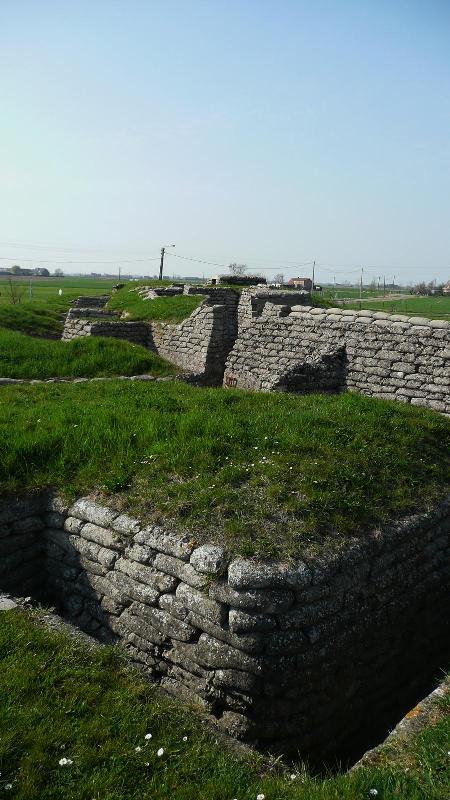
Tranchées du Mont Kemmel et de Bayernwald
A côté de plusieurs Mémorial de différentes Nations, et cimetières, les Tranchées allemandes parfaitement conservées sont à découvrir
LE CIMETIÈRE AMÉRICAIN DE LA PREMIÈRE GUERRE MONDIALE
Est le seul cimetière américain de la Première Guerre mondiale en Belgique. La plupart de ces héros ont donné leur vie au combat de la campagne Ypres-Lys le 30 octobre. 1918
Nos visites guidées à Ypres vous attendent!!!
DIKSMUIDE
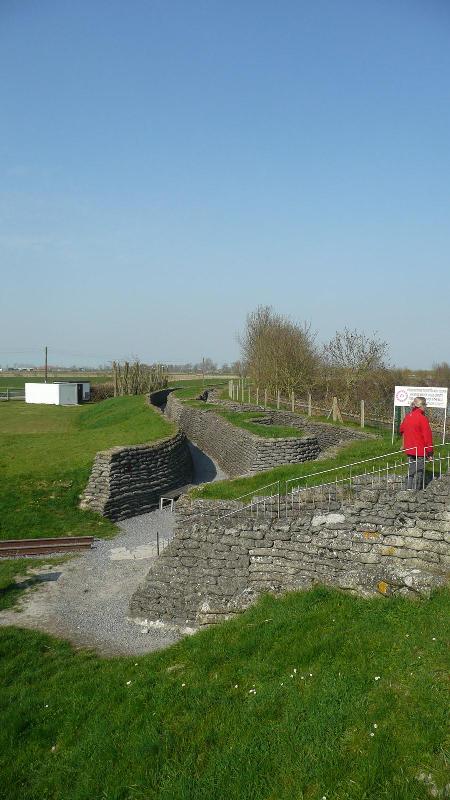
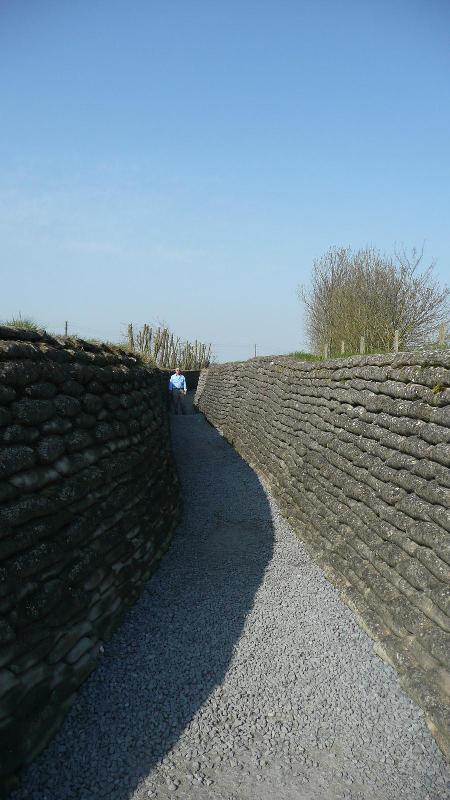
En octobre/novembre 1914, ce fut l'un des points stratégiques de la bataille de l'Ijzer lorsque les unités belges et françaises s'opposèrent à une résistance héroïque à l'avancée allemande. Les bombardements ont succédé si intenses que la ville a disparu de la surface de la terre. A Dixmude, nous découvrirons le célèbre « Dodengang ». Pendant quatre ans, les soldats belges ont résisté à l'avancée allemande dans ces abris, connus sous le nom de "Tranchée de la Mort". Les visiteurs peuvent se promener dans les deux longues tranchées, dans lesquels les parapets en sacs de sable ont été fidèlement reproduits en béton.
Additional information
| Tour information: | |
| Tour Price: €600 | |
| Duration: 10-12 hours | |
| Group Size: 1-4 tourists | |
| Languages: English, French, German, Dutch, Italian, Spanish, Swedish | |
| Tour package includes: | |
| Airport Transfer : | YES |
| Hotel pick-up: | YES |
| Drop-off : | YES |
| Tour Transportation (car, van, limo, boat, etc…): | YES |
| Food and Drinks : | NO |
| Other services (fees apply): | |
| Attraction tickets (concerts, theater, museum, circus...) : | NO |
| Translation services : | NO |
| Reservations (hotels, restaurants, airline) : | YES |
| Visa support : | NO |
| Additional information: | |
| This tour must be booked at least 7 days in advance of your travel date : | NO |
| Tour groups must include a minimum of 2 passengers : | NO |
| Tour prices are flexible and based on your requirements : | YES |
| This Tour is Kid Friendly : | YES |
OFFERED TOURS:
 €350
€350 8 hours





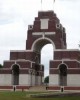
 Menin Gate Ypres
 Tyne Cot Cemetery 3
 Tyne cot Cemetery
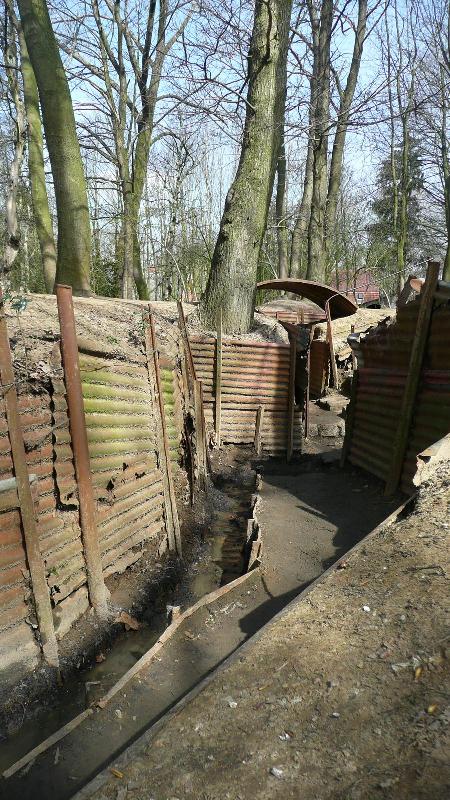
 Hill 62 trenches 2
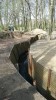 Hill 62 tranches 4
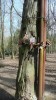 Hill 62 Memories tree !
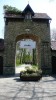 Passchendaele Memorial
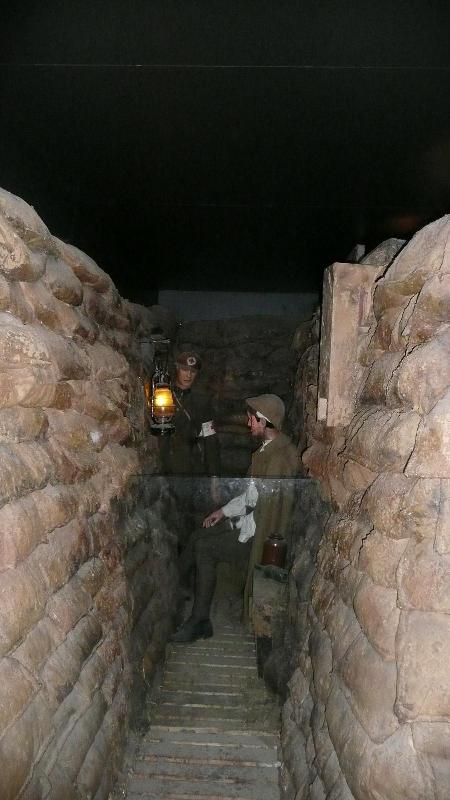
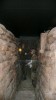 Dugout experience Passchendaele
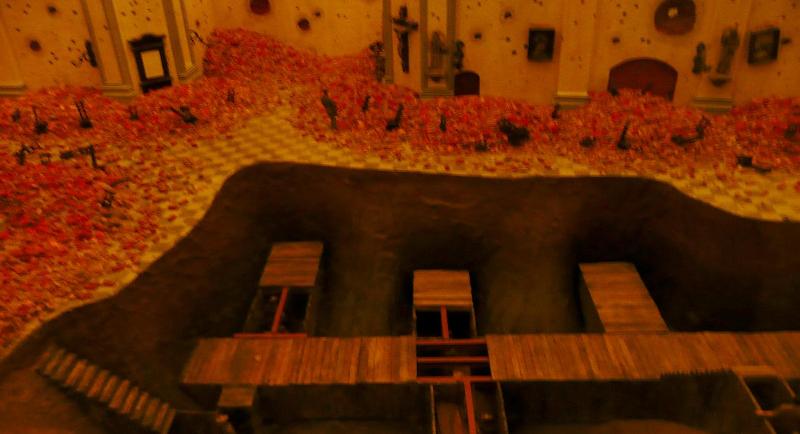
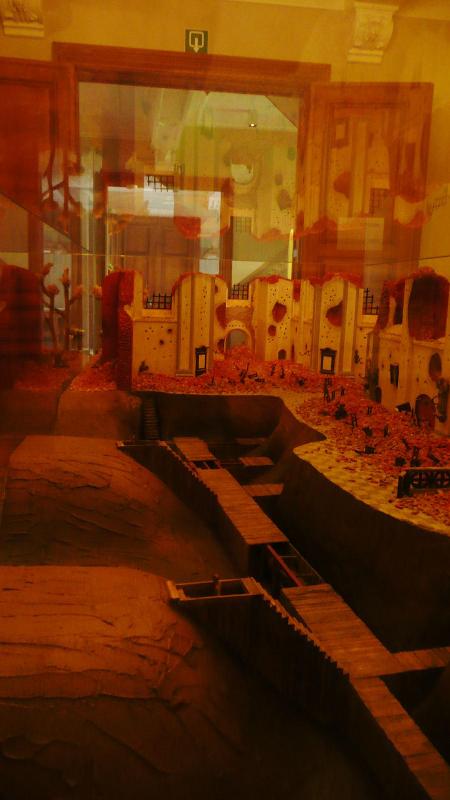
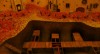 Dugout scale model Passchendaele
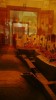 Passchendaele 1917 with Dugout tunnels
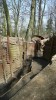 Hill 62 trenches Ypres 5
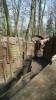 Hill 62 trenches 3
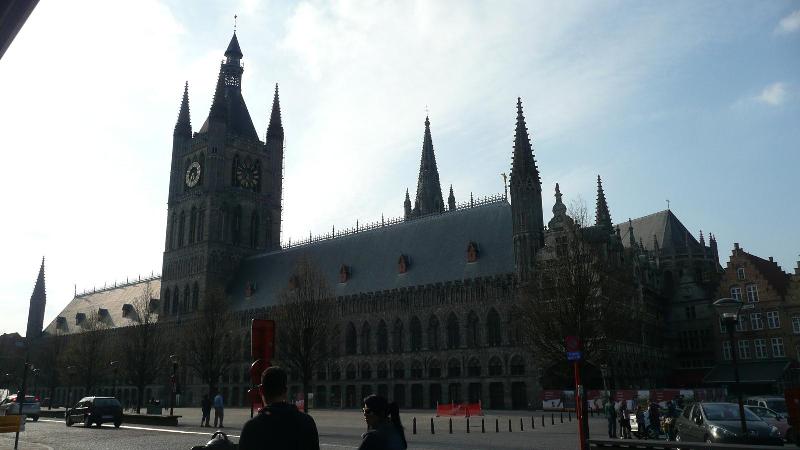
 Ypres, Guilde house
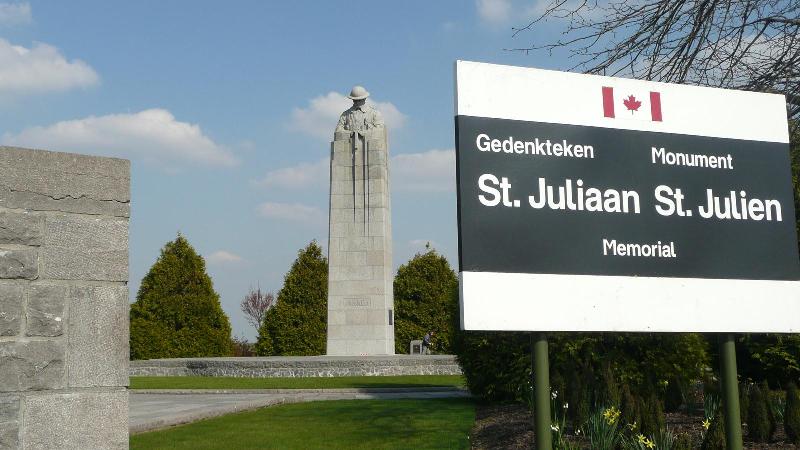
 Canadian Memorial Ypres 2
 Tyne cot Cemetery Ypres 2
 Death Trenches 3 Dixmuijde
 Death Trenches 2
 Death Tranches Dixmuijde
Latest Customer's Opinions:
An excursion is very good. Mike knows his work well. He is able to interest tourists. We visited Ypres, Veurne, Dixmuide. Most I liked Veurne. Practically all of its cultural values of this small town are located on the Town Hall square. The Town Hall square is surprisingly beautiful and impressive, also with modern cars parked on its territory, and cafйs, and we, tourists admiring its houses and churches. It's very quiet and calm in Veurne. Very interesting program of the tour. Thank you