

 French
 Spanish
 Russian
Private guides and guided tours in Bosnia & Herzegovina
Private guides in Bosnia & Herzegovina
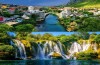
Private Guide in Mostar - Amela
(Member Since 2018) Languages: Bosnian, Croatian, English,ItalianI'm a certified/licensed tour, highly knowledgeable, experienced, dynamic and very enthusiastic about her job! I provide professional but yet custom-made private tours as well as many group tours to the visitors of my city.
Private Guide in Sarajevo - Ahmed
(Member Since 2014) Languages: English, Turkish, Bosnian, CroatianProfessional and certified tourist guide with master's degree in history, mountaineer and bicyclist. Together with us you can feel unique beauties of Sarajevo and its environment, you can visit any tourist destinations you would like to see throughout the whole Bosnia and Herzegovina.
Private Guide in Mostar - Almira
(Member Since 2010) Excursions/tous in the following cities: Mostar Languages: english, french, italian, spanish, russian, turkish, scandinavian, german, humgarianWe are from Mostar this year,like past years, gives tho the tourist market new offers and arrangements to individuals and groups. We offer you ideal combination of prices,comfortable accommodation,transport, as services of professional guides,with rich varieties of field trips.

Bosnia & Herzegovina
Language: Bosnian
Currency: Kuna (HRK)
Calling Code: +387
Guide Licensing Information
COMMENTS ABOUT Bosnia & Herzegovina:
Located in Southeastern Europe, Bosnia and Herzegovina borders the Adriatic Sea and Croatia. The country is full of extremes with mountains experiencing cool summers and very cold winters. In the valleys and coastline, vacationers enjoy mild winters and beautiful, hot summers, so dress accordingly when you plan your next trip.
For those interested in the outdoors, enjoy whitewater rafting or scale one of the nearby mountainsides. With so many rivers, valleys, and even the Adriatic Sea available, fishing is also a wonderful pastime. Or stop by the gorgeous Kravice waterfall and enjoy a romantic picnic.
For anyone interested in ancient cultures and history, there is one exciting location you cannot miss. The Bosnian Pyramid of Visocica Hill was the first to be discovered in Europe. Or visit the UNESCO World Heritage bridges of Mehmed Paša Sokolović and Old Mostar. The pristine, white archway of Old Mostar looks as though conjured from a dream.
Sarajevo, the capital, is a destination growing in popularity. The classic architecture is incredible, and markets have some of the best fresh vegetables and fruit to be found. Enjoy delicious meals at Dveri, Tavola, or one of the many restaurants in this bustling city. Hire a private guide to tour the Sarajevo Brewery or the Tunnel Museum. In the evenings, enjoy an exciting nightlife that will certainly leave you with fond memories.
Private Guide in Sarajevo - Jadranka
(Member Since 2011) Excursions/tous in the following cities: Sarajevo Languages: English, Russian, CzechI am Jadranka, an experienced licensed tour guide in Sarajevo, the city where I was born and grew up. I conduct my tours from the unique perspectives of an experienced professional guide, journalist and teacher.
Private Guide in Mostar - Tamara
(Member Since 2016) Languages: german,englishI am an experienced LICENSED TOUR GUIDE for Herzegovina region. I am also owner of the travel agency "Carlatours” located in Citluk near Mostar. At the moment we have 2 of our employees ,which are here at your service. We cover great range of services: travel guide-services ,agency staff assistance during your stay, - superb range of hotel accommodation , excellent choice of buses and mini-buses. Before I opened the travel agency I had worked as an translator for German language for tourist and local people, which gave a lot of experiences.
Popular tours in Bosnia & Herzegovina
 60 euros per group / 15 for individual
 2 hours
Guide Licensing Information for Bosnia & Herzegovina
Due to the increase in the number of tourists visiting Bosnia and Herzegovina every year, the country is experiencing a small boom in tourist related services, including guiding. It is relatively easy to find a guide in the most popular places around the county these days. However, only a small number of these guides have an actual license. Even if the guide claims to be licensed in his or her advertisements, this doesn`t necessarily mean that they possess a valid license. So when contacting a tour guide, make sure to ask them to provide a copy of their license, which they are obliged to carry all the time when conducting tours.
Guiding licenses are issued by the Ministry of Economy after passing a set of tests. Solicitors may enroll in special courses or try to pass the test if they have relevant diplomas in tourism, culture, history or arts relating to the area they look forward to servicing. The license should carry the authentic stamp of the Ministry of Economy and the entire guide's personal information. The potential guide should address local authorities of the canton he's willing to work in, since Bosnia and Herzegovina is a federation. Not carrying a license when asked by the police usually results in a substantial fine. However, due to the strong presence of shadow economy "wild" guides make up the larger part of the market, and you may even be suggested to use their services by official Info Centers, hotels and even authorities.