

 French
 Spanish
 Russian
Pavlina - Private Guide in Sofia
Member Since 2008One Day Rila Monastery Tour
Culture and History tour in Sofia
Tour Price : 110 euro Duration : 8 hours Languages: English, French
All private tour guides in Sofia will offer you a tour to the Rila monastery. And this place is really worth the trip, because it is regarded as one of the essential cultural landmarks in Bulgaria for a set of reasons. First of all, it is the largest monastery in the country, and one of the largest in the whole Balkans. It’s location on the Rila mountain, over 1km above sea level, creates a unique atmosphere and makes you think about the spiritual side of things while admiring the beauty of the surrounding nature. Besides, it is an active monastery, so you’ll have the chance to explore with the ancient Orthodox culture that carried on for over a thousand years in this place.
Founded in the 10th century, the monastery was always an important cultural centre of Bulgaria. It became even more significant during the Ottoman rule, since it was one of the few Christian sites that were left intact and active by the Muslims. For five centuries this monastery was responsible for preserving the works of medieval Bulgarian culture and artistic tradition. And even today it remains as one of the most popular tourist sites in the country.
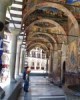
The size of the Rila monastery is impressive, while some of its architectural features make it similar to a fortified castle rather than a monastery in some places. Here you will be able to see icons and wall paintings that are several hundred years old, as well as explore the lifestyle of modern monks who are living here. This tour will help you understand the essence of Bulgaria much better and feel its spirit that carries on from the depths of the past into the future.
Additional information
| Tour information: | |
| Tour Price: 110 euro | |
| Duration: 8 hours | |
| Languages: English, French | |
| Tour package includes: | |
| Airport Transfer : | NO |
| Hotel pick-up: | YES |
| Drop-off : | YES |
| Tour Transportation (car, van, limo, boat, etc…): | NO |
| Food and Drinks : | NO |
| Other services (fees apply): | |
| Attraction tickets (concerts, theater, museum, circus...) : | NO |
| Translation services : | NO |
| Reservations (hotels, restaurants, airline) : | NO |
| Visa support : | NO |
| Additional information: | |
| This tour must be booked at least 7 days in advance of your travel date : | NO |
| Tour groups must include a minimum of 2 passengers : | NO |
| Tour prices are flexible and based on your requirements : | NO |
OFFERED TOURS:
 295 euro
 4 days