

 French
 Spanish
 Russian
Private guides and guided tours in Cambodia
Private guides in Cambodia
Private Guide in Siem Reap - Chantrea
(Member Since 2014) Excursions/tous in the following cities: Siem Reap Languages: EnglishMy name is Chantrea. I've been a tour guide since 2007 and I have a vast knowledge of the local area, the people and the history of the Angkor complex. Our expertise provides you with the opportunity to learn about our ancient heritage, the temples and so many more magical experiences and sights that Cambodia has to offer.
Private Guide in Angkor - Lisa
(Member Since 2014) Excursions/tous in the following cities: Siem Reap Languages: English, Ukrainian, RussianI am 37 years old, born and lived for 35 years in Ukraine. I was busy with human resources, marketing, events, photography and psychology, but I have truly found myself here in Cambodia. When I first saw the temples of Angkor Park as a tourist, I fell in love with them on the spot and decided to move to Siem Reap, return here as a guide.
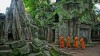
Private Guide in Siem Reap - Mean
(Member Since 2018) Languages: EnglishLadies and Gentlemen! My name is Mean Young, is a professional, English-speaking tour guide based in Siem Reap, Cambodia. I have a lot of first-hand experience showing my guests around the temples at Angkor, attractions in Siem Reap, and all over the kingdom of wonder. Working as tour guides for many years, I have welcomed hundreds of tourists to the Kingdom of Cambodia throughout our tour.

Cambodia
Language: Khmer
Currency: Riel (KHR)
Calling Code: +855
Guide Licensing Information
COMMENTS ABOUT Cambodia:
This wonderful country is officially called as the Kingdom of Cambodia. Once known as the Khmer Empire it is located in the southern part of the Indochina Peninsula. According to the statistics it is considered to be the 70th most populous country in the world. For quite a long time Cambodia served as a good addition to various tours all over Thailand and Vietnam. However, now it’s becoming an independent tourist destination. There are lots of hotels matching international quality standards, countless unique historical monuments and great possibilities for spending time at the beach. The climate on Cambodia is tropical monsoon, very hot and humid. All in all there are only two seasons that are vividly marked – hot and humid summer and dry winter. Summer begins in May and lasts till October- November. The maximum temperature reaches +42 C. As for the winter season, it begins in November and lasts approximately till April.
Angkor is one of the most popular tourist destinations in Cambodia. It is the capital of the ancient Khmer Empire and the most well known cultural historical monument of the country. There are more than one hundred unique palaces and temples that are open for visiting.
Private Guide in Siem Reap - Pok
(Member Since 2019) Languages: EnglishChum Reap Sour (Hello), I'm Pok. I am a licensed tour guide in Siem Reap region. I enthusiast cyclist, I have been leading the tour for many years ago. My passion is to share my culture, history, and Cambodia traditional to all kinds of tourists around the world.
Private Guide in Siem Reap - Ratha
(Member Since 2018) Excursions/tous in the following cities: Siem Reap Languages: EnglishHi, my name is Ratha and I'm a tour guide based in Siem Reap, Cambodia. I was actually born in Siem Reap in 1993 during the civil war. I was born in the town and most of the fighting had moved out of the town into the countryside by that time.
Popular tours in Cambodia
 $70-75
 8-9 hours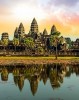
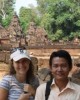
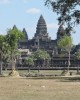
 Angkor Wat, Siem Reap, Angkor Wat
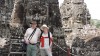 Bayon Temple, Siem Reap, Bayon Temple
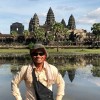 Angkor Wat, Siem Reap, Angkor Wat
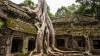 Ta Prom Temple, Siem Reap, Ta prom Temple
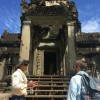 Angkor gate, Siem Reap, Angkor Wat
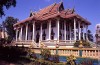 Royal Palace, Phnom Penh, Phnom Penh
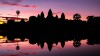 Angkor Wat sunrise, Siem Reap, Angkor Wat
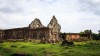 Preh Vihear Temple, Siem Reap, Preh Vihear
 With Clients, Siem Reap, Ta Prom temple (Tomb Raider)
 On a bamboo train, Siem Reap, Battambang
Guide Licensing Information for Cambodia
Cambodia has become a very popular tourist destination fairly recently. However, tourism has rapidly become the second largest industry in the country and one of the most rapidly developing branches of economy. That is why the Cambodian government is very rigorous in controlling the quality of services offered to tourists in Cambodia and no guiding activities are allowed without a valid tour guide license. The only tours possible without a license are those aimed at general interest topics such as shopping or nightlife, and which do not represent local history, culture or nature in much detail.
All licensing and legal control of tour guides is performed by the Ministry Of Tourism of Cambodia. In order to get a guide license one will have to apply for it with the ministry and show proof of knowledge in the domains of culture and history of Cambodia, as well as be skilled in at least one foreign language. The recent regional agreements between the countries of ASEAN will also make it possible to carry out tour guiding services legally in all countries in the region by obtaining only the Cambodian (or any other ASEAN country) guide license. However, at the moment the Cambodian guide license only grants the legal possibility to provide services in Cambodia and enter most historic and cultural sites pass the line.