

 French
 Spanish
 Russian
Private-Guides.com – Africa, it’s a jungle out there! Our private guides offer private tours
Top Destinations in Africa
Nairobi,
Bamako,
Cairo,
Antananarivo,
Addis Ababa,
Nouakchott,
Accra,
Ouagadougou,
Lilongwe,
Port Louis
Private Guide in Ethiopia
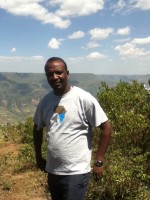
Yonas
Private Guide in Addis Ababa
I taught for seven years in different parts of the country. Then I decided to go to school to study tourism. There, I got what my real soul is and for what purpose am created for! Read more
Best Guides in Africa




Popular Tours in Africa
 Tangier sightseeing & cultural tour
Tangier, Morocco The Grand Tour to admire Abyssinia endemic birds
Addis Ababa, Ethiopia Delicious recipes
Tangier, Morocco Sahara discovery
Tunis, Tunisia 7 DaysTours Mali Express
Bamako, Mali Discover Mali 8 Days
Bamako, Mali Full-Day Private Tour: Giza Pyramids, Sphinx & Grand Egyptian Museum
Giza, Egypt DAR ES SALAAM CITY WALKING TOUR
Dar Es Salaam, Tanzania
Latest Tourist Opinion about Travel to Tunisia:

Jamel Tunis, Tunisia
Jamel did a great job. We were on a shore excursion and he gave us a tour of Sidi BOU SAID,the American war cemetery, and Carthage. He was very Well informed , knowledgeable and kind. Found us a great restaurant for lunch with great view overlooking Tunis. We were concerned about getting back to ship on time due to traffic in Tunis but he had this well in hand and we got back with plenty of time to spare. I would heartily recommend him for a tour in Tunisia.
New Guides in Africa:
New Tours in Africa:
- Culture and History tour in Addis Ababa, Ethiopia - Addis Abeba City tour
- Private tour in Giza, Egypt - Full-Day Private Tour: Giza Pyramids, Sphinx & Grand Egyptian Museum
- Culture and History tour in Tunis, Tunisia - The best of Tunisia and Algeria
- Private tour in Marrakech, Morocco - Marrakech Private Desert Tours
- Adventure tour in Cairo, Egypt - Tour in cairo night
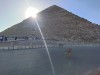 Why You Should Hire a Tour Guide in Egypt
 The Best Things To Do In Marrakech
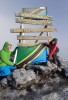 Reasons why Machame is favorite Kilimanjaro route
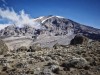 10 incredible Things You Need To Know Before You Climb Mount Kilimanjaro!
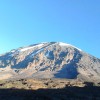 Planning to trek up Mount Kilimanjaro!! 5 Things You Must Know!
 Wasini Dhow Safari, Mombasa, Kenya, Wasini Island
 Merkato Open air market, Addis Ababa, Ethiopia, Merkato
 Tutankhamun, the famous boy king, is one of the most iconic pharaohs of ancient Egypt, known for his richly preserved treasures., Giza, Egypt, Grand Egyptian Museum.
 Tour Guide in the whole Madagascar, Antananarivo, Madagascar
 Hello there! Welcome climb Kilimanjaro with me., Moshi, Tanzania, Mt. Kilimanjaro
 Kenya Safari, Nairobi, Kenya
 At Murchison's Falls National Park Uganda, Kenya, Uganda
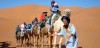 Merzouga is a small Moroccan town in the Sahara Desert, near the Algerian border. It’s known as a gateway to Erg Chebbi, a huge expanse of sand dunes, Merzouga, Morocco, erg chaabi dunes merzouga
 Zebras, Accra, Ghana, Shai Hill
 Our guest on the way north Portsudan, Portsudan, Sudan