

 French
 Spanish
 Russian
Private guides and guided tours in Croatia
Private guides in Croatia
Private Guide in Split - Ivo
(Member Since 2012) Languages: EnglishMy name is Ivo and I come from Split. I am a licenced tour guide in Croatia. I graduated from the Faculty of Tourisam and Foreign Trade in Dubrovnik. For the past ten years I have beeb working as a professional English speaking tour guide mostly for Dalmatian region and I am one of the few tour guides with a university degree in Tourisam.

Private Guide in Sibenik - Jasenka
(Member Since 2012) Languages: English, French, Italian and GermanI think that I am - a relaxed person trying to relax my guests but at the same time, due to my age I am responsible and quite well educated. I have been around, seen places and I do know the people in my region which helps me organize different visits and offer different services. I have been a guide for last 8 years and I enjoy this job because it enables me to meet different people which I adore / I have friends all over the world/.
Private Guide in Split - Maja
(Member Since 2015) Languages: English - CroatianMy name is Maja, and I am coming from Croatia. I live in Split and I am professional licensed tour guide for Split and Split-Dalmatia county. I am guiding for over 2 years, not only Split but also, Salona,Trogir and Krka National park.

Croatia
Language: Croatian
Currency: Kuna (HRK)
Calling Code: +385
Guide Licensing Information
COMMENTS ABOUT Croatia:
Croatia is a country said to be at the crossroads of Europe, centrally located between the Balkans and the Mediterranean. There are more than one thousand islands along Croatia’s Adriatic Sea Coast, offering many popular tourist destinations such as Ziatni Rat Beach on Brac Island. Visitors come to Croatia for a variety of reasons, and since the Croatia War of Independence tourism here has grown to more than ten million visitors per year. People come from nearby Austria, the Czech Republic, Germany and Slovenia to enjoy Croatia’s many seaside resorts and marinas, its medieval coastal cities, its nature preserves, mountain resorts and health spas.
Zagreb is the capital city of Croatia and its largest metropolitan area. Its historic Upper Town, Gornji Grad, is a popular area for walking tours around St. Mark’s Church. Interesting architecture that includes palaces with towers and ancient cathedrals makes the historical side of Zagreb something to explore, while its contemporary cultural entertainments offer more enjoyable attractions for visitors.
The Euphrasian Basilica in Porec is a visual feast that displays gorgeous Byzantine mosaic tile work, and the Diocletian’s Palace in Split is a wondrous architectural achievement that today houses many of the city’s shops and restaurants, even some homes. The Roman amphitheater in Pula has been standing intact since the first century and is the site of many modern festivals and concert performances in Croatia. The Cathedral of St. Marco on Korcula is another unique and beautiful building, as are many of the lovely structures in this ancient island city.
For natural scenic beauty, the island of Mljet is incomparable. Over two-thirds of this large Adriatic island is covered in lush forests interspersed with grape vineyards and containing two inland salt-water lakes. One of them, Lake Malo Jezero, has its own small island within its waters that is home to an ancient Benedictine monastery.
Nautical tourism is an important part of Croatia’s tourism industry, with hundreds of marinas along the coastline, boat tours, fishing expeditions, sailing ventures and diving trips are extremely popular activities during the summer months in Croatia.
Private Guide in Rab Island - Mirela
(Member Since 2012) Languages: English,German,CroatianMy name is Mirela, 29 years old.. I am a private independent guide in Rab and I would love to show you Rab, its surroundings and also all over Croatia. Rab and it s area has tradition of tourisam 120 years,with very long history(more than 2000 years).

Private Guide in Split - Vedran
(Member Since 2017) Excursions/tous in the following cities: Skradin, Split Languages: English, Russian, Italian, FrenchMy name is Vedran and I can show you many very interesting places in Croatia. I myself have been exploring a lot and I find it a life-style. The area I cover includes Croatia, Bosnia and Herzegovina, Montenegro, Albania, Serbia, Kosovo, Macedonia and Greece.
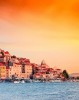
Private Guide in Sibenik - Zvonimira
(Member Since 2016) Languages: english, french, spanish, croatianMy name is Zvonimira, i live in the most beautiful town ( for me of course, but I hope you will agree with me ;) Sibenik, my hometown. I enjoy to be a tourist guide and I can say i am lucky that I love my job, but it is not the only thing I enjoy, also I like to take photos, that is my favorite hobby.

Private Guide in Split - Frane
(Member Since 2012) Excursions/tous in the following cities: Split, Hvar, Dubrovnik Languages: English - Italian - CroatianMy name is Frane, in english would be Francis or in italian Francesco. I am pleased to extend my warmest greetings to everyone attending my tours. I'm from the city of Split in the Dalmatian county in Croatia. I lived in Rome for couple of years and in the US for a year were I got my high school degree.
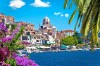
Private Guide in Sibenik - Irena
(Member Since 2013) Excursions/tous in the following cities: Sibenik Languages: english, german, croatianI'm Irena and I hope that I will be your tour guide. I speak English, German, Swiss German and Croatian of course. I am a licensed guide for Sibenik and Split areas. It means for Sibenik, Trogir and Split, and national parks Krka and Kornati.

Private Guide in Zagreb - Irena
(Member Since 2009) Excursions/tous in the following cities: Zagreb Languages: English, Spanish, HrvatskiI can organize everything for you and for your group; from airport transfer and accommodation to the special programs like visit to the village where your grandparents were born. And, off course, help you with informations and contacts before, during and after your stay in Croatia, or neighbourhood contries.

Private Guide in Dubrovnik - Ivo
(Member Since 2012) Excursions/tous in the following cities: Dubrovnik Languages: English, Espanol, Italian, CroatianI am 31 year old born and raised in Dubrovnik, Croatia. All my life i have lived in the Old Town of Dubrovnik (historical center of the city), and even today not a day goes by that i do not take a stroll through the medieval streets of Old Town having a chat with my fellow citizens (there is only 800 people living in the Old Town during the winter so the atmosphere among locals is very familiar).

Private Guide in Split - Matt
(Member Since 2007) Excursions/tous in the following cities: Split, Dubrovnik, Pula Languages: English / EspaсolI'm Matthew, and I will gladly accompany you in the most beautiful part of Croatia – Dalmatia – and its famous capital, Split. Working as a guide for over 12 years and being employed by major tour operators from the EU, US, Japan and Australia, I'm still as excited about showing people my lovely country as I was just when I started.

Private Guide in Opatija - Neven
(Member Since 2009) Excursions/tous in the following cities: Opatija Languages: English, German, Dutch, Italian, RussianHi, my name is Neven Soldatic. I've been guiding for numerous domestic and foreign travel agencies. 5 years ago I started my own independent travel agency, specialized in cultural and active travel. I called my enterprise LINEAVERDE. I specially like the private individual tours where guests allow me to present them our culture and tradition in a direct fashion.

Private Guide in Hvar - Sinisa
(Member Since 2009) Excursions/tous in the following cities: Hvar Languages: English, Italian, CroatianGreetings from Sinisa. Hvar is where I was born and brought up by my wonderful parents. I have been working in the tourism and hotel industry for more than 15 years, and I have a great amount of experience and knowledge to share with you. At a certain point of time I decided to start my own business, and this is how my travel agency appeared. It is called Secret Hvar, because I firmly believe that the island of Hvar contains millions of secrets, which we are eager to reveal for you.
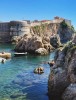
Private Guide in Dubrovnik - Stefica
(Member Since 2011) Excursions/tous in the following cities: Dubrovnik Languages: English, Spanish, Italian, CroatianI was born in Dubrovnik, where I spent most of my life. Here I graduated at Dubrovnik University (Masters in Tourism Economics at Faculty of Economics). In 2004 I attended different language, history and art courses in Florence, Italy and Oxford, United Kingdom. In 2000 I became official tourist information officer and started to work for Croatian National Tourist Board on different tourist fairs all over Europe. Since 2001 I have been working for Dubrovnik Tourist Board in Tourist Information Department, at the moment as Tourist Information Center Executive.

Private Guide in Dubrovnik - Stjepan
(Member Since 2012) Excursions/tous in the following cities: Dubrovnik Languages: English, CroatianI lived whole my life in Dubrovnik where I was born and where I finished a university. I'm among last 1000 citizens who live just inside Dubrovnik Old City center, which I see as my playground but also as my office because I always meet friends and other colleagues – tour guides when I step out from my house.
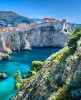
Private Guide in Dubrovnik - Vesna
(Member Since 2018) Languages: English, Spanish, FrenchOver 17 years working with the leading incoming travel agencies helped me gain a lot of experience and knowledge to start my own product. I have decided to step aside from the mass tourism and create individual, tailor-made tours as per individual wishes and desires.I am born and raised in Dubrovnik, spent my childhood playing football or hide and seek game in the streets of the Old Town, grew up with the city and there was no better place to set as my ‘'office'' than the Old Town itself.
Popular tours in Croatia
-
-
-
Culture and History tour in Split
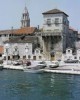 2 UNESCO towns: Split+Trogir and Salona
Tour Duration Please find the the tour prices in the last paragraph below the tour description
 5 to 6 hours
 -
Culture and History tour in Dubrovnik
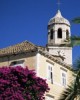 Dubrovnik + town panorama + Cavtat town
Tour DurationPlease find the the tour prices in the last paragraph below the tour description5 hours -
Culture and History tour in Dubrovnik
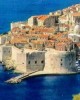 Dubrovnik + town panorama + Ston
Tour DurationPlease find the the tour prices in the last paragraph below the tour description5 to 6 hours -
Walking tour in Dubrovnik
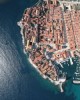 Dubrovnik UNESCO City Walls Exploration
Tour Duration79,00 Eur (total for the whole group) + 10 eur for City Walls tickets/per person2.5 hours -
Walking tour in Dubrovnik
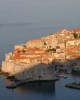 Dubrovnik UNESCO Historical Walk
Tour Duration79,00 Eur (total for the whole group) + 10 eur for tickets/per person2.5 hours -
Culture and History tour in Dubrovnik
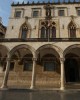 Dubrovnik+ town panorama+ Botanical garden Trsteno
Tour DurationPlease find the the tour prices in the last paragraph below the tour description4 to 5 hrs -
Culture and History tour in Dubrovnik
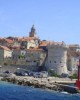 Island Korcula and town Ston (from Dubrovnik)
Tour DurationPlease find the the tour prices in the last paragraph below the tour description8 hours -
Culture and History tour in Pula
 Istria – Croatian Tuscany (towns Pula, Rovinj and the interior)
Tour DurationPlease find the tour prices in the last paragraphs below the tour description5 or 7,5 hours -
Culture and History tour in Dubrovnik
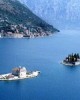 Montenegro tour (Kotor, Perast and Budva)
Tour DurationPlease find the the tour prices in the last paragraph below the tour description7-8 hours -
Private tour in Split
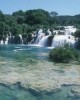 National park Krka waterfalls
Tour DurationPlease find the the tour prices in the last paragraph below the tour description5 - 6 hours -
Culture and History tour in Split
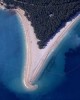 The White House stone Island - Brac
Tour DurationPlease find the the tour prices in the last paragraph below the tour description6-7 hrs (including ferries from and to Split ) / 5 hrs if you are based on Brac -
Culture and History tour in Split
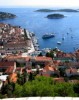 UNESCO Island Hvar
Tour DurationPlease find the the tour prices in the last paragraph below the tour description10-11 hrs (including ferries from and to Split ); 5-6 hrs if we meet on Hvar -
Sightseeing Nature tour in Split
 UNESCO National park Plitvice Waterfalls
Tour DurationPlease find the the tour prices in the last paragraph below the tour description10-11 hours -
Culture and History tour in Split
 UNESCO town Dubrovnik, from Split
Tour DurationPlease find the the tour prices in the last paragraph below the tour description12 hours
-
-
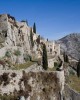
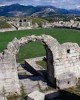
 Salona, Split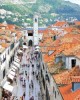
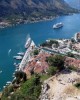

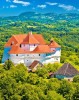
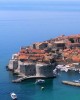
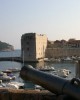
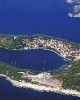




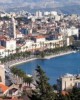
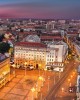
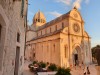 on the streets of the city, Sibenik, on the streets of the city
 on the streets of the city, Sibenik, on the streets of the city
 on the streets of the city, Sibenik, on the streets of the city
 on the streets of the city, Sibenik, on the streets of the city
 on the streets of the city, Sibenik, on the streets of the city
 on the streets of the city, Sibenik, on the streets of the city
 on the streets of the city, Sibenik, on the streets of the city
 on the streets of the city, Sibenik, on the streets of the city
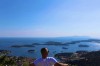 Hvar island tour, Hvar
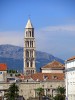
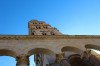 St. Domnius Cathedral, Split
Guide Licensing Information for Croatia
Croatia boasts a very large number of excellent destination for guided tours spread all over the country. While most travelers tend to focus their interest on the Adriatic coastline with its numerous medieval towns, the inner parts of Croatia are also worth visiting due to the natural variety presented in several large national parks. That's exactly why guided tours are a rather common practice in this country and there are many offers on the market.
All guides that render guiding services that are aimed at highlighting the local culture, history or heritage in designated tourist locations are required to carry a valid tour guide license. In order to get such a license one has to prove his or her expertise in the domain of tourism by passing the general guiding exam with the Ministry of Tourism and the local exam in the area of interest, which verifies adequate and sufficient knowledge of local history, culture, economics and traditions. However, if the guide offers services that aren't directly connected to designated tourist sites and don't emphasize the history and culture of Croatia, such as hiking, shopping or nightlife tours, then a license isn't required.