


 French
 Spanish
 Russian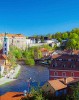
Karolina - Private Guide in Cesky Krumlov
Member Since 2006Cesky Krumlov Old Town Tour
Private tour in Cesky Krumlov
Tour Price : Price per a private group up to 10 people: US $ 50 Languages:
Cesky Krumlov is a UNESCO listed site? Gothic and Renaissance houses preserved their original look? Why this town was abandoned during the communist regime?.
Take this guided tour and I'll lead you through the labyrinth of cobbled medieval streets and tell you not only the history and legends of the old times.
This tour takes two hours and includes visits to the Old Town, Castle gardens and courtyards. 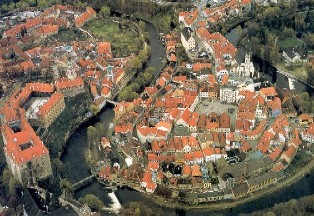
The Cesky Krumlov Region is one of the largest areas in Middle Europe still remaining untouched by civilisation in the negative sense. The Novohradske Mountains and Sumava are a part of the "Green Roof of Europe", which means they are areas of outstanding natural value. The natural beauty of this region forms its basic attraction for many tourists and visitors.
The flow of the Vltava River has long been a natural transportation entrance to this region. The area's oldest settlement goes back to the Older Stone Age (70,000 – 50,000 B.C.). Mass settlement was noted in the Bronze Age (1,500 B.C.), Celtic settlements in the Younger Iron Age (approx. 400 B.C.) and Slavonic settlement has been dated as from the 6th century A.D. The Slavs were represented by two tribes – Boletice and Doudleby.
Since the mid 1960's, special care has been devoted to the preservation of the historical merits of Cesky Krumlov; the town was included in 1992 onto UNESCO's List of World Cultural and Natural Heritage.
Additional information
| Tour information: | |
| Tour Price: Price per a private group up to 10 people: US $ 50 | |
| Tour package includes: | |
| Airport Transfer : | NO |
| Hotel pick-up: | NO |
| Drop-off : | NO |
| Tour Transportation (car, van, limo, boat, etc…): | NO |
| Food and Drinks : | NO |
| Other services (fees apply): | |
| Attraction tickets (concerts, theater, museum, circus...) : | NO |
| Translation services : | NO |
| Reservations (hotels, restaurants, airline) : | NO |
| Visa support : | NO |
| Additional information: | |
| This tour must be booked at least 7 days in advance of your travel date : | NO |
| Tour groups must include a minimum of 2 passengers : | NO |
| Tour prices are flexible and based on your requirements : | NO |