
 French
 Spanish
 Russian
Private guides and guided tours in England
Private guides in England

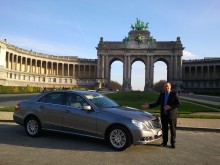
Private Guide in London - Adrian
(Member Since 2015) Languages: EnglishI am qualified to guide in all the major must-see London attractions such as Westminster Abbey, St Paul's Cathedral, Tower of London, National Gallery and the British Museum.
Private Guide in Exeter - Alex
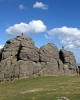
(Member Since 2013) Languages: EnglishHello, and welcome to Devon. My name is Alex and I can organise wonderful days out for you in this most beautiful and intriguing area of England. I have lived in Devon all my life, and am very passionate about sharing what it has to offer. I have spent a vast amount of time getting to know the area in order to be able to show my guests the very best that it has to offer. I have built excellent links with many attractions and businesses in the area with whom I can work to provide you with exclusive and fascinating experiences.

Private Guide in London - Antonio
(Member Since 2011) Excursions/tous in the following cities: London Languages: English, Spanish, PortugueseHello there! I have been living in London for 40 years now, and I have to confess that I adore this city! Back in 2005 I started exploring different paths used for walking along the wandering streets of London, and this way I learned a lot about geography and history of sublime London. Since that time I started working as a private guide so I could share this experience and passion with tourists and friends from all over the world.

England
Language: English
Currency: British pound (GBP)
Calling Code: +44
Guide Licensing Information
COMMENTS ABOUT England:
England is part of the United Kingdom, along with Scotland and Wales, and is located on an island off the mainland coasts of western Europe. England is closely connected by narrow stretches of water from both Ireland and France, separated by the Irish Sea from Island and by the English Channel from France. It is a country with a rich cultural heritage and historical influences that have reached around the globe. As a travel destination it is also a country that offers its visitors a wide range of attractions that include many important historic sites, as well as a vast array of modern entertainments that include a popular nightlife, modern art galleries, theater and opera, high fashion shopping, and fine dining.
London is the capital of England and is one of the most popular tourist destinations in the world. Buckingham Palace and the Tower of London have been attracting visitors for centuries, as have the Kew Gardens, Westminster Abbey, St. Paul’s Cathedral, Trafalgar Square and the London Bridge, all UNESCO World Heritage Sites. London is also home to some of the world’s most famous museums and exhibits, such as the British Museum which houses the Rosetta Stone, the Tate Modern museum of contemporary art and sculpture, the National Gallery and the National History Museum. The London Eye is a modern attraction beside the Thames that offers a fantastic panoramic view of the city from the top of a massive ferris wheel.
England also welcomes visitors to its beaches and seaside resorts in Devon and Cornwall, as well as Blackpool, Fistral Beach, and along the Jurassic Coast. Popular amusement parks in England include Legoland in Windsor, and Pleasure Beach in Blackpool.
Prehistoric sites in England include Stonehenge and other stone circles, King Arthur’s Hall and the great tomb at Porth Hellick Down. The town of Thatcham in Berkshire is the oldest inhabited settlement in England, with a school building that was built in 1304 and the Abbey of Reading founded by King Henry I in 1121. There are many ancient, historical landmarks throughout England that make interesting places to visit.
Private Guide in Liverpool - Neil
(Member Since 2017) Languages: englishYou can not be a Liverpool Tour Guide without loving the Beatles and realising how much of a tourism magnet their legacy is. I was born in the South of Liverpool "the posh part" John Lennon was brought up there too, close to Penny Lane and I love explaining the story of the time the Beatles spend in Liverpool as boys and how and why they became famous.

Private Guide in London - Robina
(Member Since 2004) Excursions/tous in the following cities: London Languages: English, ItalianHello there, dear friends! My name is Robina, and I work as a professional private guide in London. It is worth noting that I am a high qualified Blue Badge guide, which means that I am a member of an English guide association. I offer a wide range of tours, walks, sightseeing and museum visits.
Private Guide in Kenterberi - Leonardo
(Member Since 2016) Languages: English, Spanish, Italian, German, FrenchI am passionate social entrepreneur and marketer with a solid background in online marketing and business development. At an early age I had the fortune to go on a month-long trip in Brazil, where I immersed myself in various tropical landscapes, Rio's inner local lifestyle, and got to know the poorest people living in the favelas, which triggered a passion for learning and discovering what the world has to offer.
Popular tours in England
 700-865 GBP
 9-10 hours
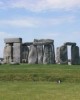
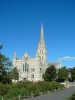 Salisbury Cathedral, the tallest spire in the country, London, Salisbury
 Basildon Park was used for the interior filming of Grantham, Oxford, Basildon Park, Downton Abbey
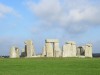 Stonehenge in sunshine, Stonehenge, Stonehenge
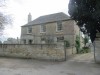 The house in Downton village where Matthew and his mother, Isobel, lived, London, Crawley's house in Downton Abbey
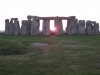 Stonehenge at sunset in December, London, Stonehenge
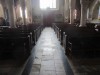 Where Lady Mary married Matthew Crawley, London, Interior of Downton Abbey church
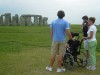 Stonehenge with a client who uses a wheelchair, London, Stonehenge
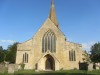 The church where Lady Mary married Matthew Crawley, London, Downton Abbey village church
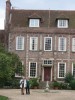 Byfleet Manor, the home of the Dowager Countess of Grantham, Violet, London, Byfleet Manor, Downton Abbey
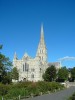 Salisbury Cathedral, the tallest spire in the country, Stonehenge, Salisbury Cathedral
Guide Licensing Information for England
Tourism is one of the main industries in England, so why no wonder the government imposes certain rules over guiding. If you happen to visit Great Britain care to hire only the guide who has the Blue badge. It will guarantee you that you are hiring a professional of the highest class.
The Blue Badge is awarded by the Institute of Tourists Guiding and is considered to be the highest guiding qualification in Britain. All the to-be-guides have to go through a detailed and comprehensive training and afterwards pass rigorous examinations. Once the examination is passed the guide has to register his/her achievement and from now on he is considered to be a qualified professional. If you are planning to Explore England why not hire a professional knowledgeable guide?
It is worth noting that licensed guides offer various walking tours, themed tours, coach sight-seeing, exploring galleries and museums, tours by private cars, conferences and incentives and so on. Such tours are equally interesting for sole travelers or couples, families of groups. In case you don't speak some particular language you will be provided with a professional interpreter.