

 French
 Spanish
 Russian
Private guides and guided tours in Georgia
Private guides in Georgia

Private Guide in Tbilisi - Devi
(Member Since 2014) Languages: german, english, georgian, chechen, indonesian, french, sundanese, russianOffering individualised tours through 'tourist free' areas in Georgia. Tours range from a focus on photography, horse riding and hiking. Because of my knowledge of the Khevsureti, Pshavi, Tusheti and Shiraki area like no other, you get the chance to get in touch with locals and their hospitality.

Private Guide in Tbilisi - Giorgi
(Member Since 2011) Languages: Georgian, Russian, EnglishMy skills cover: Sales, marketing, contracting, new services and business development. Negotiation, fundraising, institution-building, initiating and creating new processes to enhance cooperation and partnership. Consulting, training, auditing, developing human resources and competency management.

Private Guide in Tbilisi - Koba
(Member Since 2012) Excursions/tous in the following cities: Tbilisi Languages: English, RussianHello my dears! I`m Koba Jakob Maisuradze, living in Tbilisi and working as a Private-Guide for Trip Master. Before this job I worked as a military Translator/Interpreter for various NATO projects, for more than six years. Time to time on weekends i would give them free tours around Georgia, providing transportation and guiding.

Georgia
Language: Georgian
Currency: Lari (GEL)
Calling Code: +995
COMMENTS ABOUT Georgia:
Georgia is a small, mountainous country located where the two continents connect at the crossroads of eastern Europe and western Asia. It has coastlines on the Baltic Sea, and shares borders with Russia, Turkey, Armenia and Azerbaijan. Georgia is also in a spot where climate conditions can be extremely diverse, ranging from humid subtropical in one part of the small country to dry and continental on the other side of the mountains.
Georgia has a culture rich in folklore, religion and music. The Georgian Orthodox Church has been the country’s main church since around the 6th century. The Anchiskhati Basilicia in the capital city of Tbilisi is the country’s oldest existing church and a popular attraction for visitors to Georgia, and two other churches in Tbilisi are also important religious and historical landmarks, the Sameba and the Sioni Cathedrals. The Tbilisi Opera and Ballet provides marvelous musical concerts that feature everything from the country’s ancient polyphony form of folk music to classical symphony.
The capital city of Georgia has other interesting attractions for visitors, such as the St. George Monument in Freedom Square. Tibilisi is also steeped in sports venues, and visitors can always catch a polo match, or wrestling, volleyball, boxing, football or swimming events.
Winemaking is an ancient tradition in Georgia, and archaeological discoveries indicate that the oldest remains (6000 BC) related to winemaking have been found in this country. In fact, the word “wine” is supposed to be derived from the Georgian word, “g’vino.” Tsinandali white wine from the Kakheti region is the most well-known Georgian wine, and the celebration of winemaking in this country includes the harvest holiday of Rtveli.
There are many nature parks in Georgia, making ecotourism an important attraction for outdoor enthusiasts. Wildlife tours are popular here because of the vast diversity of animals and birds that live in this small country. The country is also known for its cave systems, with the world’s deepest cave- Krubera Cave- located in the Gagra Mountain range in Abkhazia. Fishing, boating and other water sports are undertaken in the country’s two largest rivers, the Mtkvari and the Rioni, and along the Baltic coast.

Private Guide in Tbilisi - Levan
(Member Since 2015) Excursions/tous in the following cities: Sighnaghi, Kakheti Languages: German Russian English GeorgianHello, Dear Guests. My name is Levan and I live in Tbilisi. My hobbies are history and geography. I have studied in the United States and in Russia. I have Bachelor degree in German Philology, which I have received at the Saint-Petersburg State University.

Private Guide in Tbilisi - Natia
(Member Since 2011) Languages: English, RussianI am Natia the professional tour guide in Georgia who is very passionate about her job. My tours are for those who'd like to visit this quite extraordinary country , the land of legends, knights, singers and lovers.
Travel Agency in Tbilisi - Niko
(Member Since 2009) Excursions/tous in the following cities: Tbilisi Languages: English, German, Russian, GeorgianIncoming tour operator in Georgia, Armenia, AzerbaijanAll Travel services in Caucasus Region: excursions, sightseeing, tours, skiing and outdoor adventure vacations. Travellers to Caucasus Countries will enjoy...

Private Guide in Tbilisi - Nina
(Member Since 2013) Languages: English, Russian, GeorgianHello Everybody, I am professional certified and licensed tour guide in Georgia. My profession is tourism management and besides university degrees I have always tried to gain practical knowledge and additional know-how in tourism industry.

Private Guide in Tbilisi - Sophia
(Member Since 2018) Languages: EnglishMy greatest dream, from my childhood, was to travel a lot and meet new people. I'm very happy, to had an opportunity, to get Bachelor's degree in Tourism Management, with honor. Also, had a chance, to develop my knowledge in guiding, attending a course in Guides Association of Georgia and World Federation of Tourist Guide Associations (WFTGA).
Private Guide in Tbilisi - Zaza
(Member Since 2012) Languages: English, German, Luthuanian, Russian, GeorgianGood day everybody from licensed tour-guide. I am authorized guide the tours in Georgia Tbilisi, this is my full time job. experienced driver as well. I am ready to share my knowledge about my country and to the city with everyone who comes here. I'm working as a tour-leader for last 2 year.
Popular tours in Georgia
 €40-70
 10 hours
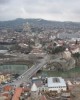
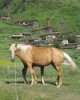
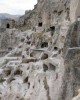
 Wild nature of Khevsureti, Khevsureti
 Off-road in "green variety", Tusheti
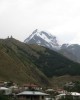
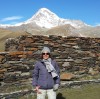 Miracle Kazbegi, Kazbegi
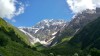 Incredible Svaneti, Svaneti
 Fascinating view of cave monastery Vardzia from above, Akhaltsikhe
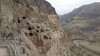 12th century inside the cave, Akhaltsikhe
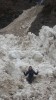 Inside a snow-slide, Kazbegi
 5047 m. facing us, Kazbegi
 At supernatural creature of Gveleti waterfall, Kazbegi
 14th century on 2200 m. high from sea level, Kazbegi