

 French
 Spanish
 Russian
Private guides and guided tours in Maldives
Private guides in Maldives
Private Guide in Male - Mikel
(Member Since 2013) Languages: EnglishVisiting the Maldives can be a wonderful change of pace and isn't limited to a 3-hour cruise, unless that is what you want. With a private guide in the Maldives, you can take 2-hour, 6-hour, and even up to 6-day tours with a friendly guide to lead the way.
Travel Agency in Male - Chaminda
(Member Since 2010) Excursions/tous in the following cities: Male Languages: English, French, Russian, Chinese, German, ItalianThrough LUXE ASIA discover the idyllic Maldives for Honeymoons, Family holidays or to just relax at a beautiful resort while enjoying its many facilities. These include world class Spas, water sports, Diving and snorkelling, sunset cruises, scenic flights etc..
Travel Agency in Male - Mohamed
(Member Since 2019) Languages: EnglishI am a self-starter with strong interpersonal skills. I work efficiently both as an individual contributor as well as along with a team. I seek new challenges and try to think out-of-the-box while looking for creative solutions to a given problem. Besides the details given in my resume, I believe in character, values, vision, and action. I am a quick learner and believe in learning from my mistakes for I strongly feel that this virtue will take me ahead in life and career.i Worked in hospitality industry for 10 years, i worked in different hotel including world wide brands like Hyatt and always exited to meet customers. i love to chat and guide tourists. i can arrange every services needed from Maldives to our tourists. i am also interested to work with other partners.

Maldives
Language: English
Currency: Rufiyaa (MVR)
Calling Code: +960
CAPITAL CITY OF Maldives: Male
LANGUAGE OF Maldives: English
CURRENCY OF Maldives: Rufiyaa (MVR)
COMMENTS ABOUT Maldives:
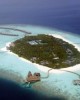
The Maldives are an archipelago of 1,190 coral islands grouped into 26 coral atolls (200 inhabited islands, plus 80 islands with tourist resorts) in the Indian Ocean.
Cities : Male (capital), Gan
Best Places : Mirihi
Electricity : 220V/50Hz (European or British plugs)
Calling Code : +960
Time Zone : UTC+5
The Maldives were long a sultanate, first under Dutch and then under British protection. They became a republic in 1968, three years after independence. Since 1978, President Maumoon Abdul GAYOOM - currently in his sixth term in office - has dominated the island's political scene. Following riots in the capital Male in August 2004, the president and his government have pledged to embark upon democratic reforms, including a more representative political system and expanded political freedoms. Tourism and fishing are being developed on the archipelago.
CLIMATE OF Maldives: tropical; hot, humid; dry, northeast monsoon (November to March); rainy, southwest monsoon (June to August)
RELIGION OF Maldives: Sunni Muslim
POPULATION OF Maldives: 339,330 (July 2004 est.)>>
ECONOMY OVERVIEW OF Maldives: Tourism, Maldives' largest industry, accounts for 20% of GDP and more than 60% of the Maldives' foreign exchange receipts. Over 90% of government tax revenue comes from import duties and tourism-related taxes. Fishing is a second leading sector. The Maldivian Government began an economic reform program in 1989 initially by lifting import quotas and opening some exports to the private sector. Subsequently, it has liberalized regulations to allow more foreign investment. Agriculture and manufacturing continue to play a lesser role in the economy, constrained by the limited availability of cultivable land and the shortage of domestic labor. Most staple foods must be imported. Industry, which consists mainly of garment production, boat building, and handicrafts, accounts for about 18% of GDP. Maldivian authorities worry about the impact of erosion and possible global warming on their low-lying country; 80% of the area is one meter or less above sea level.
 on request
 7 to 14 nights