

 French
 Spanish
 Russian
Private guides and guided tours in Moldova
Private guides in Moldova

Private Guide in Chisinau - Irina
(Member Since 2014) Excursions/tous in the following cities: Orhei, Chisinau Languages: English, Russian,In 6 years of work as the guide I served many tourists from the different countries: Moldova, Ukraine, Russia, Kazakhstan, Armenia, USA, Great Britain, Norway, Sweden. Most often it were guests of our country who come to the acquaintances, the family or on any seminars. But each of these tourists remained is happy and received the mass of impressions about small Moldova.
Private Guide in Chisinau - Natalia
(Member Since 2008) Excursions/tous in the following cities: Chisinau, Soroca Languages: English, Russian, Romanian, TurkishHello, dear friends! I work as a private guide in Moldova. It is worth noting that I have great communicational and team work skills. Moreover, I have high proficiency in English, so we won't have any break downs in communication. I am always open to dealing with challenges. I can say that I have a very optimistic outlook and open mind.

Private Guide in Chisinau - Nicolai
(Member Since 2017) Excursions/tous in the following cities: Chisinau, Ialoveni Languages: Romania, Russian, EnglishWe can, together, walk the old Chisinau-the capital of Moldova! Or driving a car around the city. You will sea museums, gardens, parks, lakes. A lot of interesting building from the center located.

Moldova
Language: Romanian
Currency: Moldovan leu (MDL)
Calling Code: +373
Guide Licensing Information
COMMENTS ABOUT Moldova:
The Republic of Moldova is an eastern European country located between the Ukraine and Romania. Although separated from the Black Sea by a brief stretch of Ukrainian land, Moldova’s weather still benefits from its proximity to the sea with mild, sunny weather.
Moldova’s gently rolling hills create a picturesque landscape of woodlands, villages and vineyards, as well as several nature reserves, all of which are marvelous for either bicycling, hiking or horseback riding. Outdoor enthusiasts will also enjoy kayaking along the Nistru River; the bravest nature-lovers may participate in skydiving from the Vadul lui Voda airport or caving in places like the Cave of Surprises and the Emil Racovita Cave.
Caves are integral to Moldovan history, and one of the country’s most well-known sights is the Cave Monastery of Orheiul Vechi. The Capriana Monastery is another prominent landmark.
Moldova is also very well known for its excellent wines. According to the Guinness Book of World Records, the largest wine collection in the world is located at Milestii Mici where 125 miles of underground wine cellars can be toured by wine loving visitors to Moldova. The second largest wine cellar in Moldova is Cricova, whle Purcari is one of the oldest wineries and another fascinating place to visit.
Chisinau, Moldova’s capital city, also has some great museums, including the Museum of Natural History and the National Museum of Fine Arts.
Popular tours in Moldova
 25 euro
 3 hours
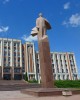
 Cricova, Tiraspol, Chisinau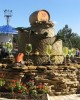

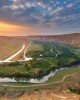

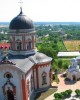
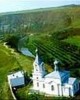
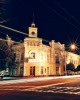
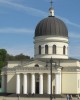
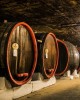
 wine day 3, Chisinau
 wine day 2, Chisinau
 wine day 1, Chisinau
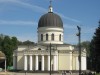 Central Cathedral, Chisinau, Central Cathedral
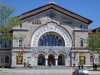 Railway station, Chisinau, Railway station
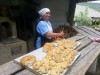 Master class - baking pies and braided bread (Easter Dove), Chisinau
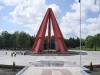 Eternity, Chisinau, Eternity
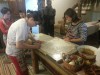 master class, Chisinau, Butuceni
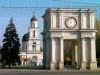 Arch of Triumf, Chisinau, Arch of Triumf
 Traditional food, Chisinau, Chisinau
Guide Licensing Information for Moldova
Moldova is a rather small but very scenic country located in Eastern Europe, offering a large number of natural and cultural attractions to offer for those few tourists who actually visit the country. The tourism industry is poorly developed in this post-Soviet country, and while there are official regulations concerning guiding activities, a large number of wild guides can be found both online and through official travel agencies. But this shouldn't be a cause for concern, since there are a lot of guides with professional education in tourism serving this industry.
The guide's license can be obtained from the Ministry of Culture and Tourism of Moldova after passing the respective state exam. At least basic knowledge of tourism principles is required. Guiding courses are rather scarce and they are very unlikely to be authorized officially. That is why there are a lot of active guides who offer their services via the web. However, in order to gain entrance to some of the national museums and attractions one should still provide a valid guiding license.