

 French
 Spanish
 Russian
Private guides and guided tours in Mongolia
Private guides in Mongolia

Private Guide in Ulaanbaatar - Anar
(Member Since 2008) Excursions/tous in the following cities: Ulaanbaatar Languages: Spanish, Russian, German, English, TurkishMy name is Anar, i'm a guide.I was born in Ulaan baatar. Lived in Germany(Berlin) studied there in a secondary school and came here and graduated russian secondary school. Now i study spanish in the National...
Private Guide in Ulaanbaatar - Byambadorj
(Member Since 2006) Excursions/tous in the following cities: UlaanbaatarProfessional tour guide service in Mongolia. I have a network of professional tour guides, drivers, and local outfitters.
Private Guide in Ulaanbaatar - Chinzorig
(Member Since 2008) Excursions/tous in the following cities: Ulaanbaatar Languages: English, RussianMy name is Chinzorig, I have been working as a free lance guide fixer for several years here in Mongolia. Can also be your guide, driver and cook. There are many places here in Mongolia to see I have lead many trips to Gobi desert, Hubsgul, Arkhangai, Kharkhorum. I have most of the camping gears for up to 10 people which include's tent's matt's sleeping bags etc.

Mongolia
Language: Khalkha Mongol
Currency: Togrog/Tugrik (MNT)
Calling Code: +976
COMMENTS ABOUT Mongolia:
Tourism in Mongolia is limited by the Communist Government, but ever since the Democratic Revolution in 1990 it has been expanding to a great extent. That’s why Mongolia appears to be a relatively unexplored tourist destination. This attractive country is considered to be a luring mixture of scenic natural features, nomadic life style, a wide variety of untouched landscapes and culture. For quite a long time there has been no tourism industry in Mongolia, but nowadays it boasts 403 travel companies, 327 resorts and tourist camps, 320 hotels.
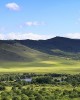
It is worth noting that in contrast to other Asian countries Mongolia has one of the world’s lowest population densities in the world. This country is perfect for adventurous people seeking for new things to experience. Here you will get a unique opportunity to explore the vast Molgolian-Manchurian grassland, numerous rivers, mountains, lakes and the desert. Due to the abundance of natural places of interest Mongolia is especially favoured by backpackers.
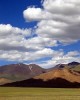
The climate in Mongolia is continental, characterized by frosty winters and dry summers. Mongolia is often called the “country of the blue sky”, seeing as there are more than 260 sunny days per year.
Private Guide in Ulaanbaatar - Cristo
(Member Since 2008) Languages: Spanish, English, Russian, MongolianI first came to Mongolia from Moscow, Russia in the Spring of 1984. Mr. Gomez definite returned to Mongolia in 1991,and began to organize tours as a travel guide in Mongolia. He found it to be one of the most...
Private Guide in Ulaanbaatar - Dulguun
(Member Since 2018) Languages: EnglishI'm a full-time private guide in Ulaanbaatar, Mongolia, mainly working with both big and small private groups. I ran my own tour operating company with 2 types of vans. At my company I am also a guide to make sure my guests are satisfied.
Private Guide in Ulaanbaatar - Punsaa
(Member Since 2005) Excursions/tous in the following cities: Ulaanbaatar Languages: English, Russian, German, KoreanWelcome to the country of blue sky - Mongolia! I work as a private guide for three years. I like working as the guide and showing the most scenic places of my country! I can arrange tour and accomodation within Mongolia for individuals and also for groups.
Travel Agency in Ulaanbaatar - Zoljargal
(Member Since 2009) Excursions/tous in the following cities: Ulaanbaatar Languages: English, Russian, KoreanDear buddiesWe are happy to offer fresh and unique tours to our travelers. Each tour has its own specialties and advantages that none other has. Also our company is able to plan and design tailor made tours...
Popular tours in Mongolia
-
-
-
Trekking tour in Ulaanbaatar
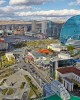 Mongolia Off-road Adventure and TrekkingTour Duration
 21 days/20 nights.
 -
Expedition in Ulaanbaatar
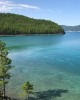 Mongolian Overland ExpeditionTour Duration15 days/14 nights.
-
 4000$
4000$