

 French
 Spanish
 Russian
Private guides and guided tours in Nepal
Private guides in Nepal
Private Guide in Kathmandu - Deepak
(Member Since 2015) Excursions/tous in the following cities: Kathmandu Languages: englishDear All Guest, Welcome and Warm Greetings from Tour/Trek Guide and trip ornagizer Himalayan Country of Nepal.
Private Guide in Kathmandu - Kumar
(Member Since 2008) Languages: English, Spanish, Italian, DutchHi I am Kumar from Ancient city of Nepal, Bhaktapur. I am a professional trekking, adventure tour guide. I have been in this field since young at the age of twelve. I can show you the beauty and tranquility of...
Private Guide in Kathmandu - Sherpa
(Member Since 2010) Excursions/tous in the following cities: Kathmandu Languages: EnglishEverest Base Camp Royal Chitwan National Park Bird watching We are a privately owned family business. It is a Government Registered Company and its involvement with the tourist industry of Nepal has...

Nepal
Language: Nepali
Currency: Nepalese rupee (NPR)
Calling Code: +977
COMMENTS ABOUT Nepal:
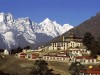
Nepal is found between the steamy jungles of the Indian plains and the high wall of Himalaya. It is considered to be the land of yaks and yetis, snow peaks and Sherpas, mantras and monasteries.
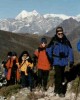
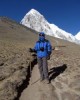
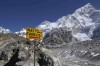
For quite a long time Nepal has been closed for travelers from other countries, but ever since it opened its borders in the 50s this little country has become extremely attractive for tourists. It seems like there’s some mystical and irresistible allure that brings thousands of tourists to Nepal. Lots of trekkers are attracted by the most accessible and at the same time iconic hiking at Himalaya. There’s no other country where you can trek for numerous days or even weeks and never get tired of the breath-taking mountain scenery. It is truly a mecca for mountain lovers.
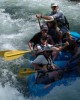
Other tourists are attracted by the adrenaline rush of exciting rafting down a wild roaring Nepali river. Nepal is a perfect place for having a truly active vacation. Once you come to Nepal you will have the following options at your disposal - kayaking, climbing, canyoning, paragliding and mountain biking.
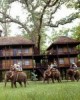
If you would like to explore this wonderful country at a gentler pace you should consider visiting Nepal’s wooly and wild national parks and watch wild animals in their natural environment.
Private Guide in Kathmandu - Summit
(Member Since 2005) Excursions/tous in the following cities: KathmanduPlease read about our programme of Himalayan, African, and Aconcagua Climbing and Trekking WELCOME TO OUR TREKS AND EXPEDITIONS: Our trips to Kilimanjaro and Mount Kenya and Aconcagua leave in a few weeks. We have just returned from successful treks and expeditions to Ama Dablam, Cho-Oyu, Mustagata, Everest, and Pumori.
 $840
$840 10 days