


 French
 Spanish
 Russian
Private guides and guided tours in Philippines
Private guides in Philippines
Private Guide in Bohol - Joselino
(Member Since 2013) Languages: EnglishIt is always a surprise how much history and beauty one region can possess, especially Bohol and the islands of the Philippines. Deciding which of the many things you can fit into the limited time in your vacation can be difficult. That is where hiring a private tour guide can certainly come in handy.

Private Guide in Manila - Ian
(Member Since 2014) Languages: English, FilipinoI love people who want to see and experience not just be in the Philippines. Let me know what you want (beach, trek, dive, camp, surf, waterfalls, rivers or even be with aborigines) and i'll tell you the best spot to go. Any budget works, i'll tell you what options your budget fits in (exactly as it is charged by the service provider; I'll earn through a professional fee per day which we will talk about).

Private Guide in Manila - Ibrahim
(Member Since 2010) Excursions/tous in the following cities: Manila Languages: English, German, French, SpanishI enjoy being independent and doing private guiding with all kinds of people of all ages and origins. It is not a job but a life style for me. I do like children and animals and they are very welcome to participate where possible. Tours may go across borders and I am very flexible when it comes to individual wishes and interests of participants. I have also worked as an escort on cruise ships.

Philippines
Language: English
Currency: Philippine peso (PHP)
Calling Code: +63
COMMENTS ABOUT Philippines:
The Philippines is famous for its teeming megacities, emerald rice fields, graffiti-splashed jeepneys, bug-eyed tarsiers, smouldering volcanoes, smiling happy-faced people and fuzzy water buffalos. The Philippines are apart from mainland not only geographically but also culturally and spiritually.
The most obvious enigma of the country is its overwhelming Catholicism – the result of the Spanish rule, which lasted for more than 350 years. The traces of the so-called Spanish era include unique Spanish-Filipino colonial architecture, exuberant town fiestas such as Kalibo Ati’Atihan, and exquisite ancient churches neighboring bustling town plazas.
Besides the Spanish influence you can notice a great deal of typically American vestiges such as fast food chains, malls, and widespread spoken English. However, even despite these outside influences the Philippines continues to be a unique entity. The Filipinos are extremely proud of their country and they are eager to show hospitality to tourists and travelers.
The Philippines consists of approximately 7000 islands and most of them are not even inhabited. If you are interested in diving you should head straight to the Visayas where the setting is perfect for exploring the underwater world. If you are more adventurous by nature why not play a solo survivor on one of the empty islands for a couple of days?

Private Guide in Manila - Norlito
(Member Since 2013) Excursions/tous in the following cities: Manila, Tagaytay Languages: English, Tagalog, Cebuano, WarayMabuhay!!! Experience a unique and one of a kind holiday here in the Philippines and explore the beauty of the best tour destinations that would let you feel at home enjoying your most memorable vacation you will cherish for a lifetime.
Private Guide in Cebu - Primie
(Member Since 2012) Languages: English, Tagalog, Spanish, ItalianI am Primie. I'd be happy to organize and guide your city or island tours. From mountains to the seas, there is more to discover when in the Philippines. Of course, you don't want to miss experiencing the "Cloud 9" waves in Siargao, the magnificent Boracay, the enchanted Palawan, the smiles from Cebu, the eco-diversity in Davao and much more amazing local destinations. There are terrific local restaurants to dine with, fun night escapades at the pubs, souvenir shops, parks, and malls.
Popular tours in Philippines
-
-
-
Sightseeing Nature tour in Manila
 Amazing Manila City Tour
Tour Duration $63 if 1 person half day tour $111 if 1 person only for a whole day tour.
 half day and whole day tour.
 -
Sightseeing Nature tour in Manila
 Banaue-Sagada tour packages
Tour Durationstarts at $154 per pax of group of 2, $183 if 1 person only 3 Days and 2 Nights3 Days and 2 nights -
Sightseeing Nature tour in Tagaytay
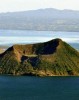 Manila-Tagatay-Manila (Taal Lake – Taal Volcano)
Tour Durationstarts at $87 per person in a group of 2 and up, $136 if 1 person onlywhole day
-
-



Hi! Guide's Fee for Half Day tour in Manila is Php2,500, car rent is Php3,000. Thank You!