

 French
 Spanish
 Russian
Private guides and guided tours in Argentina
Private guides in Argentina

Private Guide in Buenos Aires - Liz
(Member Since 2009) Excursions/tous in the following cities: Buenos Aires, Tigre Languages: Spanish-EnglishHi! Local Expert since 2004 born and raised in Buenos Aires City. Passion: Give tours. Hobbies: Tango Dancer and Sports plus History and Economy. Focus: on doing what I like and help all the local entrepreneurs in my city.

Private Guide in Buenos Aires - Carina
(Member Since 2015) Excursions/tous in the following cities: Buenos Aires Languages: English, Spanish, PortugueseHello! Iґm always waiting for you in my lovely Buenos Aires city. My aim is to share with you the secrets of Buenos Aires in a custom made way, so you could make the best of your time during your trip. I extremly enjoy when travellers of all over the word tell me how they go further from their expectations about Buenos Aires and "porteсos" traditions.

Private Guide in Buenos Aires - Angeles
(Member Since 2008) Excursions/tous in the following cities: Buenos Aires Languages: Spanish, EnglishI am a professional tour guide in Buenos Aires, Argentina. My tours are full of interesting information about Argentina, including historical facts, funny anecdotes, relevant political data, and the most important aspects of Buenos Aires. In all my tours I want my passengers to learn about the cultural background of the city, so I make a point of all the changes that took place in the last century.

Argentina
Language: Spanish
Currency: Argentine peso (ARS)
Calling Code: +54
Guide Licensing Information
COMMENTS ABOUT Argentina:
As the world’s eighth largest country and the second largest in South America, Argentina has an abundance of everything. Spanning the southern half of South America, Argentina’s climates range from hot, humid, and rainy to crisp, cold winters. Some areas even maintain a Mediterranean climate year round, making it ideal for vacationing at any time.
If your interests are in beautiful scenery, majestic glaciers, or mirror-like lakes amidst snowcapped peaks, Argentina has a great variety to interest people from all walks of life. The Iguazu Falls are a short flight from Buenos Aires, Argentina’s capital. Nothing else can compare with its jungle surroundings and a total of 275 waterfalls. You can also hike, ride, or boat along Argentina’s rivers, enjoying the crisp air and spectacular views. The vineyards of Mendoza and the ice fields of El Calafate are also awe-inspiring sites. The salt pans of eastern Argentina are host to numerous rock formations and vistas you will never believe.
Wildlife abounds in Argentina, many of which can be seen in such places as the Punto Tombo National Reserve, where around a million Magellan penguins go to mate each year. A variety of whales, elephant seals, and other oceanic animals are often found here. From wetlands habitats to jungle predators, Argentina has it all.
For those who prefer the bustling city life and cultures of the world, Argentina boasts of wondrous cities with histories unlike anything found elsewhere. One of the premier is Buenos Aires, often called the “Paris of the South.” With its European feel and fast-paced nightlife, foodies can visit an assortment of the city’s famous steakhouses. Or enjoy venues with live performing arts, and attend bars and dance clubs with vibrant, exciting atmospheres.

Private Guide in Salta - Luciano
(Member Since 2015) Languages: Spanish - English - PortuguesI am Luciano Dominguez Paris. I am 33 years old. I have studied and graduated in Tourism at Catholic University of Salta - Argentina. I have always worked in different areas of this hospitality industry and I am passionate about meeting new people and sharing with them my knowledge and services.
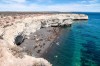
Private Guide in Puerto Madryn - Marcelo
(Member Since 2022) Languages: English - SpanishWe are a Young travel agency into the Patagonian tourism market but with a wide experience within the same. We offer you everything that the destination provides, with seriousness and responsibility, nature...

Private Guide in Buenos Aires - Maria
(Member Since 2011) Excursions/tous in the following cities: Buenos Aires Languages: English, SpanishMy name is Virginia from Private Buenos Aires Tours. I am a porte, an inhabitant of one of the fascinating port cities of the world, Buenos Aires. I invite you to come and tour Buenos Aires with me. For years, I've helped visitors from all over the world touring Argentina.

Private Guide in Buenos Aires - Natalia
(Member Since 2013) Excursions/tous in the following cities: Buenos Aires, San Antonio de Areco Languages: French, english, spanish, portugeseMy name is Natalia and I am a professional tour guide in Buenos Aires city. I love history, geography, gastronomy, dancing, languages, outdoors, landscaping and speaking. I've been working as a professional since 2007 working first in a tour operator bureau.
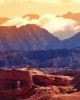
Private Guide in Salta - Nick
(Member Since 2020) Languages: English and SpanishWe operate throughout north west Argentina, and can also arrange trips to the Salares of Uyuni in Bolivia and Atacama in Chile. Wine tours from Salta to Mendoza. Hiking trips in the Andes. Adventure 4x4 excursions into the Altiplano mountain plateau.

Private Guide in Buenos Aires - Pablo
(Member Since 2008) Excursions/tous in the following cities: Buenos Aires Languages: Spanish, English, PortugueseIn a world full of impersonal companies, you will meet a person. I will give you the best of me and the city, because for me, this isn't just work but rather a way of life. I love this city and I also love meeting people from other countries and cultures.
Private Guide in Buenos Aires - Patricia
(Member Since 2010) Excursions/tous in the following cities: Buenos Aires Languages: English, Spanish, Francais, PortugueseAt the moment of travelling to another country, the traveler chooses to contract in his native land some package including the air ticket, the lodgment or hotel, the transfers, and a panoramic city tour. The rest of the optional tours are usually being hired in the destination, generally at the hotel.
Popular tours in Argentina
-
-
-
Private tour in Buenos Aires
 Buenos Aires Private Tour-LOCAL Guide-Full Day -BIG Groups (your Private Big Group)
 Tigre, San Antonio de Areco, Puerto-Iguasu, Buenos Aires
Tour Duration From $75
 6 hours
 -
Culture and History tour in Buenos Aires
 The Buenos Aires History Tour
Tour DurationUSD $180 for 1-3 people, USD $250 for medium groups (4-7 people)6 hours
-












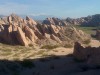 Quebrada de las Flechas, Salta, Valles Calchaquies
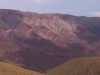 Hornocal Hill, Salta, Quebrada de Humahuaca
 Quebrada de las Flechas, Salta, Valles Calchaquies
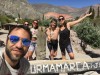 7 colors Hill, Salta, Purmamarca - Jujuy
 Salinas Grandes, Salta, Jujuy
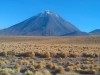 Volcano Licancabur, Salta, San Pedro de Atacama
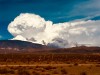 On the way, Cachi, Los Cardones National Park
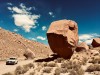 La Juguetería, Salta, Ruta Nacional 40
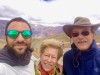 With Mary & Eduard, Salta, Serranias del Hornocal
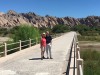 Walking on a bridge, Cafayate, Quebrada de las Flechas
Guide Licensing Information for Argentina
Argentine is one of the most fascinating and attractive countries in the world. It has much to offer to any kind of tourist irrespective of his or her preferences. Tourists say that it is a “must visit” country and they can't be but right. It goes without saying that tourism occupies an important place in country's economy and consequently guiding service is always in demand.
In order to provide only service of the highest quality government members had to ensure somehow that the local guides comply with all the rules and offer only qualitative service. That's why certain rules were introduced in the sphere of guiding. In order to become a guide one has go through a period of detailed training. During this period all guides-to-be learn everything they might need while guiding tourists: history and culture of their motherland, details about each and every landmark in Argentina.
Afterwards they have to pass an examination and only in case their grade is mutually satisfactory they get a special certificate which gives them the access to various historical monuments of Argentina.