

 French
 Spanish
 Russian
Private guides and guided tours in India
Private guides in India
Private Guide in Agra - Azad
(Member Since 2018) Excursions/tous in the following cities: Agra, Delhi Languages: English/FrenchHello!! My name is Azad. I have been working a Tour Guide in the tourism industry in India for about 12 years. I am a licensed Tour Guide recognised by Ministry of Tourism India. I am proud to provide our guests with a high level of professional service.
Private Guide in Kochi - Lijo
(Member Since 2014) Excursions/tous in the following cities: Kochi Languages: EnglishI've always had a real passion for Kochi and its surrounding places and fascinating 2000 years of its history and wish to share that enthusiasm with visitors to my country in a relaxed, informative and entertaining way. Over the course of a tour, I hope I could share my knowledge of cochin history and culture with you, coloured by my own unique perspective and hopefully some humour along the way.

Private Guide in New Delhi - Ramesh
(Member Since 2017) Excursions/tous in the following cities: Haridwar, Palampur Languages: English, FrenchTravelling is my life and my passion. I made it my profession and have been sharing everything I got to know about India, with my customers. My co-operation with many international companies helps me to better understand needs and requirments of tourists who come from the Western countries than maybe any other Inidan guide can if he or she doesn't have such an experience. I speak English, French, Hindi, Malayalam, Travelled to almost every district in India and specialise in culture, cuisines and hisory of Indian subcontinent.

India
Language: English
Currency: Indian rupee (INR)
Calling Code: +91
Guide Licensing Information
COMMENTS ABOUT India:
Mysterious and wise India is favoured for excellent vacations on the beaches of Goa and Kerala, colourful Delhi, floating Himalayas, the treasures if the Golden Triangle, ancient secrets of Ayur Veda, rave nightclubs and yoga tours. If you are interested in having a qualitative vacation in India you should consider visiting the following cities: Delhi, Mumbai, Colkata and Chenai. In case you are interested primarily in spending time on the beach then you should take note of the following tourist destinations: Kerala, Andaman and Nicobar Islands, Lakshadweep, Southern and Northern Goa.
Climate in India varies depending on its region. The southern part of India is known for having equatorial climate, while the northern part has mountain subtropical climate. The best time for visiting India starts in October and lasts till the end of March. It’s never cloudy during this period of time and the maximum temperature reaches +30 C. In April it is extremely hot in India, and only in the Himalayan states the temperature is fine. Indian beaches are considered to be ones of the most beautiful beaches in the world.
The beaches of Mumbai are famous for its rich nightlife. It may come as a surprise for you but some people think that India is the best place for shopping! You would be amazed by the wide range of things you can buy in India.

Private Guide in Jaipur - Singh
(Member Since 2008) Excursions/tous in the following cities: Mumbai, Delhi, Agra Languages: english, frenchHello, dear friends! My name is Singh. I work as a licenced private guide in India and Nepal leading fits and all sizes of group all over the country and Nepal, I am best known for making the tours interesting and simple.

Private Guide in Delhi - Akhilesh
(Member Since 2010) Excursions/tous in the following cities: Delhi Languages: JAPENESEI Am working Free Lancer work in all over India with our Japanese groups. Delhi Agra Jaipur Varanasi is my most Visiting Destination. My birth place is Varanasi, some time we work with Japanese travel agency...

Private Guide in Jaipur - Devendra
(Member Since 2008) Excursions/tous in the following cities: Jaipur Languages: EnglishWith me you can feel the pulse of India in General & Rajasthan in particular.....!!!!!So hurry up & get in touch with me if you want to experience Incredible India as against just visiting it.....I am...
Private Guide in New Delhi - Dharmendra
(Member Since 2005)We are a mid size inbound tour company. Though we are not much old eshtablished but we have earned a good name among the major outbound tour operators worlwide.
Private Guide in Delhi - Girdhar
(Member Since 2022) Languages: EnglishNamaste Dear Traveler… My Name is Girdhar and I'm a professional tour guide of Northern India, approved by the Ministry of Tourism, Govt of India. Of My area of expertise are New delhi, Agra &...
Private Guide in Delhi - Harry
(Member Since 2023) Languages: EnglishImmerse yourself in the rich cultural heritage of Delhi as you explore the Red Fort with Harry as your guide. Experience the grandeur of the Mughal era, learn about the fort's role in India's struggle for...

Private Guide in Agra - Kamal
(Member Since 2009) Excursions/tous in the following cities: Agra Languages: EnglishHi I am graduate in history and travel & tourism management from agra university, one of the oldest universities in India. I am resident of world famous city of the Taj Mahal 'Agra' and having license to...
Private Guide in New Delhi - Krishna
(Member Since 2007) Excursions/tous in the following cities: New Delhi"Enjoy a memorable vacation in India " with A qualified Tour professional (Post Gradurate Diploma in Tourism Managment. ) I have been working in New Delhi Travel Trade for last 10 years and can help you in...
Private Guide in Agra - Nikhil
(Member Since 2007) Excursions/tous in the following cities: Kerala, Chennai, Jaipur, Rishikesh Languages: French , English , HindiNikhil is working for the last 7 years as a professional guide for India, Bhutan and Nepal.He has been providing excellent services to Individuals and small groups from various countries of the world and have...
Private Guide in Leh - Noni
(Member Since 2006) Excursions/tous in the following cities: New Delhi, LehDear Friend: Modest as we may be, but a successful track record of over 12 years is something to be proud of – if not to boast about? Time and continuous patronage by tourists, young and old, from far andnear – year after year – has helped position 4 Season Holidays as the leading Adventure travel house that produces results because ensuring your adventrous abilities and convenience is our only concern. And when it comes to service, we offer it all under one roof.
Private Guide in Chennai - Raja
(Member Since 2009) Excursions/tous in the following cities: Chennai Languages: English, Hindi, TamilI love my country and I love to show the beauty and culture of my country to tourists. With 8 years of experience in the Tourism Industry, I am well versed with the History, Culture, Architecture, and Tourist...
Private Guide in Kolkata - Sourav
(Member Since 2023) Languages: EnglishWelcome to us, a community-based tourism service provider that offers unique and authentic travel experiences. Our mission is to promote sustainable tourism practices that benefit local communities and protect...
Private Guide in Chennai - Srirajan
(Member Since 2005)I offer tours in India covering Rajasthan, Agra, Delhi, TajMahal, Tamilnadu, Kerala, Backwater cruise, Treetop house, wildlife tour, culture tour, tanjore, pondicherry and any place in India. With over 20 years experience in covering tourist destination in India, honest approach towards clients, I can offer you an unforgettable holiday in India. .

Private Guide in New Delhi - Sushil
(Member Since 2008) Languages: English, GermanI am Sushil from New Delhi, India. I have 09 years experience of showing people my incredible country " India". I am working as a Freelance English Speaking Tour Leader / Manager / Escort / Guide for India. I have a good liasion with reliable Tour operators, hoteliers and transport companies, therefore apart from my guiding / escorting services, i can also arrange allied services for any visitors planning to visit India.
Private Guide in Delhi - Sushil
(Member Since 2009) Excursions/tous in the following cities: New Delhi, Kerala Languages: Hindi, English & GermanI am a science graduate and have done post graduate diploma in tourism. I am a freelance tourist guide / tour escort / tour manager working in Northern India. Travelling has been passion for me & i can...

Private Guide in Delhi - Vivek
(Member Since 2018) Excursions/tous in the following cities: Delhi Languages: English, Hindi, PunjabiI am Vivek, born and brought up in a Traditional family in Punjab, so that upbringing kept me rooted in traditions, and cultures. Then later i moved to New Delhi, India, and have been a resident in New Delhi from past 18 years.

Private Guide in New Delhi - Yogendra
(Member Since 2009) Excursions/tous in the following cities: Udaipur, New Delhi Languages: German, EnglishAs a professional India private guide I offer various tours far of the beaten path. All the tours are tailor made to meet your desires and opportunities. The service of a private guide is better than taking a commercial customized tour, because in the case of the private tour there is always a personal approach towards the client. Everything is flexible. It is up to you to decide what places should be visited, what places should be excluded from the itinerary. You are the one to decide at what time to start, how much time to spend at each location.
Popular tours in India
-
-
-
Private tour in Jaipur
 Delhi-Agra -JaipurTour Duration
 05 nts / 06 Days
 -
Culture and History tour in Agra
 Mumbai with heritage tour of Rajasthan
 Bundi, Chittorgarh, Udaipur, Jodhpur, Jaisalmer, Nimaj, Delhi, Mumbai, Agra
Tour Duration $400-45018 days
 -
Culture and History tour in Delhi
 Royal Rajasthan tourAgra, Jaipur, Nimaj, Udaipur, Jodhpur, Jaisalmer, Bikaner, Mandawa, Delhi
Tour Duration$350-40015 days -
Culture and History tour in Jaipur
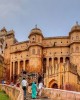 (Covers Delhi-Jaipur-Agra)
Tour Duration1500 USD per person(from April to August)/2000 USD per person for remaining year05 nights/6 days -
Private tour in Rishikesh
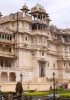 Glimpses of North IndiaTour Duration07 nights / 08 Days
 -
Private tour in New Delhi
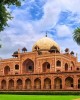 Golden Triangle of IndiaTour Duration06 Nights / 07 Days
-

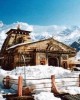
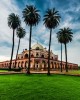


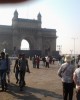
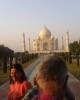


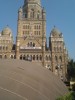





 Bangla Saheb Temple, Delhi
 Palampur eco farm, Palampur
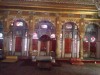 hall of private audience, Jodhpur, mehrangarh fort
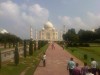 evening view with clouds, Agra, taj mahal
 chinese fishing nets, Cochi, cochi
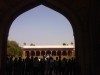 hall of public audience, Delhi, redfort
 boat ride on ganges, Varanasi, holy ganges
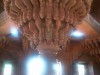 meticulously carved cental column of diwzne khas, Agra, fatehpur sikri, near agra
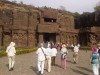 australian group atajanta ellora caves, Aurangabad, ajanta ellora caves
 crocodile, national park
Guide Licensing Information for India
Tourism is one of the most important industries in India. It gives the locals lots of ways to earn their living and at the same time share their culture and history with foreigners. That's why it is extremely important to impose certain rules over guiding activity in order to make it high quality.
The government of India acknowledges that guides are a so-called means of communication for tourists, and it is extremely important to provide only the most qualitative guiding service in order not to spoil people's impressions of India. That's why in order to become a guide it is necessary to go through certain procedures – thorough training and rigorous examination. It is worth noting that the examination is usually conducted by the tourism department every two years.
Once you pass the examination you get a license that permits you to take tourists around protected monuments. It is worth noting that it wasn't like this all the time, and locals usually provided guiding service for tourists. But the situation has changed after several tourists complained being harassed by their guides.