

 French
 Spanish
 Russian
Private guides and guided tours in Ireland
Private guides in Ireland

Private Guide in Dublin - Michael
(Member Since 2014) Excursions/tous in the following cities: Dublin Languages: EnglishPrivate Day Tours of the Boyne Valley, County Meath, rich in heritage and history. Visit the heritage capital of Ireland as your personal driver brings you from one location to the other to stroll around at your ease.

Private Guide in Killarney - Ann
(Member Since 2013) Languages: EnglishI have worked as a teacher for the past 27 years and I have a degree in early childhood care and education. I am a qualified driver / guide with the national transport authority of ireland. I have been working as a guide for the past 3 years.

Private Guide in Belfast - Anna
(Member Since 2013) Languages: Russian, English, ItalianI was born in Russia, Moscow. I have been living in Russia for more than 30 years and I've been working as a travel manager in a big Travel company in Moscow. I know no one client who would stay unsatisfied with my service!

Ireland
Language: English
Currency: Euro (EUR)
Calling Code: +353
COMMENTS ABOUT Ireland:
Ireland is an island north of Great Britain, separated from the larger country by the Irish Sea. It is divided into the Republic of Ireland and Northern Ireland, which remains part of the United Kingdom. Ireland is known for its Gaelic heritage and literary and musical culture. The climate is mild and moist, with abundant rainfall.
There are many interesting places to visit during a trip to Ireland. Several natural phenomenons have been included as UNESCO World Heritage Sites, such as the Giant’s Causeway in County Antrim, the Skellig Michael in County Kerry, and Bru na Boinne, a megalithic site of standing stones and prehistoric chamber tombs in County Meath.
Some of Ireland’s most popular attractions are found in Dublin, such as the Guinness Storehouse. Blarney Castle, Holy Cross Abbey, Bunratty Castle and the Cliffs of Moher are some of the country’s must –see landmarks. Visitors also head to the Aran Islands, Achill Island, the Lakes of Killaerney and the Dinge Peninsula for holidays in the beautiful green countryside of Ireland.
One of the world’s highest sea cliffs, Croaghaun, looms over a Blue Flag beach, one of five in Ireland that attract surfers to ride the waves. Whales and dolphins are a common sight off the shores of Ireland, and so are sea turtles and seals. There are no snakes in Ireland.

Private Guide in Dublin - Eric
(Member Since 2009) Excursions/tous in the following cities: Dublin Languages: EnglishI am a licensed private guide and I have both the white Irish badge and the blue Dublin guide badge. Ireland is my birthplace; I have been living here for all my life. No wonder I am so interested in the Irish history and folklore. This company is a family business, and I am the third generation to be providing the service of a private guide in Dublin. My tailor made tour include all the most interesting places and landmarks Ireland can possibly show.

Private Guide in Dublin - Geoffrey
(Member Since 2012) Excursions/tous in the following cities: Dublin, Galway Languages: EnglishTour guide since 2009. I have been conducting all Ireland tours from Dublin and the midlands for the past three years, and have built up an extensive knowledge of many of Ireland's hidden and not so hidden treasures I specialize in all sorts of tours, from Dublin and Belfast city walking tours to to cultural and historical attractions throughout Ireland .

Private Guide in Dublin - Joyce
(Member Since 2006) Excursions/tous in the following cities: Dublin, Shannon Languages: EnglishWalking and hiking tours in Ireland with Joyce's Ireland - the best hiking vacations in Ireland! Welcome to the Ireland of my dreams and, I hope, yours. I started running these tours in the Summer of 1995 and I quickly realised that this was the best decision I'd ever made. I have managed to convert what is essentially a passionate hobby into a small, well-run business.

Private Guide in Dublin - Kieran
(Member Since 2009) Excursions/tous in the following cities: Dublin Languages: EnglishMy name is Kieran. I am a private tour guide based in Dublin and I run a private tour company Tour Dublin. I am a certified tour guide and I have an honours Masters degree in Medieval Studies although I have an interest in all periods of history.
Popular tours in Ireland
 €590
€590 8 hours


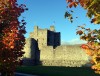 Trim Castle, Dublin, Trim
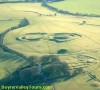 Hill of Tara - Boyne Valley, Dublin, Boyne Valley
 Monasterboice High Cross, Dublin, Boyne Valley
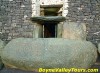 Newgrane entrance stone, Dublin, Boyne Valley
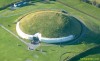 Newgrange Stone Age Tomb, Dublin, Boyne Valley
 Newgrange Stone Age Passage tomb, Dublin, Newgrange
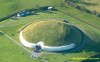 Newgrange 5000 year old passage tomb, Dublin, Newgrange
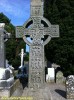 Monasterboice Celtic Cross, Drogheda, Monasterboice
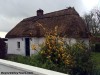 Thatched Cottage in the Boyne Valley, Drogheda, Boyne Valley
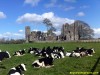 Bective Abbey, Dublin, Bective Abbey