


 French
 Spanish
 Russian
Private guides and guided tours in Israel
Private guides in Israel
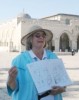
Private Guide in Jerusalem - Suzanne
(Member Since 2008) Excursions/tous in the following cities: Jerusalem Languages: EnglishLooking for a professional private tour guide in Israel who will show you all aspects of this amazing country? Suzanne Pomeranz (SuzTours) is just the person you're looking for! Being licensed by the Ministry of Tourism and having received a certificate from the highly acclaimed Archaeological Seminars Tour Guide School, Suzanne is a highly professional and experienced guide who will help you get up close and personal with Israel.

Private Guide in Tel Aviv - Arik
(Member Since 2015) Languages: englishThe first professional course I had ever taken in the field was in 'yad vashem' that gave me the initial tools to be a great tour guide. This extensive course about the holocaust made me extremely knowledgeable about this period of time and also to fall in love in guiding people.

Private Guide in Jerusalem - Avraham
(Member Since 2012) Languages: English, IvritBeing a native-born Israeli with a passion for his country, Avraham has years of experience working as a certified private guide in Israel. His love for his country and hi-tech education allows him to offer both traditional and specialized tours that will please different groups of customers.

Israel
COMMENTS ABOUT Israel:
Ancient multinational Israel has much to offer to any kind of tourist irrespective of his/her preferences. If you are more of the “beach vacation” type you will get a chance to relax at the coasts of the Mediterranean and Red seas. In case you are interested in visiting several sanctuaries you will have various pilgrim tours at your disposal.
Besides that you can even improve your health at the famous Dead Sea. It is worth noting that Israel is equally popular in any season of the year. Some people come here to immerse into the ancient history and rich culture, others come to restore their mental and physical health by means of remedial qualities of the Dead Sea. Israel is also known for having high level doctors, so some people come here not for vacation but for operation. Young people favour Israel because it can brag about it rich night life and incredible parties.
The climate in Israel varies from mild to tropical, having lots of sunny days during the year. The summers are humid and the winters are mild on the coast, while in the mountain regions the situation is a bit different – dry summers and cold winters. Your vacation in Israel would be incomplete if you don’t taste anything from the local cuisine.

Private Guide in Jerusalem - Dina
(Member Since 2013) Languages: EnglishI invite you to join me in discovering the magic of this exotic land, feeling its history, seeing its varied ethnic communities and tasting their rich gastronomy, floating on the waters of the Dead Sea, enjoying its natural wonders and taking part in all the attractions that Israel has to offer!

Private Guide in Tel Aviv - Rotem
(Member Since 2015) Languages: English, HebrewMy name is Rotem, and I am a licensed tour guide here in Israel. I was born here, in Tel Aviv, but when my parents moved to the US, specifically to Miami, when I was two years old I had no other choice but to go with them. I grew up there, so I am fluent in English, and after finishing up my M.Sc., I made aliyah and moved back to Israel.

Private Guide in Jerusalem - Danny
(Member Since 2010) Excursions/tous in the following cities: Jerusalem Languages: English, HebrewHi! My name is Danny and if you're looking for an Israel private tour guide with in-depth knowledge of Israel and its history, you can't pick a better guide than me. Being born in Israel and raised in a kibbutz, I know all the sides of life in this country. After doing the military service I've decided to become an archeologist, so I enrolled in the Institute of Archaeology of Jerusalem.

Private Guide in Jerusalem - David
(Member Since 2012) Languages: EnglishThe best way to see Israel is with a private tour guide. let me take you around in my luxury jeep and share with you all that Israel has to offer. From the holy sites of Jerusalem, to the Dead Sea or even to the dance clubs of Tel Aviv.
Private Guide in Bethlehem - Mohammad
(Member Since 2022) Languages: English, ArbicAt first, I studied accounting at Bethlehem University and then worked in tourism and hotels. I loved that field, when I got involved with tourists in institutions, my place of work became a tourist guide for...

Private Guide in Jerusalem - Zel
(Member Since 2009) Excursions/tous in the following cities: Jerusalem Languages: English, HebrewHello, my name is Zel Lederman! Born and raised in Australia, I've been living in Jerusalem for over 18 years, making it my true homeland and raising my children in this beautiful and ancient city. Being originally a professional in health sciences, I've shifted my career onto horticulture, which led me into working at the Jerusalem Botanical Garden for over a decade. And the more I was learning about the city and Israel in general, the more I wanted to show other people and visitors its beauty and lots of interesting things that it has.
Popular tours in Israel

 $1500
$1500 7 hours











Guide Licensing Information for Israel
Despite the large number of guides offering their services in Israel, not every one of them is actually licensed to render such services. The process of licensing is rather rigorous in Israel, which is aimed at eliminating low-quality service providers. First of all, the potential guide has to go through a two-year course, which includes studies in history, archeology, history of religion, geography and other subjects. After completing the course, the solicitor will have to take exams in the Ministry of Tourism, and only after completing them successfully will be able to call himself a licensed guide. But this is just the start.
The general license permits the guide to render his or her services at any historic site of Israel and in most of its museums. However, certain museums have their unique licenses, which have to be obtained by the guide to perform any tours there. The same applies for all natural parks and landmarks, which require a separate license issued by the Society of Nature Conservation. All the respective licenses can be requested by the inspectors of the Ministry of Tourists or tourists themselves at any time. However, there's still a very large number of guides in Israel, who have a vast experience in the domain but still lack all the required paperwork to perform tours and excursions legally, so stay alert.