

 French
 Spanish
 Russian
Private guides and guided tours in Korea South
Private guides in Korea South

Private Guide in Seoul - Charlie
(Member Since 2010) Languages: English, Japanese, Spanish, KoreanI have lived in Seoul for over 20 years and I've spent a lot of time exploring out of S.korea. In addition, In Seoul, I've sought out the most interesting temples, gardens, nightlife districts and fascinating urban landscapes.
Private Guide in Pusan - Frank
(Member Since 2012) Excursions/tous in the following cities: Pusan, Incheon Languages: English, Chinese, Russia , Japanese.Hello there! My name is Frank Yi . Currently, living in the BUSAN and I am a freelance tour guide and translator working for more than 5 years in the Korea.
Private Guide in Seoul - Richard
(Member Since 2014) Excursions/tous in the following cities: Chuncheon Languages: English, JapaneseHi, my name is Richard and a Korean government certified English tour guide in Korea. I've been working as a tour guide around 7 years in Korea and have been to most of Korean territory while working as a tour guide.

Korea South
Language: Korean
Currency: South Korean won (KRW)
Calling Code: +82
Guide Licensing Information
COMMENTS ABOUT Korea South:
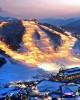
South Korea is one of the must visit countries. It has much to offer to any kind of tourist irrespective of his/her preferences – mineral springs, clean beaches, wonderful historical monuments and even ski resorts. Korea is the country with incredible history, beautiful nature and obviously great future. It has recently become one of the top tourist destinations for travelers from Primorsk Territory.
Every year thousands of tourists come to the South Korea to relax on the hot springs and beautiful sand beaches, explore cultural and historical sites and of course to ski. Seoul is the capital of the South Korea and its main cultural and economic center.
Most part of the country is found in the mild climate zone, where every season has its own characteristics. Spring and autumn are quite short and warm. The majority of sunny days fall on the period from March till May. The summers are usually hot and humid; the maximum temperature reaches +35C.
The winters are cold and dry the temperature reaching -10C. They say that the best time to visit South Korea is from late November till April. It is a perfect tourist destination for both those who prefer active traveling and those who simply want to spend some marvelous hours at the seaside.
Private Guide in Jeju - Charles
(Member Since 2012) Excursions/tous in the following cities: Jeju Languages: EnglishHello! Let me introduce myself. I am Charles from jeju south korea. I live in jeju city. I am a driver & private guide here in jeju island. I majored in english literliture when I was in university. After graduation, I have worked for travel agency for about 9 years as a tour conductor.As for me traveling around the world is very interesting.
Private Guide in Seoul - Christine
(Member Since 2009) Excursions/tous in the following cities: Seoul Languages: EnglishWe are run by the lovely Christine and Cindy. When we are not playing gracious hosts to our guests, you can find us sitting back relaxing and reading up on history, in particular military issues as this has...

Private Guide in Seoul - Jay
(Member Since 2010) Excursions/tous in the following cities: Seoul Languages: EnglishOur travel agency is offering a wide range of private tours in Seoul, in South Korea. Each of our members is a highly professional, knowledgeable specialist in the field of tourism, and we all live in South Korea. The status of our service is all inclusive. It means that once you paid us, you won't have to spend more money. If you choose to use our service you should know that we provide personalized tours, and there won't be any strangers in our group. Note that we are not going to take you shopping with the aim of getting commission from your purchase, and you won't be extra charged. Well, if you are interested for a cheap private guide in Seoul, our travel agency probably isn't the most suitable for you.
Private Guide in Seoul - Kevin
(Member Since 2014) Excursions/tous in the following cities: Seoul, Chuncheon, Suwon, Incheon, Gyeongju Languages: English, KoreanMy name is Kevin. I myself like travel abroad too. I like to exchange cultures also, because experiencing different cultures can give us great chance to make a progress in many ways.

Private Guide in Seoul - Ki-won
(Member Since 2014) Excursions/tous in the following cities: Seoul, Chuncheon, Sokcho Languages: English, KoreanIn 1995, I got an English Tour guide license issued by Korean Government, got married to a lovely wife, started my career as a tour guide in Saipan, stared living in Seoul since then, gave birth to a first boy, now three after all. . . and so on
Private Guide in Seoul - Roy
(Member Since 2015) Excursions/tous in the following cities: Seoul Languages: EnglishI love travel with my family and traveld around Korea on almost evey holidays. I thought it was wonderful to exprience Korea with friends from abroad and share the joy with them. So I decided to start my 2nd career as a tour guide. After I quit the previous job 2 years ago, I began to work as an assistant guide and got the official tour guide license last year.
in Seoul - Sara
(Member Since 2014) Languages: Korean, English, ArabicMy native language is Korean. I speak fluent English. I can speak Intermediate Arabic. I have experiences with Arabic culture and people also. I hope I can help them. When I was abroad I tried to discover the country and city where I was. Now, I am back to Korea. Even I lived in my country so many years, I try to know and discover in my country mores attractions for tourists.
Private Guide in Seoul - Sara
(Member Since 2017) Languages: Korean, English, ArabicI am a licensed tour guide. I like culture and languages so I studied languages. I like traveling and see the different culture. I have been to may different cultural regions. I like communicating with people from different countries and know about them.

Travel Agency in Seoul - Steven
(Member Since 2014) Excursions/tous in the following cities: Sokcho Languages: EnglishDuring I live in New Zealand, I used to travel around when I was free. Because of that, I had chance to work at the travel agency in New Zealand as an operator in 2006. It was really fun and great for me to make Korea tours to spread the cultures and the fun things about Korea to the world.
Popular tours in Korea South
-
-
-
Private tour in Pusan
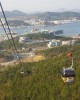 4-Days 3-Nights Tour From Busan to South west Coastal Geoje + Tongyeong + Namhae + Yeosu
 Suncheon, Yeosu, Namhae, Tongyeong, Pusan, Geoje, Pusan
Tour Duration $330-660
 1-4 days
 -
Private tour in Pusan
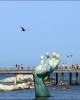 5 Days 4-Nights From Busan to Eastern Coastal road, Pohang + Donghae + Gangneung +SokchoIncheon, Seoul, Sokcho, Gangneung, Donghae, Samcheok, Pohang, Pusan
Tour Duration$330-6601-5 days -
Private tour in Pusan
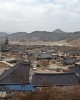 5-Days 4-Nights Mt.Jirisan and surround cities Tour, include Gwangju city.Boseong, Suncheon, Yeosu, Jeongeup, Jeonju, Namwon, Pusan
Tour Duration$330-6601-5 days -
Private tour in Incheon
 Conference/Trade fair/exhibition/Show/expo VisitorSeoul, Daegu, Ulsan, Gyeongju, Pusan, Jeju, Seoul, Incheon
Tour Duration$330-6601-4 days -
Private tour in Pusan
 Korea Ski and Snow experience tripIncheon, Seoul, Sokcho, Jeongseon, Jeonju, Muju, Pusan
Tour Duration$330-6601-8 days -
Private tour in Pusan
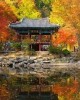 Korea's BEST 5 Fall Foliage Sites and surrounding cities tour. 1-40 pax.Pusan, Suncheon, Jeongeup, Seoul, Sokcho, Jeongseon, Andong, Gyeongju, Pusan
Tour Duration$330-6601-3 days -
Private tour in Incheon
 Multiple-Day Customized Private tour in Seoul 1-40 pax.Seoul, Gyeonggi, Seoul, Suwon, Seoul, Chuncheon, Seoul, Paju, Incheon
Tour Duration$275-6601-8 days -
Private tour in Incheon
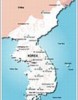 Multiple-Day South Korea Customized Private tour for Seoul+ Busan+Jeju and more places.Incheon, Seoul, Sokcho, Gangneung, Andong, Gyeongju, Pusan, Jeju, Jeonju, Incheon
Tour Duration$330-6601-15 days -
Sightseeing Nature tour in Seoul
 360 [S.Korea Freestyle]Incheon, Yongpyong, Suwon, Jeonju, Jeju, Pusan, Gyeongju, Sokcho, Seoul
Tour Duration$4501-7 days -
Sightseeing Nature tour in Seoul
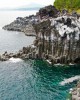 Highlights of Jeju Island (3D2N)
Tour Duration1 pax: 2,500$ 2: 1,410$ p/p 3:1,070$ p/p 4: 980$ p/p 5~8: 890$ p/p 9~14: 810$3D2N -
Culture and History tour in Seoul
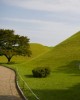 Highlights of Korea (10d9n)
Tour Duration2 pax: 4,340$ p/p 3: 3,310$ p/p 4: 3,060$ p/p 5-8: 2,630$ p/p 9-14: 2,440$ p/p10 days -
Sightseeing Nature tour in Seoul
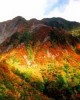 Highlights of Mt. Seoraksan (2D1N)
Tour Duration1 pax: 1,080$ 2: 600$ p/p 3: 440$ p/p 4: 390$ p/p 5-8: 340$ p/p 9-14: 300$ p/p2D1N -
Culture and History tour in Seoul
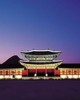 Highlights of Seoul (8h)
Tour Duration1 pax: 380$ 2: 200$ p/p 3: 140$ p/p 4: 120$ p/p 5-8: 110$ p/p 9-14: 100$ p/p8 hours
-

Guide Licensing Information for Korea South
Tourism is one of the most developed and important sectors in the economy of South Korea. According to the recent data approximately 12 million foreign tourists visited South Korea in 2012. These impressive numbers indicate that South Korea is the 20th most visited country in the world. Seoul is one of the most popular tourist destinations in South Korea attracting thousands of tourists primarily from China, Japan, Hong Kong and Taiwan.
This country has much to offer to any kind of tourist irrespective of his or her preferences. But often our impressions of the foreign country are affected by the people who introduce us to it – local guide. The more knowledgeable and trust-worthy is the guide the better your vacation will be. Sometimes it happens that tourists come across unprincipled guides who are interested primarily in making more money. In this case there is no guarantee that tourists are safe in such a company. In order to eliminate such cases the members of the Ministry of Tourism of South Korea impose certain rules and regulations over guiding activity.
Only licensed guides are allowed to work in this sphere. In order to get a license all the guides-to-be have to study for a certain period of time and then pass an examination.