


 French
 Spanish
 Russian
Private guides and guided tours in Malta
Private guides in Malta

Private Guide in Valletta - Alyona
(Member Since 2009) Excursions/tous in the following cities: Valletta Languages: English, RussianMy name is Alyona and I will be glad to serve as your private guide in Valetta and any other part of Malta. The compact nature of this country makes it very easy to explore its beauties, which are abundant and very diverse. On the one hand, there are places like Valetta and Mdina, where you can enjoy the marvelous architectural landmarks such as churches, cathedrals, castles, trade houses and fortifications. On the other hand, the countryside has remarkable landscapes and untouched nature that hasn't changed much over the centuries. So there's something to please any type of traveler in Malta.
Private Guide in Valletta - Amy
(Member Since 2011) Excursions/tous in the following cities: Valletta Languages: EnglishMy name is Amy, I was born and brought up on Malta, though I have been outside my country many times, both on holiday as well as on traineeships. Tour guiding combines my love for history, architecture and...

Private Guide in Valletta - Karina
(Member Since 2012) Excursions/tous in the following cities: Valletta Languages: Russian, EnglishI see Malta as my home country although I am a foreigner. love giving my clients that come to visit Malta not only general information, but also the best facts about the country and many interesting points about this rich in history island and its places of interests, its traditions and culture.I have been living in Malta for 28 years, the first russian who came to Malta - and the first russian licensed guide.

Malta
Language: English
Currency: Euro (EUR)
Calling Code: +356
Guide Licensing Information
COMMENTS ABOUT Malta:
The Republic of Malta is an island chain in the middle of the Mediterranean Sea, located between Sicily, Tunisia and Libya. Malta has a subtropical Mediterranean climate that features dry, hot summers and mild, sometimes rainy, winters. Maltese culture enjoys many local festivals, with Carnival being one of the most enjoyable, featuring parades, masked balls and revelries that last all night.
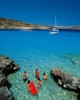
Visitors to Malta often come to enjoy its idyllic beaches and clean waters, such as the gorgeous waters of Comino’s Blue Lagoon. Diving around the Maltese archipelago is a popular activity that features exciting underwater caves and magnificent reefs. The beauty of nature extends inland on the Maltese islands where gentle hillsides and dramatic cliffs offer incredible scenery for hiking in the countryside.
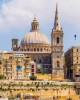
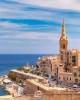
Prehistoric monuments are another attraction for tourists to Malta, such as the oldest known freestanding temples in the world at Gganija and other megalithic monuments dating back as far as 3600 BC. The capital city of Valletta has its own historical ambience, with an Old Town designated a UNESCO World Heritage Site that includes St. John’s Cathedral, the Manoel Theater and other notable forts, museums and monuments as well.
Step back into medieval times with a visit to a relatively unchanged Mdina, a noble town with little evidence of modern development. The nearby island of Gozo also offers a slow-paced ambience, as well as gorgeous rugged coastlines.
Popular tours in Malta
-
-
-
Private tour in Valletta
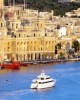 City built by Gentlemen for Gentlemen - perl of Baroque Valletta
Tour Duration Prices vary according to amount of persons attending the tour and duration of th
 Half day - 4hrs or Full day - 8 hrs
-
Guide Licensing Information for Malta
Malta is a rather popular destination for tourists due to its rich history, abundance of cultural and historical sites, and a relatively small territory that makes exploring these sites very comfortable. And it's natural that a country such as this to carry a large number of private guides. Being part of the European Union, Malta features serious regulation of any guiding activities, and due to this wild guides are virtually nonexistent in Malta. All the licensing, monitoring and control of guiding activities is carried out by the Malta Tourism Authority, which even has special task groups that are responsible for controlling the validity of guide ID cards in locations where guided tours are frequent.
In order to obtain the guide ID card one should fill out an application with the Malta Tourism Authority and show proof of own proficiency in the domain of guiding. Citizens of Malta, EU countries or foreigners with working permits of legal age are allowed to apply for guiding license. The applicant should provide a document confirming the completion of guiding courses recognized by the Authority and pass the state exam if required. The issued license is valid for only three years and should be renewed after that, which may imply additional training or examination by the Malta Tourism Authority.
