

 French
 Spanish
 Russian
Private guides and guided tours in Peru
Private guides in Peru
Tour Operator in Lima - Ali
(Member Since 2012) Languages: English, SpanishWe offer to travellers something different from typical tours, we offer the possibility to explore in a sea kayak several places that normally are not available for conventional tourism, think about it, what do you prefer?? , a city tour by bus or take a sea kayak and paddle on the Pacific Ocean looking at cliffs, watching sea lions, birds and dolphins.

Private Guide in Huaraz - Gilf
(Member Since 2012) Languages: english spanish quechuaI am a Ofittial Mountain Guide from Huaraz , working continuosly since 1992 in Mountains of Peru. With licenses and training such as: Mountain Paramedic, Driver license, Mountain Rescue courses, fire man forest organization. I was President of Guides in 2001 , becaming as the Best Tourism Organization in my area..Working as Teacher in " Eleazar Guzman Barron " Institute for Tourism Guides , Actually I am the head of organization of the Huascaran National Park ( Managing Comitee).
Private Guide in Huaraz - Rodolfo
(Member Since 2014) Languages: spanish englishEach year I assit to rescue course it is organized by Association of Mountain Guides Peru. I live in Huaraz Peru it is interesting amazing place located 408km north of lima. huaraz is the principal town for many expeditions for cordillera blanca cordillera huayhuash cordillera raura.

Peru
COMMENTS ABOUT Peru:
Peru is a large country on the west side of South America. It covers such a broad expanse that its climates vary based on location. The weather is tropical in the east, humid in the Amazon Rainforest, and becomes a dry desert in the west. In addition, with parts of the Andes Mountains available, you will certainly need to pack appropriately.
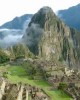
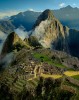
During the wetter seasons, around February, the Inca Trail and some other locations are normally closed for annual cleanup. However many popular tourist destination will still be available like Cusco, the former capital of the Incan Empire, and Machu Picchu, listed as one of the New Seven Wonders of the World. For fans of ancient cultures and history, Peru is a vacation destination that cannot be missed.
For those with an itch to explore the beautiful wonders nature has made available, visit the lesser known natural mud baths at the Hervideros de Zorritos, beautiful Lake Titicaca, and the Colca and Cotahuasi Canyons, more than twice the depth of the Grand Canyon in the United States.
If you are looking for a more active vacation, Puerto Chicama is renowned by surfers for its long waves, El Cerro Blanco is revered by sandboarding and dune riders as the “Holy Grail” of sand dunes, and a number of marine sports and fishing excursions are available off Peru’s numerous beaches.
Plan your South American getaway today, and select a guide to make your vacation memorable here at Private Guides.
Private Guide in Cusco - Hernan
(Member Since 2013) Excursions/tous in the following cities: Lima, Puno, Cusco Languages: English, EspanishMy name is Hernan Hermoza. I am 35 years old. I was born in the town of Urubamba, Machu Picchu, 100% Local Guide. EXPLORE LIKE A LOCAL. I make the arrangements for our customer including itineraries, making reservations, bookings for hotels, private tours, drivers, restaurants and any other arrangements that are required. All of your email enquiries come directly to me, and We guarantee that your emails will be replied to within 48hrs..
Private Guide in Arequipa - Andres
(Member Since 2014) Languages: English , SpanishThis is Andres. I am writing to you from the Colca Canyon, Peru: the Inkaґs Land. Machu Picchu. My profession is tour guide. I went to University to get Certifications, also I update my profession in CENFOTUR (Centro de Formaciуn en Turismo) , CTA (Ciencias Tecnologicas de Arequipa, Guias de Turismo).
Private Guide in Cusco - Bryan
(Member Since 2019) Languages: Englshi, Spanish, ItalianI'm a native Peruvian, professional tour guide with more than 20 year of experience in the tourism industry and 18 years as tour guide.

Private Guide in Cusco - Cesar
(Member Since 2017) Languages: English SpanishHola, I am Cesar, from Cusco - Peru, I am a Qosqoruna (Cusquenian), I consider myself as a connoisseur of the local culture, researcher of the history and archaeology of my country and its ancient cultures such as Inka and pre-Inka cultures, I would like to show you and explore my city
Private Guide in Lima - Elena
(Member Since 2005) Excursions/tous in the following cities: Lima, Puno, Cusco Languages: English, Spanish, HebrewWhether looking forward for a private tour in Lima with a simple overview of the capital or a professional trekking route in the mountains, our agency will provide the best package depending on your interests. With over 25 years of experience in the business, our guides have established firm partnerships with many local service providers so that any type of tour would go smoothly and with all the possible features.

Private Guide in Puerto Maldonado - Jesus
(Member Since 2018) Languages: Spanish, english, frenchI'm experienced guide born in the jungle, passionate from very young for my job. I got my degree for guiding in the Tambopata National Reserve in 2003 after 4 years of school and training to be a guide.
Private Guide in Huaraz - Octavio
(Member Since 2016) Languages: English, Spanish and QuechuaHe was Born and raised in the small village of Yarush in 1987, at the foot of the Cordillera Blanca, his passion for mountains started in his adolescence. In 2003, he developed an interest for rock climbing, together with his brother Eloy.
Private Guide in Cusco - Olga
(Member Since 2015) Languages: Russian, Spanish, EnglishWhen I arrived to Lima already more than 10 years ago, I couldn't expect that my life will become so fascinating! Country with a set of climatic zones, three languages and a lot of nationalities - it is possible not to leave Peru for years, thus constantly traveling, learning new places and coming back to that special old ones!
Private Guide in Cusco - Roger
(Member Since 2019) Languages: English, SpanishI am a Professional tour guide Graduated from private guiding school "Americana del Cusco". People consider that I am a positive person, that works very well as a team and my ability to communicate is excellent. I have more than 10 years of experience working in tourism, and every year that passes I learn and like more and also I like to meet people and find a way to help them to have a positive experience on their trip.

Private Guide in Cusco - Roger
(Member Since 2008) Excursions/tous in the following cities: Cusco Languages: Spanish, English, GermanIf you've chosen Peru as your destination because of the mind-blowing landscapes and vast areas of untouched nature then you have made the right decision. Peru is a really beautiful and raw country that provides some of the best trekking experiences to tourists from all over the globe. There are some areas on the map that no man has set foot for ages. So if you're looking forward for an exciting adventure filled with incredible views and nature at its finest, then you will certainly appreciate a private tour in Cusco with a professional private guide helping you to get the best experience of the place.
Popular tours in Peru
 upon request
 9 days
 Puno, Cusco
Guide Licensing Information for Peru
Peru is famous for its rich Incan heritage, which can be admired in numerous sites scattered all over the country. And there's also the mysterious Nazca desert, which is attraction in its own category. That's why the help of a professional tour guide can be rather handy in Peru. The guiding activity is licensed in this country depending on the purpose of the tour. If it emphasizes the Peruvian history, culture or nature, or includes special physical activities like trekking or mountain climbing, the guide should possess a license according to his or her proficiency. However, if the tour is aimed at general activities such as brief sightseeing, shopping or exploring local restaurants, a license is not needed.
The licensing process starts with a state exam held at the local branch of the Peruvian Ministry of Foreign Commerce and Tourism. This exam evaluates the applicants knowledge in various domains, including Peruvian culture, history, as well as specific skills such as safety measures for long walks, in case the applicant wishes to organize trekking tours throughout the country. There are various courses that will help you to prepare for the state exam, but make sure that they offer a valid certificate before enrolling.