

 French
 Spanish
 Russian
Private guides and guided tours in Slovenia
Private guides in Slovenia
Private Guide in Ljubljana - Rok
(Member Since 2008) Excursions/tous in the following cities: Ljubljana Languages: EnglishMy name is Rok Puppis and I am a professional licensed guide for more than 8 years. After many years abroad I have decided to take tourists around my homeland for which I belive it is one of the most hidden treasures in Europe still unknown to majority of tourists. I can take to the most hidden places that Slovenia has to offer.
Private Guide in Ljubljana - Dunja
(Member Since 2006) Excursions/tous in the following cities: LjubljanaMy name is Dunja and I am a licensed tourist guide in Slovenia, I graduated from Cultural studies in the University of Ljubljana. During my study I was working as a tourist guide and representative around...
Private Guide in Ljubljana - Sabina
(Member Since 2012) Languages: slovenian, english, croatianTourism was a part of my life from my earliest childhood. As a young boy my father has been writing to tourist associations throughout the world, collecting their brochures, travel guides and catalogues. I have been watching the pictures and dreaming of faraway places before I learned how to read, wanting to visit foreign cities and cultures.

Slovenia
Language: Slovenian
Currency: Euro (EUR)
Calling Code: +386
Guide Licensing Information
COMMENTS ABOUT Slovenia:
The Republic of Slovenia is a small, mountainous country in central Europe that shares borders with Italy, Austria, Croatia and Hungary, and has a brief coastline on the Adriatic Sea. The mostly continental climate features warm summers and cold winters, especially in the Alpine region.
Slovenia’s cultural heritage notably includes an interest in comedy, as well as music and dance. The Slovenska Popevka Festival celebrates Slovenian folk music, and there are also Jazz Festivals, and the famous Novi Rock Festival that first delivered the sounds of rock music across the Iron Curtain. Book fairs, film festivals and many other cultural events occur frequently in Slovenia, earning the city of Maribor the 2012 title as European Capital of Culture.
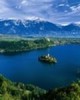
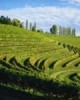
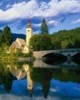
Nature enthusiasts will appreciate the magnificent lakes, gorgeous mountains and hills, the karstic caves and the numerous nature reserves, such as Triglav National Park and the Julian Alps. There are more than three hundred breathtakingly beautiful waterfalls in Slovenia, with rivers running through picturesque valleys and sunny hillsides covered in grape vines.
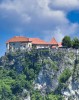
There are also thousands of castles in Slovenia, some of which are beautifully restored and open to the public such as Bled castle and Predjama Castle. Archaeological sites and historical monuments include the Roman Necropolis, Sempeter Savinjski, the Orpheus Monument and the Peca Underground. There are also many historical churches and monasteries throughout Slovenia.
Popular tours in Slovenia
-
-
-
Walking tour in Ljubljana
 Private Ljubljana sightseeing tourTour Duration
 3 hours
-
 on request
Guide Licensing Information for Slovenia
Slovenia is a country that has plenty of sightseeing opportunities both inland and along its coastal line. And it's also a EU member state, which means that the guiding requirements are rather strict in this country. That's why you won't find any wild guides, since the industry is regulated thoroughly and substantial fines are applied to anyone who isn't able to show a valid tour guide license.
In order to become a licensed guide in Slovenia, the contender is obliged to pass a professional exam with the Slovenian Chamber of Tourism and Catering, which will evaluate their guiding abilities as well as knowledge in such important domains as history, culture and geography. After successfully passing the exam, the guide will obtain an ID card with personal information and license number, which should be carried at all times when rendering guiding services. If the guide wishes to provide mountain tours, different requirements apply as such services require deep knowledge in safety and mountain walking/climbing. That's why in order to be able to render such services the applicant will have to get a separate license from the Association of Mountain Guides of Slovenia. On the other hand, general interest tours such as shopping, nightlife, bars or hiking tours do not require any license.