


 French
 Spanish
 Russian
Private guides and guided tours in China
Private guides in China

Private Guide in Shanghai - Harris
(Member Since 2011) Excursions/tous in the following cities: Shanghai Languages: EnglishLooking for the best guide to take you through the beautiful city of Shanghai? Harris is just the man you need! With his vast experience working for high-class hotels and agencies, he will deliver the best experience while exploring this huge port city.

Private Guide in Guilin - Jade
(Member Since 2010) Excursions/tous in the following cities: Guilin Languages: Chinese, EnglishMy name is Jade, from Guilin, China and I am glad to meet you here. I am tour guide in Guilin Yangshuo and would like to offer full information of this area as well as offer private guide services for the tourists who want to visit Guilin Yangshuo China. Our tours is includes Guilin tour, Yangshuo tour, longji rice terraces tour, Guizhou minority culture tour, huangyao old town tour, all of us tour is to meet your specific needs.

Private Guide in Shenzhen - Jenny
(Member Since 2018) Excursions/tous in the following cities: Shenzhen, GuangZhou Languages: Chinese, EnglishHi! this is Jenny, an official licensed English tour guide as well as ALL-IN-ONE business tour guide with 8 years abundant experience&sincere, well-educated, flexible, self-motivated personality.

China
Language: Chinese
Currency: Yuan (CNY)
Calling Code: +86
COMMENTS ABOUT China:
China is officially known as the People’s Republic of China. Without any doubt it is the most populous country in the world with its population equaling 1.35 billion. One of the main features of China is its growing economy that continues to develop irrespective of the global crisis, pig influenza and other discouraging factors.
China is the country of contrasts where huge glass and cement skyscrapers are neighbours to small houses with slanting roofs and statues of lions. There are several cities that are considered to be the must visit tourist destinations in China. They are Beijing, Shanghai, Chengdy, Harbin, and Guangzhou. It is worth noting that climate in China varies from mild continental in the western and northern parts of the country to subtropical in the center and tropical monsoon climate on the southern coast and islands. Late spring and early autumn are considered to be the best time for visiting China. However, even despite such striking differences in the climate there are some places in China that are worth visiting all year round – Hainan island for example. “Hainan” literally means “South of the Sea” so it’s not surprising that its average temperature equals +28C. The water is incredible clean and warm here, which makes it an extremely attractive tourist destination.

Private Guide in Beijing - Michael
(Member Since 2013) Excursions/tous in the following cities: Beijing Languages: Chinese, EnglishI'm a professional tour guide as well as a real travelor . I know Chinese history and atrractions very well. I'd love to show you a classical China with traditional folks and history; and also I'd like to present you a modern China with varied city life.

Private Guide in Lijiang - Tina
(Member Since 2015) Languages: EnglishHello, dear travellers! Welcome to Yunnan, the ethnique kingdom with beautiful nature land! I am freelance tour guide,start to 2005, around 10 years tour guide,I take many groups from different coutry, I really enjoy my job, every day I face different people,give me different idea, different experience.

Private Guide in Hangzhou - Alice
(Member Since 2018) Languages: English, ChineseHi, I am Alice form Hangzhou. I am an energetic girl with a very nice personality. I became a tour guide because I love to travel and meet people from over the world.

Private Guide in Beijing - Amber
(Member Since 2018) Excursions/tous in the following cities: Beijing Languages: English, ChineseI am a certified and professional private tour guide with 10 years experience. I am easy-going,passionate and patient young lady and am interested in providing service for your convenience. I am familiar with Beijing History and culture. I'm not fighting alone now, I have built up a wonderful team with talent guides, experienced drivers and great partners in Beijing, Xi'an, Shanghai, Datong, Guilin, Lijiang...
Private Guide in Shanghai - Andrew
(Member Since 2017) Excursions/tous in the following cities: Shanghai, Suzhou, Hangzhou Languages: English, ChineseBorn in Shanghai , I used to be a Chinese traditional medicine doctor for 2 years. Then I joined the Fortune 500 pharmaceutical company as a marketing people for 10 years. Hundred times to entertain the visiting foreign Colleagues and customers, I find I have became an expert as a guide.

Private Guide in Guilin - Andy
(Member Since 2011) Excursions/tous in the following cities: Guilin Languages: EnglishHi,there,this is Andy.I am a private tour guide in the Yangshuo Guilin China. I offer a personalized tour for individuals, families, companies and anyone who would require of my services. All of my visits include the rental of a vehicle to get from place to place. The size of the vehicle will depend on how many visitors will be in the group.
Private Guide in Shanghai - Aron
(Member Since 2014) Languages: English, Chinese, FrenchI am Mr. Aron, a private local English-speaking guide in Shanghai,China. If you are thinking of visiting for business or for pleasure to Shanghai, or just planning to work or live here, come to let me show you what to expect and what there is to see and do in this Wonderful City.

Private Guide in Beijing - Byron
(Member Since 2024) Languages: English, ChineseI have worked in the international cultural exchange and tourism industry for 10 years, I also have extensive experience in public relations and consulting. I’ve been to hundreds of cities and regions in...

Private Guide in Beijing - Coco
(Member Since 2008) Excursions/tous in the following cities: Beijing Languages: English, ChineseI am a national licensed tour guide, with rich experience both as national tour guide and local tour guide. I have organised many tourist groups across all China. I know very well where is the best resources of discount hotels and air tickets, how I can guide my clients to where they what to go, to what they want to see with their own eyes.
Private Guide in Shanghai - Fanglan
(Member Since 2016) Languages: chinese, english, portugueseHello, and welcome to Shanghai. My name is Fang and I can organize wonderful days out for you in this most beautiful and intriguing area of Shanghai. I have been living in Shanghai for 6 years now,, and am very passionate about sharing what it has to offer. I have spent a vast amount of time getting to know the area in order to be able to show my guests the very best that it has to offer. I have built excellent links with many attractions and businesses in the area with whom I can work to provide you with exclusive and fascinating experiences.

Private Guide in Chengdu - Haba
(Member Since 2025) Excursions/tous in the following cities: Chengdu Languages: English,Chinese, JapaneseWelcome to China! I specialize in organizing customized tours for international tourists to China. Since 2007, I have been working as a guide and driver in western China, and I’m proud to share this...
Private Guide in Shenzhen - Heidi
(Member Since 2018) Languages: English, CantoneseMy name is Heidi, a Cantonese girl based in Shenzhen. I work as a project manager at an intimate wear manufacturing company. I am very familiar with Shenzhen, Guangzhou, Hong Kong and Macao as I grew up, studied and work at this area.

Private Guide in Beijing - Judy
(Member Since 2018) Languages: English, Chinese, FrenchHello, Welcome to Beijing. My name is Judy. I'm an experienced guide who speaks English and French living in Beijing. Being a fan of Chinese history as well as an easy-going and considerate person, I've made lots of friends and learnt plenty of stories from different countries all over the world through what my past 8 years' working.
Private Guide in Beijing - Larry
(Member Since 2018) Excursions/tous in the following cities: Beijing, Shanghai Languages: EnglishHey, this is Larry! I've been working as a tour guide more than 8 years. I provide private tour service and private vehicles service in Hunan, Guangxi, Jiangxi and Hubei province. I also provide escorted interpreting, tour guiding and business assisting service in most of Chinese cities.
Private Guide in Guilin - Leo
(Member Since 2005) Excursions/tous in the following cities: Guilin, Yangshuo Languages: Chinese, EnglishGuilin is reputed as the most scenic city and the most beautiful scenery city of China. I am native of guilin and i am pretty familiar with guilin and yangshuo, i have worked in the travel service for more than 2 year, with my experiences, kindness and patience i am confident my services will make you trip more convenient, comfortable, pleasant and valuable.

Private Guide in Shenzhen - Lilly
(Member Since 2025) Excursions/tous in the following cities: Shenzhen, Hongkong Languages: English, ChinaAs an experienced tour guide, I specialize in designing personalized itineraries based on your specific interests and needs. Whether you’re passionate about history, art, food, or nature, I’ll...
Private Guide in Shanghai - Lisbeta
(Member Since 2012) Excursions/tous in the following cities: Shanghai Languages: English, ChineseHello, greetings from Shanghai! I'am Lisbeta, a professional Chinese- English Interpreter,translator in Shanghai ,China. I was born in Shanghai in 1987, graduated in English from Shanghai Unversity in 2008, I then found a job as a tour guide and translator in a tour agency,and since 2011,i have been start to be tour guide freelancer, which can get more freedom and i even can work better for my worldwide customers.
freelancer in Beijing - Mark
(Member Since 2016) Languages: English, ChineseI'm a software engineer. I've been working for a company that got foreigner developer for almost 2 years. English is my second language. I've been learning it for 18 years. And I made a big progress in the past two years. It's very nice to be a guide for a foreigner. It'll improve my skill and use it during work.
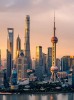
Private Guide in Shanghai - Mayfer
(Member Since 2018) Languages: English, Arabic, ChineseThis is Mayfer. I'm a licensed English tour guide in Shanghai since 2007. After having worked in top-class hotels and travel agency with awards almost 5 years. Opening a Bike Tour travel agency since 2012. Our guided Shanghai bike tours aside from regular tours that cover all the popular tourist's spots. We are specialized focused on suggesting and showing off-the-beaten-road attractions based on your personal interest. The bunch of hidden gems of Shanghai is there for you to unfold.
Private Guide in Shanghai - Minmin
(Member Since 2008) Excursions/tous in the following cities: Shanghai Languages: English, Chinese, German, SpanishMin Min is a private tourist guide in Shanghai with over 5 years of experience in the domain. Born and raised in this city, she knows all the best locations and activities that will interest different kinds of tourists. Min Min will help you get around the city of Shanghai, being your trustful guide and interpreter, which is very helpful for visitors from such countries as the USA, UK, Italy, Germany, Sweden, Australia, New Zealand and others, who tend to be her main clients.
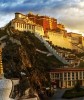
Private Guide in Lhasa - Phurbu
(Member Since 2017) Languages: English, ChineseI am working as tour guide for more than 5 years in Lhasa and nearby area in Tibet. I have specialize in Tibetan history and Chinese relation. Tibet as being mystic and uneasy to get in without any help from Local Travel agency.

Private Guide in Shanghai - Rafael
(Member Since 2023) Languages: Chinese, EnglishMy previous works cut similarities with investigative journalism, but right now, I am mostly dedicated to psychology-related work in addition to part time tour guiding with domestic and international tourists...

Private Guide in Harbin - Samantha
(Member Since 2016) Languages: English, ChineseI'm a Harbin native with an excellent level of spoken English and I want to show you Harbin in a way you'll remember. If you are family trip or group trip , It is better to find me , because I have more experiences with family trip and group trip. I like children and people. Also my business vehicle car is comfortable for you and your family and I can help you arrange the entrance tickets with my license and paperwork.
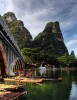
Private Guide in Guilin - Shandy
(Member Since 2016) Languages: Chinese, English, Hebrew, RussianMy name is Shandy, I'm a licensed professional travel guide in Guizhou, Yunnan, Guilin and Yangshuo areas. I have been in tourism business for 16 years, started as a tour guide and now I run my own travel company. I work extensively with European travel companies, world class photographers and independent travelers. My colleagues and I design tours for you in tune with your individual interests and ideas.

Private Guide in Zhengzhou - Shane
(Member Since 2016) Languages: EnglishHello, I'm Shane. I am an English speaking tour guide. I come from Luoyang city, Henan Province. I am now living in Luoyang, one of the 8 ancient capital cities in China. I became a local guide since the year 2006 after I graduated from the Luoyang Normal College. My major in the college was Hotel and Tourism Management.So, I used to be the local guide for many of the tourists from all over the world who speaks English for around more than 10 years.

Private Guide in Beijing - Sunny
(Member Since 2016) Languages: EnglishAs a licensed International Tour Guide I have taken groups to Thailand and South Korea. I reside in Beijing and would love to share my knowledge of popular sites such as the Tiananmen Square, Forbidden City, and Great Wall etc. But, I am prepared to take you to places such as the old Hutong district, the market place, local restaurants, and help you to savor the current culture embedded in this ancient city! I will bring these historical monuments alive to you by framing it in the context of my knowledge of this remarkable country.
Popular tours in China
-
-
-
Culture and History tour in Shanghai
 Featured Activities
Tour Duration Counted On Picks (50RMB / Program On Average)
 Max 8 Hours (2 Hours each Program, 3 Programs / Day)
 -
Private tour in Shanghai
 Private China Tour Starts from Shanghai Ends in Hong Kong (price is average daily price)
 Hongkong, Guilin, LeShan, Chengdu, Xi`an, Beijing, Suzhou, Hangzhou, Shanghai
Tour Duration$38018 days
-



















 Xi'an City Wall, Xi`an
 The Terracotta Army, Xi`an
 Summer Palace, Beijing
 The Great Wall of China, Beijing
 Yu Garden, Shanghai
 The Forbidden City & the Imperial Palace, Beijing
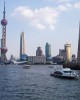
 Shanghai's Promenade: The Bund, Shanghai
 the Water Towns in Suzhou and Shanghai, Suzhou
 The Bund, Shanghai
 the Classical Gardens of Suzhou, Suzhou