

 French
 Spanish
 Russian
African - Private Guide in Nairobi
Member Since 2005Lamu, Island Sojourn
Private tour in Nairobi
Languages:
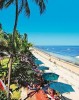
Lamu, Town, Island and Archipelago, all of the same name, lie 2 degrees below the Equator on Kenya's northern coast. The archipelago is a chain of Islands separated from the mainland by a narrow channel bordered with dense mangrove forest and protected from the Indian Ocean by coral reefs and large sand dunes. The island has been a port of varying importance for thousands of years, in the 2nd century, the Greeks knew of this coast and called it Azania and later, in the 9th and 10th centuries Arab and Persian traders and settlers called it Bilad-al-Zenj. Their small settlements grew into fiercely independent city-states, which brought forth a distinct Arab-African culture called Swahili.
A thousand years of trade, settlement and Islamic expansion has resulted in the people of Lamu being devout followers of Islam and the town is a place of religious pilgrimage where Muslims from all over eastern Africa gather every year to celebrate Maulidi, the Prophet's birthday. Lamu is remote even by Kenyan standards. There are no cars on the island and a way of life from and earlier age is still intact.
A short boat ride from the town of Lamu is Peponi, a small hotel established in 1967 by the Korschen family, who still run it today. The hotel is a collection of small buildings scattered through gardens and following the line of the coast. Small and personal, it is the perfect rest after a safari or a hide away holiday from modern life.
Additional information
| Tour information: | |
| Tour package includes: | |
| Airport Transfer : | NO |
| Hotel pick-up: | NO |
| Drop-off : | NO |
| Tour Transportation (car, van, limo, boat, etc…): | NO |
| Food and Drinks : | NO |
| Other services (fees apply): | |
| Attraction tickets (concerts, theater, museum, circus...) : | NO |
| Translation services : | NO |
| Reservations (hotels, restaurants, airline) : | NO |
| Visa support : | NO |
| Additional information: | |
| This tour must be booked at least 7 days in advance of your travel date : | NO |
| Tour groups must include a minimum of 2 passengers : | NO |
| Tour prices are flexible and based on your requirements : | NO |
OFFERED TOURS: