

 French
 Spanish
 Russian
Private guides and guided tours in Macedonia, Former Yu
Private guides in Macedonia, Former Yu

Private Guide in Ohrid - Alberta
(Member Since 2011) Excursions/tous in the following cities: Ohrid Languages: english, italianOhrid based guide operating throughout Macedonia on request. Easy going and laid back person who will still provide you with all the needed informations regarding cultural and natural heritage of this small but precious peace of land with the glorious past, nowadays narrowed in a great measure compared to the geographical region of Macedonia stretching out in the neighbouring countries of Greece and Bulgaria.
Private Guide in Skopje - Stefan
(Member Since 2008) Excursions/tous in the following cities: Skopje Languages: English"Visit Macedonia" is established in Skopje, Macedonia, in the heart of the Balkans, as an incoming tour operator and travel consultancy, focused exclusively on travel within Macedonia and Balkan region...

Macedonia, Former Yu
Language: Macedonian
Currency: Macedonian denar (MKD)
Calling Code: +389
COMMENTS ABOUT Macedonia, Former Yu:
The Former Yugoslav Republic of Macedonia (FYROM), not to be confused with a region of Greece, is a landlocked southern European country located on the central Balkan Peninsula, sharing borders with Greece as well as with Albania, Kosovo, Serbia and Bulgaria. Macedonia’s climate is variable depending on which region you’re in, but for the most part the weather is dry and warm in summer, cold and wet in winter.
Macedonia welcomes visitors with an abundance of natural beauty and a plethora of historical and cultural landmarks to explore. Begin by visiting the Ancient Aqueduct located near the capital city, Skopje, in the village of Vizbegovo. Situated in an extremely picturesque landscape, the aqueduct has been part of the scenery here since ancient times.
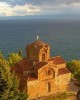
The St. Joakim Osogovski Monastery is a beautiful 12th century church located on green hills in a mountain paradise. Its Church of the Holy Mother of God is filled with impressive icons and frescoes. The Old Town of Ohrid offers many fascinating historical sites, such as the Historic Church of Saint Panteleimon with its unique Byzantine detail and many nearby archaeological excavations.
Macedonia’s nature-loving visitors will love fishing and boating on Lake Ohrid and some of the country’s other beautiful bodies of water, such as deep, blue Orestias Lake where the scenic, red-roofed village of Kastoria is located.

 €549
€549 8 days

 Bitola, Ohrid, Skopje