

 French
 Spanish
 Russian
Private guides and guided tours in Iceland
Private guides in Iceland
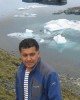
Private Guide in Reykjavik - Amallay
(Member Since 2006) Excursions/tous in the following cities: Reykjavik, Selfoss Languages: English, French, IcelandicI am an official Icelandic tourist guide. I operate as a driver-guide for individuals and small groups. I have very good knowledge about Iceland and its people, and I speak English, French, Arabic and Icelandic. My driver's license allows me to operate as a driver-guide.
Private Guide in Reykjavik - Bjorn
(Member Since 2013) Languages: EnglishMy goal is to make every scheduled tour equal to the private tour and fill you in with information about Icelandic nature, history, news, things to do and to help you with finding the way to explore this unique country in your way. It will be great if you will become the part of my service. Why Hire a Personal Guide in Reykjavik Iceland?
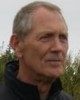
Travel Agency in Reykjavik - Bragi
(Member Since 2009) Excursions/tous in the following cities: Reykjavik Languages: EnglishMost of the private guides in Reykjavik also note the midnight sun during the summertime. All the members of our company support the preservation and protection of the natural beauty of Iceland. Mr. Bragi Ragnarsson is the head of the company. He is also a licensed guide, a professional driver, and a hiking guide. We offer a wide range of sightseeing tour in Iceland. Our main priority is to make your stay in Iceland unforgettable and most interesting.

Iceland
Language: English
Currency: Icelandic krona (ISK)
Calling Code: +354
COMMENTS ABOUT Iceland:
The island country of Iceland is located along the volcanically active Mid-Atlantic Ridge, where the North Atlantic converges with the Arctic Ocean just slightly below the Arctic Circle. Iceland’s interior is covered in mountains and glaciers, with a climate that is generally cold and variable with frequent precipitation, although its coasts are warmed by the Gulf Stream . Lava caves, waterfalls, geysers and hot springs supply an abundance of natural beauty in a landscape that in many places can appear somewhat barren.
There are only about 320,000 people living in Iceland, and over two thirds of them live in Reykjavik, the world’s northernmost capital city. Reykjavik is also the location for many of the country’s tourist attractions, including the city’s most notable landmark, the Perlan. This uniquely designed restaurant rotates under a glass dome perched atop the city’s tallest natural hot water tower. The Perlan viewing platform offers an incredible view of the city and its surroundings.
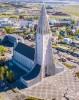
Viking history is an important part of Icelandic culture, and both the National Museum and the Saga Museum of Reykjavik provide a fascinating glimpse into the history of Iceland. The steeple of the magnificent Hallgrimskirkja Church can be seen from all over the city, and a statue of Lief Ericson stands on the grounds.
Whale watching, shopping, hiking the glaciers and partying in Reykjavik nightclubs are all interesting activities enjoyed by visitors to Iceland.

Private Guide in Reykjavik - Stefan
(Member Since 2009) Excursions/tous in the following cities: Reykjavik Languages: EnglishGreetings from Iceland! Stefan is a licensed private guide in Iceland and also a professional driver, whose motherland is Reykjavik, Iceland. Stefan offers a wide range of guided tours in Reykjavik: it may be a walking tour, on bicycle, car, van or any other vehicle depending on the number of people in the group and your needs. It is worth noting that Stefan is a university professor, who lectures two subjects directly related to tourism: geography and hiking and guiding. If you are interested, you may take a course in the University of Holar, and the University of Iceland.
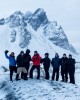
Private Guide in Reykjavik - Tony
(Member Since 2010) Excursions/tous in the following cities: Reykjavik Languages: EnglishI am an Englishman who is passionate about landscape photography and Icelandic nature. I run a photo tour company providing pro photographer guides.
Popular tours in Iceland
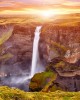
 upon request
 4 days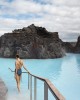
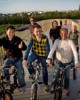
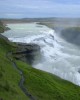
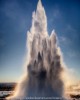
 Geysir, Reykjavik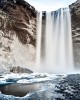
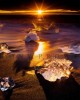
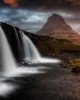
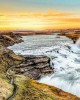
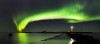 Northern lights and lighthouse, Reykjavik, Grotta Lighthouse
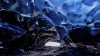 Ice cave, Vatnjцkull National Park
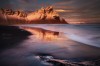 Vestrahorn mountain, Vestrahorn East Iceland
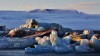 Gold on blue, Jцkulsarlon glacier lagoon
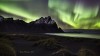 Northern lights over Vestrahorn, Vestrahorn Mountain East Iceland
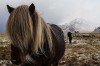 Icelandic horse, Vik, Horse farm South coast
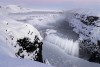 Gullfoss waterfall in winter, Reykjavik