


 French
 Spanish
 Russian
: Tours and Excursion
Akshardham Temple
The Akshardham Temple is a Hindu temple complex in Delhi, India. It showcases traditional Hindu and Indian culture, spirituality, and architecture. The temple was officially opened in 2005 and is one of the largest Hindu temples in the world.
History & Origins
The temple was built by the Bochasanwasi Akshar Purushottam Swaminarayan Sanstha (BAPS) and is dedicated to Swaminarayan, a revered figure in Hinduism. The construction took five years and involved over 11,000 artisans and volunteers.
The temple's design is inspired by ancient Hindu scriptures and architectural styles, particularly the Vastu Shastra and Shilpa Shastra. It is made entirely of pink sandstone and white marble, with no steel or concrete used in its construction.
The temple complex includes a central monument, exhibition halls, a musical fountain, and lush gardens. It attracts millions of visitors annually, both for religious and tourist purposes.
Architecture & Features
The main monument of Akshardham Temple stands 141 feet tall, 316 feet wide, and 370 feet long. It features 234 ornately carved pillars, 9 domes, and 20,000 statues of Hindu deities, sages, and other figures.
The temple's interior is equally impressive, with intricate carvings depicting scenes from Hindu mythology. The central shrine houses a golden statue of Swaminarayan, surrounded by other deities.
Legends & Facts
1. The temple's construction used stone-carving techniques that date back thousands of years, preserving ancient craftsmanship.
2. The complex includes a boat ride that takes visitors through 10,000 years of Indian history, showcasing the country's cultural and scientific achievements.
3. The temple's musical fountain, known as the 'Yagnapurush Kund,' is the largest stepwell in India and features a nightly light and sound show.
Tourist Tips
Visitors should start at the main monument, then explore the exhibition halls and gardens. The boat ride and musical fountain are must-see attractions.
Nearby
- India Gate - A war memorial dedicated to Indian soldiers.
- Lotus Temple - A Bahai House of Worship known for its flower-like architecture.
- Red Fort - A historic fort that served as the main residence of Mughal emperors.
- Qutub Minar - A UNESCO World Heritage Site and the tallest brick minaret in the world.
- Humayun's Tomb - Another UNESCO site, it is the tomb of the Mughal Emperor Humayun.
Practical FAQ for Travelers
What are the opening hours?
The temple is open from 9:30 AM to 6:30 PM, Tuesday to Sunday. It is closed on Mondays.
Is there an entrance fee?
Yes, there is a nominal fee for entry, with additional charges for the exhibition halls and boat ride.
What is the best time to visit?
Early mornings or late afternoons are ideal to avoid crowds and enjoy the temple's serene atmosphere.
Is photography allowed?
Photography is prohibited inside the temple complex, but you can take pictures of the exterior.
Are there any dress code requirements?
Visitors are expected to dress modestly, covering shoulders and knees. Shoes must be removed before entering the temple.
Akshardham Temple: Private tours and Excursions.
-

Excursion in Delhi - Golden triangle tour
GOLDEN TRIANGLE TOUR DELHI - JAIPUR - AGRA - DELHI Day 01: DELHI Meeting at the airport and transfer to the hotel. After a rest, a sightseeing tour
Quick tours search
Tour Categories
- Any tour category
- Adventure tour
- Arts and Crafts tour
- Boating and Sailing tour
- Children's tour
- Culture and History tour
- Diving tour
- Eco and Wildlife tour
- Excursion
- Expedition
- Fishing tour
- Gourmet & Cooking tour
- Hiking tour
- Hunting tour
- Jeep tour
- Private tour
- Railway trip
- Safari
- Shopping tour
- Sightseeing Nature tour
- Trekking tour
- Walking tour
- Wine tasting tour
Private Guide in China

Harris
Private Guide in Shanghai
Looking for the best guide to take you through the beautiful city of Shanghai? Harris is just the man you need! Read more
Tour in United States
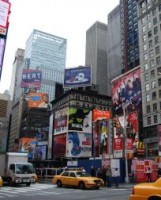
Private tour in New York
We will stop on our tour for pizza and at Roccos famous Italian bakery. See the brownstones, and sights where tv shows like Friends and Sex and The City were filmed. From Greenwich Village we head to the east village to visit Washington Square Park, New York University, and then make our way to Soho. Read more