


 French
 Spanish
 Russian
: Tours and Excursion
Attention!!! There are tours with discounts.
Andasibe National park
Andasibe National park is a protected area in eastern Madagascar, renowned for its biodiversity and endemic species. The park is home to the iconic indri, the largest living lemur, whose distinctive calls echo through the rainforest. The lush vegetation includes primary and secondary forests, with a rich variety of orchids, palms, and ferns.
History & Origins
Established in 1989, Andasibe National park was created to protect the unique flora and fauna of the region. The park is part of the larger Andasibe-Mantadia protected area, which includes the Mantadia National Park. The region has long been recognized for its ecological significance, attracting researchers and conservationists from around the world.
Architecture & Features
The park features well-maintained trails that wind through dense rainforest, offering visitors the chance to observe wildlife up close. Key attractions include the Indri Special Reserve, where visitors can hear the haunting calls of the indri at dawn. The park also has a visitor center with educational exhibits about the local ecosystem.
Legends & Facts
One fascinating fact about the park is that the indri lemurs are considered sacred by local communities, and their presence is believed to bring good fortune. Another interesting aspect is the park's role in conservation efforts, particularly for the critically endangered golden bamboo lemur.
Tourist Tips
Visitors should wear sturdy hiking shoes and bring rain gear, as the weather can be unpredictable. Early morning is the best time to spot wildlife, especially the indri lemurs. Guided walks are available, but independent exploration is also possible.
Nearby
- Mantadia National Park - A larger protected area with more rugged terrain and additional lemur species.
- Vakona Forest Lodge - A nearby eco-lodge offering comfortable accommodations and guided tours.
- Analamazaotra Special Reserve - A smaller reserve within the Andasibe-Mantadia complex, ideal for shorter visits.
- Peyrieras Reptile Reserve - A private reserve showcasing Madagascar's unique reptiles and amphibians.
- Andasibe Village - A small town with local markets and cultural experiences.
Practical FAQ for Travelers
What is the best time to visit?
The dry season (April to November) is ideal for wildlife spotting, as animals are more active and trails are less muddy.
Are there entrance fees?
Yes, entrance fees apply and vary depending on the duration of the visit and whether a guide is hired.
Is the park accessible for children?
Yes, but some trails may be challenging for very young children. The shorter trails are more suitable for families.
Can I take photos?
Yes, photography is allowed, but flash photography is prohibited as it can disturb the wildlife.
Are pets allowed?
No, pets are not allowed in the park to protect the native wildlife.
Andasibe National park: Private tours and Excursions. Hurry up and book a tour with a discount.
-
Special Offer!
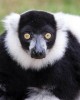
Eco and Wildlife tour in Antananarivo - Safari lemurs throgh the Rainforest in Madagascar
Lemurs are the world’s most endangered primates. Currently 33 lemur species are critically endangered with 103 of the 107 surviving species thre
Quick tours search
Tour Categories
- Any tour category
- Adventure tour
- Arts and Crafts tour
- Boating and Sailing tour
- Children's tour
- Culture and History tour
- Diving tour
- Eco and Wildlife tour
- Excursion
- Expedition
- Fishing tour
- Gourmet & Cooking tour
- Hiking tour
- Hunting tour
- Jeep tour
- Private tour
- Railway trip
- Safari
- Shopping tour
- Sightseeing Nature tour
- Trekking tour
- Walking tour
- Wine tasting tour
Private Guide in Morocco

Mustapha
Private Guide in Marrakech
My name is Mustapha. I am your guide and will support you during the tour. I promise you are going to enjoy your stay here in Morocco. This is a beautiful, quiet country where ... Read more
Tour in United States
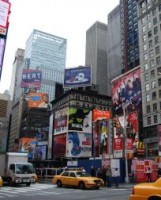
Private tour in New York
We will stop on our tour for pizza and at Roccos famous Italian bakery. See the brownstones, and sights where tv shows like Friends and Sex and The City were filmed. From Greenwich Village we head to the east village to visit Washington Square Park, New York University, and then make our way to Soho. Read more