


 French
 Spanish
 Russian
: Tours and Excursion
History & Origins
The Bani river has been a vital waterway for the people of Mali for centuries. It has supported agriculture, fishing, and trade in the region. The river is also associated with the history of the Mali Empire, which was one of the largest and most powerful empires in West Africa.
The Bani river is formed by the confluence of the Baoulй and Bagoй rivers near the town of Bougouni. It flows northward, eventually joining the Niger River near the city of Mopti.
Throughout history, the Bani river has been a source of sustenance and inspiration for the local communities, who have developed unique cultural practices and traditions centered around the river.
Architecture & Features
The Bani river is characterized by its meandering course and fertile floodplains. The river's flow varies seasonally, with the rainy season causing significant flooding. This natural phenomenon has shaped the landscape and influenced the agricultural practices of the people living along its banks.
The river is surrounded by diverse ecosystems, including wetlands, savannas, and forests. These habitats support a variety of wildlife, including birds, fish, and mammals.
Legends & Facts
One of the most enduring legends about the Bani river is that it is believed to be the home of water spirits, who are said to protect the river and its inhabitants.
The Bani river is also known for its role in the annual Festival of the Niger, which celebrates the river's cultural and economic importance. The festival features traditional music, dance, and boat races.
The river has been a source of inspiration for many Malian artists and musicians, who have celebrated its beauty and significance in their works.
Tourist Tips
Visitors to the Bani river can enjoy boat tours that offer a unique perspective of the river's landscapes and wildlife. The best time to visit is during the dry season when the water levels are lower, and the weather is more favorable for outdoor activities.
It is advisable to bring sunscreen, insect repellent, and comfortable clothing for a day on the river. Local guides can provide valuable insights into the river's history and ecology.
Nearby
- Mopti: A city in Mali known as the 'Venice of Mali' due to its location at the confluence of the Bani and Niger rivers.
- Djennй: A historic town famous for its UNESCO-listed Great Mosque and traditional mud-brick architecture.
- Sйgou: A city on the Niger River known for its vibrant cultural scene and colonial architecture.
- Bamako: The capital city of Mali, located on the Niger River.
- Timbuktu: A historic city in Mali known for its ancient manuscripts and architecture.
Practical FAQ for Travelers
What is the best time to visit the Bani river?
The best time to visit is during the dry season, from November to March, when the weather is cooler and the water levels are lower.
Are there boat tours available on the Bani river?
Yes, boat tours are available in various locations along the river, offering scenic views and wildlife spotting opportunities.
Is it safe to swim in the Bani river?
Swimming is not recommended due to the presence of wildlife such as crocodiles and hippopotamuses.
What should I wear for a visit to the Bani river?
Wear lightweight, breathable clothing, and bring sunscreen and insect repellent.
Are there any entrance fees for visiting the Bani river?
There are no entrance fees for visiting the river itself, but boat tours and other activities may have associated costs.
Can I bring children on a boat tour of the Bani river?
Yes, boat tours are family-friendly, but ensure children are supervised at all times.
Bani river: Private tours and Excursions.
-
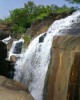
Culture and History tour in Ouagadougou - 15 Burkina Faso and Mali tour
Day 1: Arrival, welcome, diner and night at Sofitel. Day 2: Departure for Manega and its Bendrologie museum (drums’ language), ethnological trea
Quick tours search
Tour Categories
- Any tour category
- Adventure tour
- Arts and Crafts tour
- Boating and Sailing tour
- Children's tour
- Culture and History tour
- Diving tour
- Eco and Wildlife tour
- Excursion
- Expedition
- Fishing tour
- Gourmet & Cooking tour
- Hiking tour
- Hunting tour
- Jeep tour
- Private tour
- Railway trip
- Safari
- Shopping tour
- Sightseeing Nature tour
- Trekking tour
- Walking tour
- Wine tasting tour
Private Guide in Fiji
Ben
Private Guide in Nadi
This is where you experience the lively sunshine and smiling faces of the Fijian people. Come join me and experience for yourself that Fiji is the place to be. Read more
Tour in Kenya

7-Day Explore Wildlife Samburu Great Rift Valley Lakes
Safari in Nairobi
Samburu National Reserve is situated about 350 kms north of Nairobi in the semi arid part of Kenya. Ewaso Nyiro River, bisects the reserve and the river is home to some of the biggest Reptiles in the region and attracts a good number of birds.
Read more