


 French
 Spanish
 Russian
: Tours and Excursion
Attention!!! There are tours with discounts.
The Bardo National Museum, located in Tunis, Tunisia, is one of the most important museums in the Mediterranean region. It houses an extensive collection of artifacts from Tunisia's rich history, including Roman mosaics, Islamic art, and prehistoric relics. The museum is housed in a former palace, adding to its historical and architectural significance.
History & Origins
The Bardo National Museum was established in 1888 in the 13th-century Hafsid palace. The museum's collection spans various periods of Tunisian history, from prehistoric times to the Islamic era.
The museum has undergone several renovations and expansions over the years, including a major renovation in 2012 to modernize its facilities and enhance the visitor experience.
Architecture & Features
The museum is housed in a beautifully preserved palace, featuring intricate tilework, ornate ceilings, and grand halls. The architecture reflects the Islamic and Ottoman influences prevalent in Tunisia.
The museum's layout is designed to guide visitors through different historical periods, with each section showcasing artifacts from a specific era.
Legends & Facts
The Bardo National Museum is renowned for its collection of Roman mosaics, which are among the finest in the world. These mosaics depict scenes from daily life, mythology, and history, providing valuable insights into Roman culture.
The museum also houses a significant collection of Islamic art, including ceramics, textiles, and manuscripts.
Tourist Tips
Visitors to the Bardo National Museum should allocate at least 2-3 hours to explore the extensive collection. Guided tours are available and recommended for a more in-depth understanding of the exhibits.
The museum is easily accessible by public transportation, and there are cafes and gift shops on-site.
Nearby
- Carthage: Ancient ruins of the once-great city of Carthage.
- Sidi Bou Said: A picturesque village known for its blue and white architecture.
- Medina of Tunis: A UNESCO World Heritage site with historic mosques and markets.
- Zitouna Mosque: One of the oldest mosques in Tunisia.
- Dar Ben Abdallah Museum: A museum showcasing Tunisian traditional life.
Practical FAQ for Travelers
Is there an entrance fee?
Yes, the entrance fee is around 10 Tunisian Dinar.
What is the best time to visit?
Morning hours are less crowded, providing a more leisurely experience.
How long should I spend at the museum?
Plan to spend at least 2-3 hours to fully explore the exhibits.
Can I take photos?
Photography is allowed, but flash photography is prohibited.
Is the museum accessible for kids?
Yes, the museum is family-friendly, with exhibits that can be enjoyed by all ages.
Why is a private guide recommended?
A private guide can provide detailed explanations of the exhibits and historical context, enhancing your visit.
Bardo National Museum: Private tours and Excursions. Hurry up and book a tour with a discount.
-
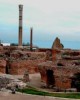
Culture and History tour in Tunis - Full Day Tunis Tour :Carthage-Sidi Bou Saпd –Bardo Museum-Tunis(Mйdina)
Enjoying your vacation in Tunis and willing to discover the most peculiar places this city has to offer? With this private tour in Tunis you w -
Culture and History tour in Sousse - North-South-Adventure travel
Get ready for one of the most comprehensive and diverse private tours Tunis can offer! With this four day discovery trip you will get to dis -
Special Offer!
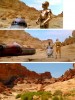
Culture and History tour in Djerba - On the path of Star Wars.
This tour is mainly planned for Star Wars fans.it explores Tunisia from Djerb to Tunis focusing on the most beautiful filming locations of this famous
Quick tours search
Tour Categories
- Any tour category
- Adventure tour
- Arts and Crafts tour
- Boating and Sailing tour
- Children's tour
- Culture and History tour
- Diving tour
- Eco and Wildlife tour
- Excursion
- Expedition
- Fishing tour
- Gourmet & Cooking tour
- Hiking tour
- Hunting tour
- Jeep tour
- Private tour
- Railway trip
- Safari
- Shopping tour
- Sightseeing Nature tour
- Trekking tour
- Walking tour
- Wine tasting tour
Private Guide in Belgium

Mike
Private Guide in Brussels
40 years of tourism and hotel business experience. Private guide Mike is devoted to providing his guests with a memorable experience that exceeds all their expectations. Read more
Tour in United States
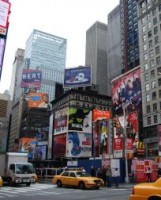
Private tour in New York
We will stop on our tour for pizza and at Roccos famous Italian bakery. See the brownstones, and sights where tv shows like Friends and Sex and The City were filmed. From Greenwich Village we head to the east village to visit Washington Square Park, New York University, and then make our way to Soho. Read more