


 French
 Spanish
 Russian
: Tours and Excursion
Attention!!! There are tours with discounts.
Bran Castle
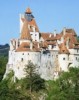
Bran Castle, often associated with the legend of Dracula, is a historic fortress located in the Carpathian Mountains of Romania. Built in the 14th century, the castle served as a strategic military stronghold and later as a royal residence. Its Gothic architecture and dramatic hilltop setting make it one of Romania's most iconic landmarks.
History & Origins
The castle was constructed in 1377 by the Saxons of Kronstadt (modern-day Brasov) as a defense against the Ottoman Empire. It played a crucial role in protecting the trade routes between Transylvania and Wallachia. In 1920, the castle was gifted to Queen Marie of Romania, who transformed it into a royal summer residence.
During the communist era, the castle was confiscated by the state and fell into disrepair. After the Romanian Revolution in 1989, it was returned to the heirs of Queen Marie and has since been restored and opened to the public.
Architecture & Features
Bran Castle features a mix of Gothic and Renaissance architectural elements. The castle's narrow corridors, secret passages, and towering turrets create a labyrinthine experience for visitors. The interior is furnished with period-appropriate furniture, tapestries, and artifacts from Queen Marie's era.
The castle's exterior is characterized by its whitewashed walls and red-tiled roofs, which contrast sharply with the surrounding forested mountains. The courtyard offers panoramic views of the surrounding landscape.
Legends & Facts
While Bran Castle is often linked to Bram Stoker's Dracula, there is no historical evidence that Vlad the Impaler (the inspiration for Dracula) ever lived here. However, the castle's eerie atmosphere and connection to Transylvanian folklore make it a popular destination for fans of the vampire legend.
One of the castle's most famous features is its secret staircase, which was discovered during renovations in the 1920s. The staircase leads from the courtyard to the upper floors, providing a quick escape route in case of attack.
Tourist Tips
Visitors should start their tour at the castle's entrance and follow the marked route through the various rooms and exhibits. The climb to the top of the tower is steep but offers stunning views of the surrounding countryside.
Nearby
- Brasov - A charming medieval city with a well-preserved old town and the Black Church.
- Rasnov Fortress - A 13th-century fortress with panoramic views of the Carpathian Mountains.
- Peles Castle - A stunning Neo-Renaissance castle in Sinaia, often considered one of the most beautiful in Europe.
- Poenari Castle - The actual fortress associated with Vlad the Impaler, located in the Arges region.
- Libearty Bear Sanctuary - A sanctuary for rescued bears near Zarnesti.
Practical FAQ for Travelers
What are the opening hours?
Bran Castle is open daily from 9:00 AM to 6:00 PM, with extended hours during the summer months.
What is the best time to visit?
The castle is less crowded in the early morning or late afternoon. Weekdays are generally quieter than weekends.
How long does a visit take?
A typical visit lasts about 1-2 hours, depending on how much time you spend exploring the exhibits.
Are photography and videography allowed?
Yes, photography for personal use is allowed, but tripods and professional equipment require special permission.
Is the castle accessible for visitors with mobility issues?
Due to the castle's historic nature, some areas are not wheelchair accessible. There are steep stairs and narrow passages.
Is there a dress code?
There is no formal dress code, but comfortable shoes are recommended due to the uneven surfaces and stairs.
Bran Castle: Private tours and Excursions. Hurry up and book a tour with a discount.
-
Trekking tour in Brasov - Bucegi Mountains
FIRST DAY: Start point Brasov city - Sinaia - Visit of Castle Peles (we'll stay overnight in tent or chalet depending on weather conditions). Trip tim -
Trekking tour in Brasov - Piatra Craiului Mountains
FIRST DAY: Start point Oradea , Cluj or Brasov - Bran - We are visiting Dracula castle (we'll stay overnight in tent or chalet depending on weather co -
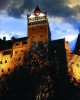
Culture and History tour in Oradea - Transilvania Bustour from Budapest
Transylvania Bustour from Budapest This Bustour is conceived to reach all the medieval castles from from Transilvania.The start point will be Budapest -
Special Offer!
Culture and History tour in Bucharest - 2025 Bucovina & Transylvania Explorer - Romania Private Tour Guide
2025 Bucovina & Transylvania Explorer: The Best Tour of Romania in 6 Days. Day 1: Bucharest to Bucovina Begin your Romania private tour with a mo -
Special Offer!
Culture and History tour in Bucharest - 2025 The Romanian Rhapsody Private Tour - The Original
Hunedoara Last Judgement Whole Sighisoara 2025 Tour Itinerary: Day 1: Bucharest ArrivalArrival to Coanda International Airport in -
Special Offer!
Culture and History tour in Brasov - 2025 Transylvania Day Tours
Morning pick up by your Romanian private tour guide (English speaking) at your hotel. Leave Bucharest for Sinaia - one of the famous Carpathian Mounta
Bran Castle: Tour Guides
-
Tour Guide in Brasov - Alina
My name is Alina and I a licensed national tour guide in Romania. I have more than a decade experience in both organizing and leading trips in my country and t
Quick tours search
Tour Categories
- Any tour category
- Adventure tour
- Arts and Crafts tour
- Boating and Sailing tour
- Children's tour
- Culture and History tour
- Diving tour
- Eco and Wildlife tour
- Excursion
- Expedition
- Fishing tour
- Gourmet & Cooking tour
- Hiking tour
- Hunting tour
- Jeep tour
- Private tour
- Railway trip
- Safari
- Shopping tour
- Sightseeing Nature tour
- Trekking tour
- Walking tour
- Wine tasting tour
Private Guide in Morocco

Mustapha
Private Guide in Marrakech
My name is Mustapha. I am your guide and will support you during the tour. I promise you are going to enjoy your stay here in Morocco. This is a beautiful, quiet country where ... Read more
Tour in Argentina
Culture and History tour in Buenos Aires
This is an extended version of the Buenos Aires' Highlights Tour! Read more