


 French
 Spanish
 Russian
: Tours and Excursion
Attention!!! There are tours with discounts.
History & Origins
Bulla Regia was established as a Berber town and later became a Roman colony during the reign of Emperor Augustus. The city flourished due to its agricultural wealth and strategic location.
During the Roman period, Bulla Regia was known for its innovative architecture, particularly the underground villas that provided relief from the hot climate.
The city declined after the Arab conquest in the 7th century and was eventually abandoned.
Architecture & Features
The underground villas of Bulla Regia are its most remarkable feature. These structures include courtyards, living spaces, and intricate mosaics.
The city also boasts a well-preserved theater, public baths, and a forum, showcasing Roman urban planning.
Legends & Facts
One of the mosaics in Bulla Regia depicts the myth of Orpheus charming animals with his music.
The city's name, 'Bulla Regia,' translates to 'Royal Bull,' possibly referencing its importance in the region.
Archaeologists have discovered evidence of early Christian communities in Bulla Regia.
Tourist Tips
Start your visit at the theater, then explore the underground villas. Wear comfortable shoes and bring water, as the site involves walking on uneven terrain.
Nearby
- Jendouba: A nearby city with markets and local cuisine.
- Dougga: Another ancient Roman city with impressive ruins.
- Ain Draham: A mountain town known for its forests and hiking trails.
- Tabarka: A coastal town famous for its coral reefs and beaches.
- Kef: A historic town with a fortress and scenic views.
Practical FAQ for Travelers
What are the opening hours?
Bulla Regia is open daily from 9 AM to 5 PM.
Is there an entrance fee?
Yes, the entrance fee is 10 Tunisian Dinar.
What is the best time to visit?
Early morning or late afternoon to avoid the midday heat.
Are pets allowed?
Pets are not allowed on the site.
Is the site accessible for people with disabilities?
Accessibility is limited due to uneven terrain and underground structures.
What should I wear?
Wear comfortable clothing and sturdy shoes suitable for walking on uneven surfaces.
Bulla Regia: Private tours and Excursions. Hurry up and book a tour with a discount.
-
Culture and History tour in Bulla Regia - Hidden treasures Of Tunisia
Ideal itinerary led by professionals Tourguide and driver to explore best hidden treasures of Tunisia . We explore most famous Roman attractions and -
Culture and History tour in Sousse - North-South-Adventure travel
Get ready for one of the most comprehensive and diverse private tours Tunis can offer! With this four day discovery trip you will get to dis -
Special Offer!
Culture and History tour in Djerba - On the path of Star Wars.
This tour is mainly planned for Star Wars fans.it explores Tunisia from Djerb to Tunis focusing on the most beautiful filming locations of this famous -
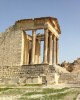
Culture and History tour in Dougga - splendours Of Tunisia
Touring Tunisia with a professional tour guide providing an AC/ New transportation and professional driver is the basic of a succesful travel ex
Quick tours search
Tour Categories
- Any tour category
- Adventure tour
- Arts and Crafts tour
- Boating and Sailing tour
- Children's tour
- Culture and History tour
- Diving tour
- Eco and Wildlife tour
- Excursion
- Expedition
- Fishing tour
- Gourmet & Cooking tour
- Hiking tour
- Hunting tour
- Jeep tour
- Private tour
- Railway trip
- Safari
- Shopping tour
- Sightseeing Nature tour
- Trekking tour
- Walking tour
- Wine tasting tour
Private Guide in Morocco

Mustapha
Private Guide in Marrakech
My name is Mustapha. I am your guide and will support you during the tour. I promise you are going to enjoy your stay here in Morocco. This is a beautiful, quiet country where ... Read more
Tour in United States
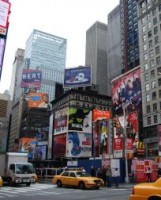
Private tour in New York
We will stop on our tour for pizza and at Roccos famous Italian bakery. See the brownstones, and sights where tv shows like Friends and Sex and The City were filmed. From Greenwich Village we head to the east village to visit Washington Square Park, New York University, and then make our way to Soho. Read more