


 French
 Spanish
 Russian
: Tours and Excursion
History & Origins
The Carthage aqueduct was constructed in the 1st century AD, during the reign of Emperor Hadrian. It was part of a larger network of aqueducts that supplied water to Roman cities across North Africa. The aqueduct was essential for the daily life of Carthage, providing water for public baths, fountains, and private homes.
The aqueduct's construction involved the use of local materials, including limestone and volcanic rock. The engineers employed advanced techniques to ensure the structure's durability and efficiency, such as the use of gravity to maintain water flow.
Over the centuries, the aqueduct fell into disrepair, but sections of it remain intact, offering a glimpse into the ingenuity of Roman engineering.
Architecture & Features
The Carthage aqueduct features a series of arches and tunnels that span the landscape. The arches are constructed from limestone blocks, carefully fitted together without the use of mortar. The tunnels are carved into the rock, allowing water to flow smoothly through the terrain.
The aqueduct's design includes a slight gradient to ensure a continuous flow of water from the source to the city. The structure also features inspection chambers and maintenance access points, demonstrating the Romans' attention to detail and practicality.
Legends & Facts
One of the most fascinating facts about the Carthage aqueduct is its ability to transport water over long distances with minimal loss. The Romans used a combination of gravity and precise engineering to achieve this feat.
Another interesting fact is that the aqueduct was part of a larger network that supplied water to several Roman cities in North Africa, highlighting the importance of water management in the Roman Empire.
Despite its age, the Carthage aqueduct remains a testament to the Romans' engineering prowess and their ability to create structures that stood the test of time.
Tourist Tips
Visitors to the Carthage aqueduct should wear comfortable shoes, as the terrain can be uneven. It is recommended to visit during the cooler parts of the day to avoid the heat.
The best way to explore the aqueduct is by following the path that runs alongside the structure, offering views of the arches and tunnels.
Nearby
- Carthage National Museum: A museum showcasing artifacts from ancient Carthage.
- Byrsa Hill: A historic site with ruins of ancient Carthage.
- Antonine Baths: Roman baths located near the aqueduct.
- Tophet of Carthage: An ancient burial site with stelae and inscriptions.
- Carthage Amphitheatre: A Roman amphitheater used for gladiatorial games.
Practical FAQ for Travelers
What are the opening hours?
The site is open from 9 AM to 5 PM daily.
Is there an entrance fee?
Yes, there is a small entrance fee of 5 Euro.
What is the best time to visit?
The best time to visit is during the cooler months, from October to April.
Are there guided tours available?
No, visitors explore the site independently.
Is the site accessible for children?
Yes, the site is family-friendly, but supervision is recommended due to uneven terrain.
Carthage aqueduct: Private tours and Excursions.
-
Culture and History tour in Tunis - Tunisia battelfields WWII
The history of Tunisia is rich with decisive WWII battles and intense military operations. Tunisia was the set for some of the most intense figh
Quick tours search
Tour Categories
- Any tour category
- Adventure tour
- Arts and Crafts tour
- Boating and Sailing tour
- Children's tour
- Culture and History tour
- Diving tour
- Eco and Wildlife tour
- Excursion
- Expedition
- Fishing tour
- Gourmet & Cooking tour
- Hiking tour
- Hunting tour
- Jeep tour
- Private tour
- Railway trip
- Safari
- Shopping tour
- Sightseeing Nature tour
- Trekking tour
- Walking tour
- Wine tasting tour
Travel Agency in Cuba

Stefano
Travel Agency in Havana
We are extremely professional! We won't simply drive you around as they will provide you all the information,tips and advices you may need during your holiday in Cuba Read more
Tour in Argentina
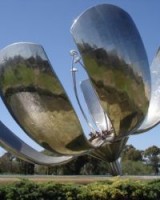
Culture and History tour in Buenos Aires
This is an extended version of the Buenos Aires' Highlights Tour! Read more