


 French
 Spanish
 Russian
: Tours and Excursion
Known as Teatro Colуn in Spanish, the Colуn Theatre is one of the most renowned opera houses in the world. Often compared to La Scala in Milan or the Metropolitan Opera House in New York, it is celebrated for its exceptional acoustics and opulent architecture. A private guide can help you uncover the hidden details of this cultural gem, from its intricate frescoes to its storied past.
History and Origins
The Colуn Theatre opened in 1908, replacing the original theater built in 1857. Designed by architects Francesco Tamburini, Vittorio Meano, and Jules Dormal, it reflects a blend of Italian and French styles. The theater has hosted legendary performers like Enrico Caruso and Maria Callas, cementing its place in global opera history.
Over the decades, the theater underwent several renovations, including a major restoration completed in 2010. This project aimed to preserve its historical integrity while modernizing its technical facilities. A private guide can provide insights into these transformations, highlighting the theater's evolution.
The Colуn Theatre has also played a pivotal role in Argentina's cultural life, serving as a venue for both classical and contemporary performances. Its stage has seen everything from operas and ballets to symphonies and zarzuelas, making it a cornerstone of Buenos Aires' artistic scene.
Architecture and Features
The theater's exterior boasts a neoclassical faзade, while the interior is a lavish display of gold leaf, marble, and stained glass. The main hall, with its horseshoe-shaped design, seats 2,487 people and is adorned with a stunning chandelier weighing over a ton.
The auditorium's ceiling features a breathtaking fresco by Argentine painter Raъl Soldi, depicting scenes from Greek mythology. The theater also houses a vast collection of costumes, props, and archival materials, which a private guide can help you explore in depth.
Legends and Interesting Facts
One of the most enduring legends is that the ghost of a former stagehand haunts the theater, often blamed for unexplained noises and mishaps. Another fascinating fact is that the theater's foundation rests on a network of underground tunnels, some of which were used to transport sets and performers.
The Colуn Theatre's acoustics are so precise that Luciano Pavarotti once claimed it was the best opera house in the world. Additionally, the theater's workshops produce all its costumes and sets in-house, a rarity among modern opera houses.
Tourist Experience and Tips
Visitors can take guided tours of the theater, which include access to the main hall, backstage areas, and the costume workshops. For the best experience, book a private guide who can tailor the tour to your interests, whether you're an opera aficionado or an architecture enthusiast.
Don't miss the chance to attend a performance if your visit coincides with the theater's season. Even if you're not an opera fan, the sheer grandeur of the venue is worth experiencing. Arrive early to explore the building's public spaces, including the Golden Hall and the Bust Gallery.
Nearby Attractions
- Obelisco de Buenos Aires: A iconic landmark symbolizing the city's founding.
- Plaza de Mayo: The historic square where Argentina's independence was declared.
- Palacio Barolo: A unique building inspired by Dante's 'Divine Comedy'.
- Galerнas Pacнfico: A shopping mall known for its stunning ceiling frescoes.
- MALBA: The Latin American Art Museum of Buenos Aires, showcasing modern masterpieces.
Practical FAQ for Travelers
Can I buy tickets online?
Yes, tickets for both performances and guided tours can be purchased online through the theater's official website.
What is the best time to visit?
The theater is open year-round, but the best time to visit is during the opera season from April to December.
How long does a full tour take?
A standard guided tour lasts about 50 minutes, but a private guide can extend this to cover more areas in detail.
Is photography allowed inside?
Yes, photography is permitted during tours, but flash and tripods are prohibited.
Why is a private guide recommended?
A private guide offers personalized insights and access to restricted areas, enhancing your understanding of the theater's history and architecture.
Is the theater wheelchair accessible?
Yes, the Colуn Theatre has ramps and elevators to accommodate visitors with mobility challenges.
Why Choose a Private Guide?
A private guide can unlock the secrets of the Colуn Theatre, from its hidden passages to its artistic masterpieces. With their expertise, you'll gain a deeper appreciation for this cultural landmark, making your visit truly unforgettable.
Colуn Theatre: Private tours and Excursions.
-

Culture and History tour in Buenos Aires - Buenos Aires City Tour
OPTION 1: A 4 hours tour to discover and travel around this fantastic city. A panoramic view of BA, going around the most traditional neighborhoo
Quick tours search
Tour Categories
- Any tour category in Buenos Aires
- Boating and Sailing tour in Buenos Aires
- Culture and History tour in Buenos Aires
- Excursion in Buenos Aires
- Gourmet & Cooking tour in Buenos Aires
- Hunting tour in Buenos Aires
- Private tour in Buenos Aires
- Sightseeing Nature tour in Buenos Aires
- Walking tour in Buenos Aires
- Wine tasting tour in Buenos Aires
Private Guide in Argentina

Angeles
Private Guide in Buenos Aires
My tours are full of interesting information, including historic facts, relevant political data, and all those funny anecdotes that make tours memorable. Read more
Tour in Argentina
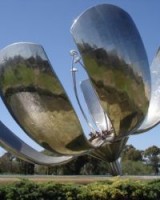
Culture and History tour in Buenos Aires
This is an extended version of the Buenos Aires' Highlights Tour! Read more