


 French
 Spanish
 Russian
Noto Italy : Tours and Excursion
Corso Vittorio Emanuele
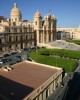
Corso Vittorio Emanuele is the main street in Noto, renowned for its Baroque architecture and vibrant atmosphere. This historic thoroughfare is lined with elegant buildings, churches, and palaces, making it a prime example of Sicilian Baroque style. The street is a central hub for both locals and tourists, offering a glimpse into the city's rich cultural heritage.
History & Origins
Corso Vittorio Emanuele was constructed in the early 18th century following the devastating earthquake of 1693, which destroyed much of Noto. The street was designed as part of the city's reconstruction plan, embodying the grandeur and opulence of the Baroque period. It was named after Vittorio Emanuele II, the first king of a unified Italy.
The street's layout and architecture were carefully planned to reflect the ideals of symmetry and harmony, characteristic of Baroque urban design. Over the centuries, Corso Vittorio Emanuele has remained a vital part of Noto's identity, hosting numerous cultural and social events.
Architecture & Features
The buildings along Corso Vittorio Emanuele showcase intricate facades, ornate balconies, and elaborate stone carvings. Notable structures include the Cathedral of Noto, the Palazzo Ducezio, and the Church of San Carlo Borromeo. Each building contributes to the street's cohesive aesthetic, with their warm golden hues and dramatic architectural details.
The street is also known for its lively atmosphere, with cafes, shops, and restaurants offering a taste of local Sicilian culture. The blend of historical grandeur and contemporary vibrancy makes Corso Vittorio Emanuele a must-visit destination for those exploring Noto.
Legends & Facts
One interesting fact about Corso Vittorio Emanuele is that it was designed to align with the setting sun during the summer solstice, creating a stunning visual effect. Another notable aspect is the street's role in Noto's annual Infiorata festival, where the pavement is adorned with elaborate flower mosaics.
Tourist Tips
To fully appreciate Corso Vittorio Emanuele, start at the Porta Reale gate and walk the entire length of the street, taking time to admire the architectural details and stop at local cafes. The best time to visit is in the early morning or late afternoon when the light enhances the golden hues of the buildings.
Nearby
- Cathedral of Noto - A stunning Baroque cathedral with a grand staircase.
- Palazzo Ducezio - A historic palace with a beautiful facade.
- Church of San Carlo Borromeo - Known for its intricate interior decorations.
- Infiorata Festival Site - The location of Noto's famous flower festival.
- Porta Reale - The grand entrance gate to Noto's historic center.
Practical FAQ for Travelers
What are the opening hours?
Corso Vittorio Emanuele is accessible 24/7, but individual shops and attractions have varying hours.
Is there an entrance fee?
No, the street itself is free to explore.
What is the best time to visit?
Early morning or late afternoon for the best lighting and fewer crowds.
Is it wheelchair accessible?
Yes, the street is paved and relatively flat.
Are pets allowed?
Yes, pets are allowed but must be kept on a leash.
Corso Vittorio Emanuele: Private tours and Excursions.
-
Culture and History tour in Noto - Full Day Tour in Noto Antica and Noto
The town of Noto is renowned for its exceptional Baroque heritage that inspired the Tuscan art critic Cesare Brandi to name it "Garden of Stone". Noto