


 French
 Spanish
 Russian
: Tours and Excursion
The Curonian Spit, a UNESCO World Heritage Site, is a unique natural wonder located in Lithuania. This narrow strip of land separates the Curonian Lagoon from the Baltic Sea and is renowned for its stunning landscapes, diverse wildlife, and rich cultural history. A private guide can help you explore the Spit's many attractions and provide in-depth knowledge about its ecological and historical significance.
History & Origins
The Curonian Spit has a long and fascinating history, dating back to prehistoric times. It was formed over thousands of years by the action of wind and waves, creating a unique landscape of sand dunes, forests, and wetlands.
The Spit has been inhabited by various cultures over the centuries, including the Curonians, a Baltic tribe known for their seafaring skills. The region's history is marked by periods of prosperity and decline, influenced by its strategic location and natural resources.
In the 19th century, the Spit became a popular destination for artists and writers, who were inspired by its natural beauty. Today, it is a protected area, recognized for its ecological importance and cultural heritage.
Architecture & Features
The Curonian Spit is characterized by its diverse landscapes, including towering sand dunes, dense forests, and pristine beaches. The Spit's unique geography has created a variety of habitats that support a wide range of plant and animal species.
One of the most iconic features of the Spit is the Great Dune Ridge, a series of massive sand dunes that offer breathtaking views of the surrounding area. The dunes are constantly shifting, shaped by the wind and weather.
The Spit is also home to several traditional fishing villages, where visitors can learn about the local culture and history. These villages have preserved their traditional architecture and way of life, offering a glimpse into the past.
Legends & Facts
One of the most famous legends of the Curonian Spit is the story of the 'Dancing Forest,' a mysterious grove of pine trees with twisted and contorted trunks. The cause of this phenomenon is still unknown, adding to the forest's mystique.
The Spit is also known for its rich birdlife, with over 300 species recorded in the area. It is a key stopover point for migratory birds, making it a paradise for birdwatchers.
Another interesting fact is that the Spit's sand dunes are among the highest in Europe, with some reaching heights of over 60 meters. These dunes are constantly changing, shaped by the forces of nature.
Tourist Tips
When visiting the Curonian Spit, it is recommended to start with a hike along the Great Dune Ridge to enjoy the stunning views. From there, explore the traditional fishing villages and learn about the local culture.
Consider hiring a private guide to get the most out of your visit. A knowledgeable guide can provide detailed information about the Spit's ecology and history, enhancing your experience.
Nearby
- Nida - A charming fishing village with traditional architecture.
- Thomas Mann Museum - Dedicated to the famous German writer.
- Amber Gallery - Featuring exquisite amber jewelry and artifacts.
- Curonian Lagoon - A serene body of water perfect for boating.
- Lithuanian Sea Museum - Explore the marine life of the Baltic Sea.
Practical FAQ for Travelers
What are the ticket prices?
Entry to the Curonian Spit National Park is free, but some attractions may charge a fee.
What is the best time to visit?
The best time to visit is during the summer months when the weather is warm and the landscapes are lush.
How long does a visit typically take?
A typical visit lasts about 4-6 hours, depending on your level of interest.
Are photos allowed?
Yes, photography is allowed throughout the Spit.
Is the Spit accessible for children?
Yes, the Spit offers family-friendly activities and easy hiking trails.
Why should I hire a private guide?
A private guide can provide personalized insights and detailed explanations, enhancing your overall experience.
Curonian Spit: Private tours and Excursions.
-
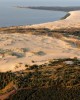
Sightseeing Nature tour in Nida - Curonian Spit
Curonian Spit It’s a place with its spectacular UNESCO scenery is the elite seaside resort of Lithuania. It spans a narrow peninsula merely 2 k
Curonian Spit: Tour Guides
-

Tour Guide in Vilnius - Giedrius
Hello and welcome! My name is Giedrius Cyras, and I am a licensed tourist guide based in Lithuania. I truly love my country and take great pride in sharing its
Quick tours search
Tour Categories
- Any tour category
- Adventure tour
- Arts and Crafts tour
- Boating and Sailing tour
- Children's tour
- Culture and History tour
- Diving tour
- Eco and Wildlife tour
- Excursion
- Expedition
- Fishing tour
- Gourmet & Cooking tour
- Hiking tour
- Hunting tour
- Jeep tour
- Private tour
- Railway trip
- Safari
- Shopping tour
- Sightseeing Nature tour
- Trekking tour
- Walking tour
- Wine tasting tour
Private Guide in Argentina

Angeles
Private Guide in Buenos Aires
My tours are full of interesting information, including historic facts, relevant political data, and all those funny anecdotes that make tours memorable. Read more
Tour in New Zealand
Private tour in Auckland
Looking forward to have some great time on the beach? Want to discover the fruitful wine industry of the Auckland area? Well, with this private tour in Auckland you will enjoy both these great activities during a single day! Read more