


 French
 Spanish
 Russian
: Tours and Excursion
Attention!!! There are tours with discounts.
Practical FAQ for Travelers
What is the best time to visit the Danakil Desert?
The best time to visit is during the cooler months from November to February, when temperatures are more bearable.
How long should I plan to stay?
A typical visit lasts 2-3 days, including travel time to and from the desert.
Is it safe to visit?
Visitors should travel with experienced guides due to the extreme conditions and potential volcanic activity.
What should I wear?
Wear lightweight, breathable clothing, sturdy footwear, and a hat for sun protection.
Are there any health concerns?
Stay hydrated and be aware of the risk of heatstroke due to the high temperatures.
History & Origins
The Danakil Desert has been a significant region for thousands of years, primarily due to its salt deposits, which were traded across the region. The Afar people, who inhabit the area, have a long history of salt mining and trade.
The desert's geological features, such as the Danakil Depression, were formed millions of years ago due to tectonic activity and the separation of the African and Arabian plates.
The region has been explored by various expeditions over the centuries, including those by European explorers in the 19th and early 20th centuries.
Architecture & Features
The Danakil Desert is known for its unique geological formations, including hydrothermal fields, salt flats, and active volcanoes. The hydrothermal fields are characterized by their vibrant colors, caused by mineral deposits and microbial activity.
The salt flats, known as the Dallol Depression, are vast expanses of white salt crusts that stretch across the desert floor. These flats are formed by the evaporation of water from the salt lakes.
Legends & Facts
The Danakil Desert is often referred to as the 'Gateway to Hell' due to its extreme heat and volcanic activity.
The Afar people have a rich cultural heritage and have lived in the region for centuries, adapting to the harsh environment.
The desert is home to one of the few persistent lava lakes in the world, located in the Erta Ale volcano.
Tourist Tips
Visit the Erta Ale volcano to see the lava lake, but be prepared for a challenging hike.
Explore the Dallol Depression to witness the colorful hydrothermal fields and salt formations.
Take a guided tour to ensure safety and to learn more about the region's geology and history.
Nearby
- Erta Ale Volcano: An active volcano with a persistent lava lake.
- Dallol Depression: A hydrothermal field known for its vibrant colors.
- Lake Afrera: A salt lake located in the Afar Region.
- Awash National Park: A national park known for its wildlife and waterfalls.
- Mekele: A city in northern Ethiopia and a gateway to the Danakil Desert.
Danakil Desert: Private tours and Excursions. Hurry up and book a tour with a discount.
-
Special Offer!
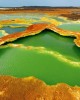
Adventure tour in Addis Ababa - Danakil Depresstion, Erta Ale and Dallol
(The Afar Depression or the Afar Triangle) is a geological depression, includes Afar Triple Junction, near the Horn of Africa, also a part of the Grea
Quick tours search
Tour Categories
- Any tour category
- Adventure tour
- Arts and Crafts tour
- Boating and Sailing tour
- Children's tour
- Culture and History tour
- Diving tour
- Eco and Wildlife tour
- Excursion
- Expedition
- Fishing tour
- Gourmet & Cooking tour
- Hiking tour
- Hunting tour
- Jeep tour
- Private tour
- Railway trip
- Safari
- Shopping tour
- Sightseeing Nature tour
- Trekking tour
- Walking tour
- Wine tasting tour
Private Guide in Greece
Angelo
Private Guide in Katerini
I can make your hiking, beach bar hopping and educational experience one of a kind! You will learn everything you ever wondered about this beautiful country. Read more
Tour in Kenya
14-Day Discover Masai Mara Amboseli Serengeti Ngorongoro crater Zanzibar Beach Safari
Safari in Nairobi
Lake Nakuru is famous for its millions of flamigoes and migrant birds from over the world; in Nakuru we have upto 425 different bird species. You will leave back to the hotel before dark for your dinner and overnight at you lodge Read more