


 French
 Spanish
 Russian
: Tours and Excursion
Attention!!! There are tours with discounts.
Entrance Road for Slaves
The Entrance Road for Slaves is a historical pathway that was used during the slave trade era. This road holds significant historical importance as it was one of the primary routes through which enslaved individuals were transported. The road is a somber reminder of the transatlantic slave trade and its impact on the region.
History & Origins
The Entrance Road for Slaves dates back to the 18th and 19th centuries, during the height of the slave trade. It was a critical route for transporting enslaved people from inland areas to coastal ports, where they were then shipped overseas. The road was often lined with markets and holding areas where enslaved individuals were kept before being sold.
The road's construction and maintenance were carried out by enslaved laborers, adding another layer of historical significance. Many of the original features of the road, such as cobblestones and markers, have been preserved to this day.
The road was eventually abandoned as the slave trade declined and was officially abolished. However, it remains a powerful symbol of the struggles and resilience of those who were forced to traverse it.
Architecture & Features
The Entrance Road for Slaves is characterized by its narrow, winding path, which was designed to facilitate the movement of large groups of people. The road is lined with historical markers and plaques that provide information about its history and significance.
Many of the original cobblestones and drainage systems are still intact, offering a glimpse into the engineering of the time. The road is also surrounded by vegetation that has grown over the centuries, adding to its atmospheric quality.
Legends & Facts
One of the most enduring legends about the road is that it is haunted by the spirits of those who were forced to walk it. Visitors have reported hearing whispers and footsteps, especially at night.
Another fact is that the road was used by abolitionists to document the conditions of the slave trade, providing crucial evidence that helped end the practice.
The road was also the site of several uprisings and escapes, with some enslaved individuals managing to flee to nearby forests and communities.
Tourist Tips
Visitors are encouraged to walk the road slowly and reflectively, taking in the historical markers and the surrounding environment. The best time to visit is early in the morning or late in the afternoon, when the light is softer and the temperatures are cooler.
Nearby
- Slave Market: A historical site where enslaved individuals were bought and sold.
- Coastal Port: The final destination for many enslaved individuals before being shipped overseas.
- Abolitionist Museum: A museum dedicated to the history of the abolitionist movement.
- Memorial Park: A park dedicated to the memory of those who suffered during the slave trade.
- Historical Forest: A forest where many enslaved individuals sought refuge.
Practical FAQ for Travelers
What are the opening hours?
The road is open to the public from 8 AM to 6 PM daily.
Is there an entrance fee?
No, the road is free to enter.
What is the best time to visit?
Early morning or late afternoon, when the temperatures are cooler.
Is the road accessible for people with disabilities?
The road is uneven and may be challenging for those with mobility issues.
Are pets allowed?
Pets are allowed but must be kept on a leash.
Is there a dress code?
There is no formal dress code, but visitors are encouraged to dress respectfully.
Entrance Road for Slaves: Private tours and Excursions. Hurry up and book a tour with a discount.
-
Special Offer!

Culture and History tour in Bagamoyo - BAGAMOYO TOWN TOUR
The Bagamoyo Town Tour is a one-day excursion to the historic district of Bagamoyo, where the ruins meet the beach. It is the former German capital in
Quick tours search
Tour Categories
- Any tour category
- Adventure tour
- Arts and Crafts tour
- Boating and Sailing tour
- Children's tour
- Culture and History tour
- Diving tour
- Eco and Wildlife tour
- Excursion
- Expedition
- Fishing tour
- Gourmet & Cooking tour
- Hiking tour
- Hunting tour
- Jeep tour
- Private tour
- Railway trip
- Safari
- Shopping tour
- Sightseeing Nature tour
- Trekking tour
- Walking tour
- Wine tasting tour
Private Guide in Morocco

Mustapha
Private Guide in Marrakech
My name is Mustapha. I am your guide and will support you during the tour. I promise you are going to enjoy your stay here in Morocco. This is a beautiful, quiet country where ... Read more
Tour in United States
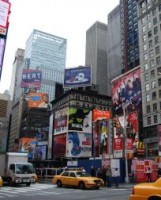
Private tour in New York
We will stop on our tour for pizza and at Roccos famous Italian bakery. See the brownstones, and sights where tv shows like Friends and Sex and The City were filmed. From Greenwich Village we head to the east village to visit Washington Square Park, New York University, and then make our way to Soho. Read more