


 French
 Spanish
 Russian
Belgium : Tours and Excursion
Essex Farm Cemetery
Essex Farm Cemetery is a Commonwealth War Graves Commission burial ground located in Boezinghe, Belgium. It is notable for its association with World War I, particularly the Second Battle of Ypres. The cemetery contains the graves of soldiers from various nations, including the United Kingdom, Canada, and Australia. It is also the site where John McCrae wrote the famous poem 'In Flanders Fields'.
History & Origins
The cemetery was established in 1915 during the First World War. It served as a dressing station for wounded soldiers, and many of those who died here were buried on-site. The cemetery was named after the nearby Essex Farm, which was used as a field hospital. The site has since been preserved as a memorial to those who lost their lives during the conflict.
Architecture & Features
The cemetery features rows of white headstones marking the graves of the fallen soldiers. The headstones are made of Portland stone and are inscribed with the names, ranks, and regiments of the deceased. There is also a Cross of Sacrifice, a common feature in Commonwealth War Graves Commission cemeteries, which serves as a focal point for remembrance.
Legends & Facts
One of the most significant facts about Essex Farm Cemetery is its connection to John McCrae, a Canadian physician and poet. McCrae served at the dressing station here and was inspired to write 'In Flanders Fields' after witnessing the death of a close friend. The poem has since become one of the most famous war poems in history.
Tourist Tips
Visitors to Essex Farm Cemetery should take the time to read the inscriptions on the headstones and reflect on the sacrifices made by the soldiers buried here. The cemetery is easily accessible by car or public transport, and there is ample parking available nearby.
Nearby
- Ypres Salient: A historic battlefield area with numerous memorials and cemeteries.
- In Flanders Fields Museum: A museum dedicated to the history of World War I in the Ypres region.
- Menin Gate: A war memorial in Ypres commemorating soldiers who were never found.
- Tyne Cot Cemetery: The largest Commonwealth War Graves Commission cemetery in the world.
- Sanctuary Wood Museum: A museum with preserved trenches and artifacts from World War I.
Practical FAQ for Travelers
What are the opening hours?
The cemetery is open to visitors from dawn to dusk.
Is there an entrance fee?
No, entry to the cemetery is free of charge.
What is the best time to visit?
The cemetery can be visited year-round, but spring and autumn offer milder weather.
Are there guided tours available?
No, visitors explore the cemetery independently.
Is the site accessible for wheelchair users?
Yes, the cemetery is accessible for wheelchair users.
Essex Farm Cemetery: Private tours and Excursions.
-
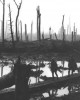
Private tour in Dinant - The Ypres Salient (World War I)
Intro The Ypres Salient is the area around Ypres in Belgium which was the scene of some of the biggest battles in World War I. In military terms, a
Quick tours search
Tour Categories
Private Guide in Belgium

Mike
Private Guide in Brussels
40 years of tourism and hotel business experience. Private guide Mike is devoted to providing his guests with a memorable experience that exceeds all their expectations. Read more