


 French
 Spanish
 Russian
Mexico : Tours and Excursion
Ex-monastery of Acolman
The Ex-monastery of Acolman is a 16th-century Augustinian monastery located in the town of Acolman, Mexico. It is one of the earliest examples of colonial religious architecture in the Americas and is renowned for its well-preserved frescoes and Plateresque facade.
History & Origins
The monastery was founded in 1539 by the Augustinian order as part of the evangelization efforts in New Spain. It was built on the site of a pre-Hispanic settlement and served as a center for religious instruction and conversion. The construction of the monastery was completed in 1560, and it played a significant role in the spread of Christianity in the region.
The monastery was abandoned in the 19th century during the Mexican War of Independence and later restored in the 20th century. Today, it is a UNESCO World Heritage Site and a popular tourist destination.
Architecture & Features
The monastery features a Plateresque facade, characterized by intricate stone carvings and ornamental details. The interior includes a cloister, a church, and several chapels, all adorned with frescoes depicting biblical scenes. The monastery also houses a museum with religious artifacts and colonial-era art.
Legends & Facts
1. The monastery is believed to be the birthplace of the piсata, which was used as a tool for religious instruction.
2. The frescoes in the cloister are among the oldest surviving examples of colonial art in Mexico.
3. The monastery's church is dedicated to San Agustнn, the patron saint of the Augustinian order.
Tourist Tips
The monastery is open Tuesday through Sunday from 9:00 AM to 5:00 PM. Guided tours are available, and the museum is included in the admission fee.
Nearby
- Teotihuacan - An ancient Mesoamerican city with pyramids.
- Basilica of Our Lady of Guadalupe - A major Catholic pilgrimage site.
- Templo Mayor - The main temple of the Aztec capital, Tenochtitlan.
- National Museum of Anthropology - A museum showcasing Mexico's pre-Hispanic heritage.
- Zуcalo - The main square of Mexico City.
Practical FAQ for Travelers
What are the opening hours?
The monastery is open Tuesday through Sunday from 9:00 AM to 5:00 PM.
Is there an entrance fee?
Yes, there is a small admission fee for the museum.
What is the best time to visit?
Weekdays are less crowded than weekends.
Is photography allowed?
Yes, but flash photography is prohibited in the museum.
Is the site accessible for people with disabilities?
Partial accessibility; some areas may be difficult to navigate.
Ex-monastery of Acolman: Private tours and Excursions.
-
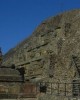
Culture and History tour in Mexico City - Pyramids of Teotihuacan
Mexico is a wonderful place and famous tourist destination. There are certain places there, which attract thousands of tourists and travelers all over
Quick tours search
Tour Categories
Travel Agency in Cuba
Stefano
Travel Agency in Havana
We are extremely professional! We won't simply drive you around as they will provide you all the information,tips and advices you may need during your holiday in Cuba Read more
Tour in United States

Private tour in New York
We will stop on our tour for pizza and at Roccos famous Italian bakery. See the brownstones, and sights where tv shows like Friends and Sex and The City were filmed. From Greenwich Village we head to the east village to visit Washington Square Park, New York University, and then make our way to Soho. Read more