


 French
 Spanish
 Russian
: Tours and Excursion
Attention!!! There are tours with discounts.
Gongju royal tombs
The Gongju royal tombs are a collection of ancient burial mounds from the Baekje Kingdom (18 BCE–660 CE), located in Gongju, South Korea. These tombs are part of the UNESCO World Heritage Site 'Baekje Historic Areas' and represent the cultural and historical significance of the Baekje period. The site includes the Tomb of King Muryeong, which was discovered in 1971 and is remarkably well-preserved, offering insights into the burial practices and artistry of the time.
History & Origins
The Baekje Kingdom was one of the Three Kingdoms of Korea, and Gongju served as its capital from 475 to 538 CE. The royal tombs were constructed during this period, reflecting the kingdom's wealth and sophistication. The Tomb of King Muryeong, the most famous among them, was built in 525 CE and contains artifacts such as gold crowns, jewelry, and pottery, showcasing the advanced craftsmanship of Baekje artisans.
The discovery of King Muryeong's tomb was a significant archaeological breakthrough, as it provided concrete evidence of Baekje's royal lineage and cultural exchanges with neighboring regions like China and Japan. The tomb's interior features intricate wall paintings and a stone chamber, demonstrating the kingdom's architectural prowess.
The site also includes other tombs, though many remain unexcavated to preserve their integrity. These tombs are believed to belong to other Baekje royalty and nobility, offering a glimpse into the hierarchical structure of Baekje society.
Architecture & Features
The royal tombs are characterized by their earthen mounds, which are typical of Korean burial practices during the Three Kingdoms period. The Tomb of King Muryeong is unique for its brick-lined chamber, a technique influenced by Chinese traditions. The chamber is accessed through a narrow passage and contains a stone sarcophagus where the king and queen were laid to rest.
The artifacts found within the tomb include gold diadems, earrings, and belts, all of which highlight the opulence of Baekje royalty. The tomb's construction also features a drainage system to prevent water damage, showcasing the engineering skills of the Baekje people.
Legends & Facts
One notable fact is that King Muryeong's tomb was discovered accidentally during a drainage construction project. The tomb's contents were so well-preserved that they provided invaluable information about Baekje's trade relations, as some artifacts were of foreign origin.
Another interesting detail is the presence of a stone tablet inside the tomb, which confirmed the identity of the buried king and queen. This tablet is one of the few surviving written records from the Baekje period.
The tomb also revealed evidence of Baekje's Buddhist influences, as some artifacts bear motifs related to Buddhism, which was introduced to Korea during this era.
Tourist Tips
Visitors should start at the on-site museum, which displays replicas of the artifacts found in the tombs. The original items are housed in the National Museum of Korea in Seoul. A walking path connects the tombs, offering a peaceful stroll through the wooded area.
Nearby attractions include the Gongsanseong Fortress, which offers panoramic views of Gongju and the Geum River. The fortress was another key Baekje stronghold and is a short distance from the tombs.
Practical FAQ for Travelers
What are the opening hours?
The site is open from 9:00 AM to 6:00 PM daily, with last admission at 5:30 PM.
Is there an entrance fee?
Yes, the entrance fee is 1,500 KRW for adults and 800 KRW for children.
What is the best time to visit?
Spring and autumn are ideal, as the weather is mild and the surrounding foliage enhances the experience.
Are guided tours available?
Self-guided tours are recommended, with informational plaques provided throughout the site.
Is the site accessible for wheelchair users?
The main paths are wheelchair-friendly, but some areas may be challenging due to uneven terrain.
Are photography and videography allowed?
Yes, photography is permitted, but flash and tripods are prohibited inside the museum.
Gongju royal tombs: Private tours and Excursions. Hurry up and book a tour with a discount.
-
Special Offer!
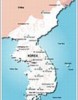
Private tour in Incheon - Multiple-Day South Korea Customized Private tour for Seoul+ Busan+Jeju and more places.
1. Tours Introduction : South Korea is located in northeast Asia as the border between Japan, China, Russia, and North Korea. It has a population of
Quick tours search
Tour Categories
- Any tour category
- Adventure tour
- Arts and Crafts tour
- Boating and Sailing tour
- Children's tour
- Culture and History tour
- Diving tour
- Eco and Wildlife tour
- Excursion
- Expedition
- Fishing tour
- Gourmet & Cooking tour
- Hiking tour
- Hunting tour
- Jeep tour
- Private tour
- Railway trip
- Safari
- Shopping tour
- Sightseeing Nature tour
- Trekking tour
- Walking tour
- Wine tasting tour
Travel Agency in Cuba

Stefano
Travel Agency in Havana
We are extremely professional! We won't simply drive you around as they will provide you all the information,tips and advices you may need during your holiday in Cuba Read more
Tour in New Zealand

Private tour in Auckland
Looking forward to have some great time on the beach? Want to discover the fruitful wine industry of the Auckland area? Well, with this private tour in Auckland you will enjoy both these great activities during a single day! Read more