


 French
 Spanish
 Russian
: Tours and Excursion
History & Origins
Gorky park was designed by architect Konstantin Melnikov and opened to the public in 1928. It was named after the Soviet writer Maxim Gorky. The park was intended to be a place where Soviet citizens could engage in healthy outdoor activities and cultural events.
During the Soviet era, the park was a symbol of the new socialist lifestyle, promoting physical fitness and communal activities. It hosted numerous exhibitions, concerts, and festivals, becoming a central part of Moscow's cultural life.
In the post-Soviet period, the park underwent significant renovations to modernize its facilities while preserving its historical charm. Today, it continues to be a vibrant space for leisure and cultural activities.
Architecture & Features
The park's design combines natural landscapes with architectural elements. It includes wide pathways, open lawns, and numerous fountains. The central alley is lined with statues and sculptures, adding to the park's aesthetic appeal.
One of the park's most notable features is the Ferris wheel, which offers panoramic views of Moscow. There are also several sports facilities, including tennis courts, skate parks, and outdoor gyms.
Legends & Facts
Gorky park has been featured in numerous literary works and films, most notably in Martin Cruz Smith's novel 'Gorky park' and its subsequent film adaptation. The park's iconic Ferris wheel has become a symbol of Moscow.
During the 1980 Summer Olympics, Gorky park hosted several cultural events and exhibitions, attracting visitors from around the world.
The park's ice rink, which opens during the winter months, is one of the largest in Europe and a popular destination for ice skating enthusiasts.
Tourist Tips
Visitors should start their exploration at the main entrance, where they can pick up a map of the park. The central alley is a great place to begin, leading to various attractions and facilities.
For those interested in sports, the park offers numerous activities, including cycling, rollerblading, and yoga classes. The Ferris wheel is a must-visit for stunning views of the city.
Nearby
- Moskva River: A scenic river that runs alongside the park, perfect for boat rides.
- Pushkin Museum: One of Moscow's premier art museums, located a short distance from the park.
- Cathedral of Christ the Saviour: A magnificent Orthodox cathedral with stunning architecture.
- Red Square: The historic heart of Moscow, home to iconic landmarks like the Kremlin and St. Basil's Cathedral.
- Bolshoi Theatre: A world-renowned opera and ballet theatre, located in the city center.
Practical FAQ for Travelers
What are the park's opening hours?
Gorky park is open 24 hours a day, but specific facilities may have varying hours.
Is there an entrance fee?
Entry to the park is free, but some attractions and activities may charge a fee.
What is the best time to visit?
The park is beautiful year-round, but spring and summer are particularly pleasant for outdoor activities.
Are pets allowed?
Yes, pets are allowed in the park, but they must be kept on a leash.
Is the park accessible for people with disabilities?
Yes, the park is accessible, with ramps and pathways designed for wheelchair users.
Gorky park: Private tours and Excursions.
-
Private tour in Moscow - 2-day Grand Moscow Tour
This 2-day tour covers all the main city attractions. The itinerary is customized and discussed. Just relax and enjoy Moscow :) Este tour de 2 dias c -
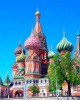
Private tour in Moscow - 3-day Mega Moscow Tour
This tour covers everything you need to see in Moscow: Red Square, The Kremlin, The Bolshoy, Tverskaya street, Christ the Savior Cathedral, KGB buildi
Quick tours search
Tour Categories
- Any tour category
- Adventure tour
- Arts and Crafts tour
- Boating and Sailing tour
- Children's tour
- Culture and History tour
- Diving tour
- Eco and Wildlife tour
- Excursion
- Expedition
- Fishing tour
- Gourmet & Cooking tour
- Hiking tour
- Hunting tour
- Jeep tour
- Private tour
- Railway trip
- Safari
- Shopping tour
- Sightseeing Nature tour
- Trekking tour
- Walking tour
- Wine tasting tour
Private Guide in Greece
Angelo
Private Guide in Katerini
I can make your hiking, beach bar hopping and educational experience one of a kind! You will learn everything you ever wondered about this beautiful country. Read more
Tour in Kenya
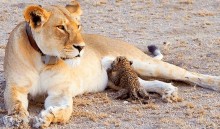
7-Day Explore Wildlife Samburu Great Rift Valley Lakes
Safari in Nairobi
Samburu National Reserve is situated about 350 kms north of Nairobi in the semi arid part of Kenya. Ewaso Nyiro River, bisects the reserve and the river is home to some of the biggest Reptiles in the region and attracts a good number of birds.
Read more