


 French
 Spanish
 Russian
Belgium : Tours and Excursion
The Gruuthusemuseum is a museum in Bruges, Belgium, housed in the former Gruuthuse, a 15th-century mansion. The museum showcases a rich collection of applied arts from the Middle Ages to the 19th century, including tapestries, lace, and silverware. The building itself is a fine example of late medieval architecture.
History & Origins
The Gruuthuse was built in the 15th century by Louis de Gruuthuse, a nobleman and advisor to the Dukes of Burgundy. The mansion was a symbol of wealth and power, reflecting the prosperity of Bruges during the Burgundian period. The building was later converted into a museum in the 19th century.
The museum's collection was assembled over centuries, with significant additions in the 19th and 20th centuries. It includes artifacts from Bruges' golden age, such as religious objects, furniture, and decorative arts.
The Gruuthusemuseum underwent a major renovation in the early 21st century, modernizing its exhibits while preserving the historic character of the building.
Architecture & Features
The Gruuthuse is a striking example of late medieval Flemish architecture. The building features a stepped gable facade, ornate stone carvings, and a central courtyard. The interior includes a chapel with original stained glass windows and a grand hall with a wooden ceiling.
The museum's exhibits are displayed in rooms that retain their historic character, with period furniture and decor. Highlights include the lace collection, which showcases Bruges' renowned lace-making tradition, and the silverware display, featuring pieces from the city's guilds.
Legends & Facts
One of the most famous artifacts in the museum is the 'Gruuthuse Manuscript,' a 14th-century collection of songs and poems. It is one of the oldest surviving examples of Dutch literature.
The mansion's name, 'Gruuthuse,' refers to the gruut (a mixture of herbs used in brewing beer) that the original owners traded. This trade was a major source of wealth for the family.
The chapel in the Gruuthuse was once connected to the adjacent Church of Our Lady by a private corridor, allowing the family to attend mass without leaving their home.
Tourist Tips
Visitors should start their tour on the ground floor, which covers the history of the building and its owners. The upper floors house the applied arts collection, with the lace and silverware exhibits being particularly noteworthy. The chapel and grand hall are must-see highlights.
Nearby
- Church of Our Lady Bruges: A stunning Gothic church with a Michelangelo sculpture.
- Belfry of Bruges: A medieval bell tower offering panoramic views of the city.
- Bruges Market Square: The historic heart of the city, surrounded by colorful guildhouses.
- Groeningemuseum: A fine arts museum featuring Flemish Primitive paintings.
- Beguinage: A tranquil convent with whitewashed houses and a peaceful garden.
Practical FAQ for Travelers
What are the opening hours?
The museum is open from 9:30 AM to 5:00 PM, Tuesday to Sunday.
Is there an entrance fee?
Yes, tickets cost 12 Euro for adults, with discounts for seniors and students.
What is the best time to visit?
Mornings are less crowded, especially on weekdays.
Are photography and video allowed?
Yes, but flash photography and tripods are not permitted.
Is the museum accessible for wheelchair users?
Yes, the museum has elevators and accessible restrooms.
Are guided tours available?
Self-guided audio tours are available, but no guided tours are offered.
Gruuthusemuseum: Private tours and Excursions.
-
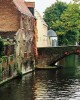
Culture and History tour in Bruges - Ghent and Brugge in one day
Ghent: The history of Ghent begins in the year 630, when St Amandus chose the site of the confluence (or ‘Ganda’) of the two rivers, the L
Quick tours search
Tour Categories
Private Guide in Belgium

Mike
Private Guide in Brussels
40 years of tourism and hotel business experience. Private guide Mike is devoted to providing his guests with a memorable experience that exceeds all their expectations. Read more