


 French
 Spanish
 Russian
: Tours and Excursion
Hill of Tara
The Hill of Tara is an ancient ceremonial and political site in County Meath, Ireland, known as the seat of the High Kings of Ireland. The hill features a series of earthworks and monuments dating back to the Neolithic period, including the Lia Fбil (Stone of Destiny), which was said to roar when touched by the rightful king.
History & Origins
The Hill of Tara has been a place of significance for over 5,000 years, with evidence of continuous use from the Neolithic to the early medieval period. It was the political and spiritual center of Ireland, where the High Kings were inaugurated.
The site includes several earthworks, such as the Royal Enclosure and the Mound of the Hostages, a Neolithic passage tomb. The Lia Fбil, a standing stone, is one of the most famous features of the hill.
Tara's importance declined after the arrival of Christianity, but it remained a symbol of Irish identity and resistance, particularly during the 19th century when it became a rallying point for Irish nationalists.
Architecture & Features
The Hill of Tara is characterized by its earthworks and monuments, including the Royal Enclosure, a large oval earthwork, and the Mound of the Hostages, a passage tomb dating back to 2500 BC.
The Lia Fбil, or Stone of Destiny, is a standing stone that played a central role in the inauguration ceremonies of the High Kings. The site also includes several ring forts and other earthworks.
Legends & Facts
According to legend, the Lia Fбil would roar when touched by the rightful High King of Ireland. This stone is said to have been brought to Tara by the Tuatha Dй Danann.
Another legend tells of the marriage of the High King Cormac mac Airt to Eithne, which took place at Tara.
The hill is also associated with St. Patrick, who is said to have confronted the pagan High King Laoghaire at Tara.
Tourist Tips
Visitors to the Hill of Tara should wear comfortable walking shoes, as the site covers a large area with uneven terrain. The best time to visit is during the spring or summer when the weather is mild.
A walk around the site offers a chance to explore the earthworks and monuments, with stunning views of the surrounding countryside. Don't forget to bring a camera to capture the historical and natural beauty of the site.
Nearby
- Newgrange: A prehistoric passage tomb older than the pyramids of Egypt.
- Hill of Slane: A historic site associated with St. Patrick.
- Trim Castle: The largest Anglo-Norman castle in Ireland.
- Brъ na Bуinne: A UNESCO World Heritage Site with ancient megalithic monuments.
- Slane Castle: A historic castle known for its concerts and whiskey distillery.
Practical FAQ for Travelers
Is there an entrance fee?
No, the Hill of Tara is free to visit.
What is the best time to visit?
Spring and summer offer the best weather for visiting.
How long should I plan to spend here?
A visit typically takes 1-2 hours.
Is the site accessible for children?
Yes, but supervision is advised due to uneven terrain.
Are pets allowed?
Yes, pets are allowed but must be kept on a leash.
Is there a dress code?
No, but comfortable clothing and shoes are recommended.
Hill of Tara: Private tours and Excursions.
-
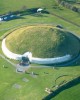
Private tour in Dublin - Boyne Valley Tour
Private tour of the Boyne Valley, Ireland. Pick up from your accommodation or cruise ship at Dublin port. Brú na Bóinne Visitor Expe
Quick tours search
Tour Categories
- Any tour category
- Adventure tour
- Arts and Crafts tour
- Boating and Sailing tour
- Children's tour
- Culture and History tour
- Diving tour
- Eco and Wildlife tour
- Excursion
- Expedition
- Fishing tour
- Gourmet & Cooking tour
- Hiking tour
- Hunting tour
- Jeep tour
- Private tour
- Railway trip
- Safari
- Shopping tour
- Sightseeing Nature tour
- Trekking tour
- Walking tour
- Wine tasting tour
Private Guide in Belgium

Mike
Private Guide in Brussels
40 years of tourism and hotel business experience. Private guide Mike is devoted to providing his guests with a memorable experience that exceeds all their expectations. Read more
Tour in Argentina
Culture and History tour in Buenos Aires
This is an extended version of the Buenos Aires' Highlights Tour! Read more