


 French
 Spanish
 Russian
: Tours and Excursion
Lake Balaton is the largest freshwater lake in Central Europe, often referred to as the 'Hungarian Sea'. It covers an area of approximately 592 square kilometers and has a unique shallow depth, averaging 3.2 meters. The lake is a major tourist destination, known for its thermal springs, vineyards, and recreational activities.
History & Origins
Lake Balaton was formed during the Pannonian Basin's tectonic movements around 22,000 years ago. The Romans were among the first to document its existence, using it as a natural barrier against invading tribes. By the 19th century, it became a popular retreat for Hungarian nobility.
During the Austro-Hungarian Empire, the lake's northern shore developed into a cultural hub, with towns like Keszthely and Balatonfьred gaining prominence. The 20th century saw the lake transform into a mass tourism destination, especially after the construction of railways connecting it to Budapest.
Today, Lake Balaton is a symbol of Hungarian leisure and natural beauty, attracting millions of visitors annually.
Architecture & Features
The lake's shoreline is dotted with historic villas, resorts, and promenades, many dating back to the 19th century. The Tihany Peninsula, a protected area, features the iconic Benedictine Abbey and offers panoramic views of the lake.
The lake's southern shore is known for its sandy beaches and family-friendly resorts, while the northern shore is famed for its volcanic hills and vineyards producing the renowned Balaton wines.
Legends & Facts
Local folklore claims the lake was created by the tears of a giant mourning his lost love. Scientifically, its shallow depth results from its formation over a subsiding basin.
During World War II, Lake Balaton was the site of the last major German offensive, Operation Spring Awakening, in 1945.
The lake freezes over in harsh winters, creating a natural ice-skating rink, a phenomenon celebrated in Hungarian culture.
Tourist Tips
Visit the Tihany Peninsula for its lavender fields and abbey. Take a ferry across the lake for scenic views. Explore the wine regions of Badacsony and Balatonfьred.
Nearby
- Tihany Abbey - A historic Benedictine monastery with a baroque church.
- Hйvнz Thermal Lake - The world's largest biologically active thermal lake.
- Keszthely - A charming town with the Festetics Palace and Balaton Museum.
- Badacsony - A volcanic hill region famous for its wines and hiking trails.
- Siуfok - The 'capital' of Lake Balaton, known for its vibrant nightlife and beaches.
Practical FAQ for Travelers
When is the best time to visit Lake Balaton?
Summer (June-August) is ideal for swimming and water sports, while spring and autumn are perfect for wine tours and hiking.
Are there entrance fees for the lake?
Public beaches are free, but private resorts may charge for amenities.
How long should I spend at Lake Balaton?
A minimum of 2-3 days is recommended to explore key areas.
Is Lake Balaton suitable for children?
Yes, the shallow waters and family resorts make it very child-friendly.
What should I wear when visiting?
Casual summer attire for beaches; comfortable shoes for hiking in northern regions.
Lake Balaton: Private tours and Excursions.
-

Private tour in Budapest - Lake Balaton, Herend By Van
There are numerous landmarks and tourist attractions in Hungary. Along with various guided tours in Budapest, there are some other tours, which focus
Quick tours search
Tour Categories
- Any tour category
- Adventure tour
- Arts and Crafts tour
- Boating and Sailing tour
- Children's tour
- Culture and History tour
- Diving tour
- Eco and Wildlife tour
- Excursion
- Expedition
- Fishing tour
- Gourmet & Cooking tour
- Hiking tour
- Hunting tour
- Jeep tour
- Private tour
- Railway trip
- Safari
- Shopping tour
- Sightseeing Nature tour
- Trekking tour
- Walking tour
- Wine tasting tour
Private Guide in Belgium

Mike
Private Guide in Brussels
40 years of tourism and hotel business experience. Private guide Mike is devoted to providing his guests with a memorable experience that exceeds all their expectations. Read more
Tour in United States
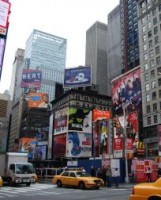
Private tour in New York
We will stop on our tour for pizza and at Roccos famous Italian bakery. See the brownstones, and sights where tv shows like Friends and Sex and The City were filmed. From Greenwich Village we head to the east village to visit Washington Square Park, New York University, and then make our way to Soho. Read more