


 French
 Spanish
 Russian
: Tours and Excursion
History & Origins
The Irrawaddy river has been a lifeline for Myanmar for centuries, serving as a major trade route and supporting the growth of ancient civilizations. Its name is derived from the Sanskrit word 'Iravati,' meaning 'elephant river,' reflecting its importance in the region.
The river has played a crucial role in the development of Myanmar's culture and economy, with many historical cities and temples located along its banks.
Today, the Irrawaddy remains a symbol of Myanmar's natural beauty and cultural heritage.
Architecture & Features
The Irrawaddy river spans approximately 1,350 miles, making it one of the longest rivers in Southeast Asia. Its waters are fed by numerous tributaries, creating a vast and dynamic river system.
The river's course is marked by diverse landscapes, including fertile plains, dense forests, and rugged mountains, offering a variety of scenic views for visitors.
Legends & Facts
According to local legend, the Irrawaddy river was created by the tears of a mythical dragon, symbolizing its importance to the people of Myanmar.
The river is home to the endangered Irrawaddy dolphin, a species known for its unique behavior and close interaction with local fishermen.
The Irrawaddy river has inspired numerous works of literature and art, reflecting its cultural significance in Myanmar.
Tourist Tips
For the best experience, consider taking a boat tour along the Irrawaddy river, which allows you to explore its scenic beauty and cultural sites at a leisurely pace.
Visit during the dry season (November to February) for optimal weather conditions and clearer views of the river.
Nearby
- Bagan: An ancient city known for its thousands of temples and pagodas.
- Mandalay: A cultural hub with historic palaces and monasteries.
- Inle Lake: A picturesque freshwater lake famous for its floating villages and gardens.
- Yangon: Myanmar's largest city, home to the iconic Shwedagon Pagoda.
- Monywa: A town known for its impressive Buddha statues and caves.
Practical FAQ for Travelers
What is the best time to visit the Irrawaddy river?
The best time to visit is during the dry season (November to February) when the weather is cooler and the river is more navigable.
Are there boat tours available?
Yes, there are various boat tours available, ranging from short trips to multi-day cruises.
Is the river accessible for all travelers?
Yes, the river is accessible, but it's advisable to check with tour operators for specific accessibility options.
Can I take photos along the river?
Yes, photography is allowed, and the scenic views provide excellent opportunities for capturing memorable shots.
Are there any dress code requirements?
There are no specific dress code requirements, but comfortable clothing and sun protection are recommended.
Irrawaddy river: Private tours and Excursions.
-
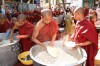
Culture and History tour in Sagaing - 3 cities around Mandalay
This 3 cities are not far from mandalay but they are out of mandalay and older than mandalay. Amarapura is only 3 minutes drive from mandalay. Ava is
Quick tours search
Tour Categories
- Any tour category
- Adventure tour
- Arts and Crafts tour
- Boating and Sailing tour
- Children's tour
- Culture and History tour
- Diving tour
- Eco and Wildlife tour
- Excursion
- Expedition
- Fishing tour
- Gourmet & Cooking tour
- Hiking tour
- Hunting tour
- Jeep tour
- Private tour
- Railway trip
- Safari
- Shopping tour
- Sightseeing Nature tour
- Trekking tour
- Walking tour
- Wine tasting tour
Private Guide in Fiji
Ben
Private Guide in Nadi
This is where you experience the lively sunshine and smiling faces of the Fijian people. Come join me and experience for yourself that Fiji is the place to be. Read more
Tour in Kenya

7-Day Explore Wildlife Samburu Great Rift Valley Lakes
Safari in Nairobi
Samburu National Reserve is situated about 350 kms north of Nairobi in the semi arid part of Kenya. Ewaso Nyiro River, bisects the reserve and the river is home to some of the biggest Reptiles in the region and attracts a good number of birds.
Read more