


 French
 Spanish
 Russian
: Tours and Excursion
History & Origins
The Jamek Mosque was commissioned by the British colonial government and completed in 1909. It was built on the site of an old Malay burial ground, which adds to its historical significance. The mosque was designed by Arthur Benison Hubback, who also designed other notable buildings in Malaysia, such as the Kuala Lumpur Railway Station and the Sultan Abdul Samad Building.
The mosque's name, 'Jamek,' is derived from the Arabic word 'Jami,' which means a place of congregation. It was the main mosque for Kuala Lumpur until the National Mosque was built in 1965. Despite this, it continues to be an important place of worship and a symbol of the city's Islamic heritage.
The mosque's location at the confluence of the Klang and Gombak rivers is significant, as this area is considered the birthplace of Kuala Lumpur. The rivers were once the main transportation routes for tin miners, and the mosque stands as a reminder of the city's early history.
Architecture & Features
The Jamek Mosque's architecture is a blend of Moorish, Islamic, and Mughal styles. The mosque features three domes, the largest of which is flanked by two smaller ones. The domes are adorned with intricate patterns and are supported by arches and columns. The mosque also has two minarets, which are used for the call to prayer.
The interior of the mosque is equally impressive, with a large prayer hall that can accommodate up to 1,000 worshippers. The walls are decorated with Islamic calligraphy and geometric patterns, and the floors are covered with carpets. The mosque's design allows for natural ventilation, with large windows and open spaces that help to keep the interior cool.
Legends & Facts
One interesting fact about the Jamek Mosque is that it was built on the site of an old Malay burial ground. This adds to the mosque's historical significance and makes it a place of reverence for many locals.
Another fact is that the mosque was designed by Arthur Benison Hubback, a British architect who was responsible for designing several iconic buildings in Malaysia. His work on the Jamek Mosque is considered one of his masterpieces.
The mosque's location at the confluence of the Klang and Gombak rivers is also significant, as this area is considered the birthplace of Kuala Lumpur. The rivers were once the main transportation routes for tin miners, and the mosque stands as a reminder of the city's early history.
Tourist Tips
Visitors to the Jamek Mosque should dress modestly, as it is a place of worship. Women are required to cover their heads, and both men and women should wear clothing that covers their arms and legs. Shoes must be removed before entering the mosque.
The best time to visit the mosque is early in the morning or late in the afternoon, when the weather is cooler and the mosque is less crowded. Visitors should also take the time to explore the surrounding area, which includes the confluence of the Klang and Gombak rivers and several other historical sites.
Nearby
- Dataran Merdeka: A historic square that was the site of Malaysia's declaration of independence.
- Sultan Abdul Samad Building: A historic building that houses the offices of the Malaysian Ministry of Information, Communications, and Culture.
- Kuala Lumpur Railway Station: A historic railway station designed by Arthur Benison Hubback.
- Central Market: A historic market that sells traditional Malaysian crafts and souvenirs.
- Petaling Street: A bustling street known for its street food and shopping.
Practical FAQ for Travelers
What are the opening hours of the Jamek Mosque?
The Jamek Mosque is open to visitors from 9:00 AM to 5:00 PM daily, except during prayer times.
Is there an entrance fee?
No, there is no entrance fee to visit the Jamek Mosque.
What is the best time to visit?
The best time to visit is early in the morning or late in the afternoon, when the weather is cooler and the mosque is less crowded.
Is photography allowed inside the mosque?
Yes, photography is allowed, but visitors should be respectful and avoid taking photos during prayer times.
Is the mosque accessible to people with disabilities?
Yes, the mosque is accessible to people with disabilities, with ramps and designated parking spaces available.
Are there any dress code requirements?
Yes, visitors should dress modestly. Women are required to cover their heads, and both men and women should wear clothing that covers their arms and legs. Shoes must be removed before entering the mosque.
Jamek Mosque: Private tours and Excursions.
-
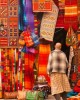
Shopping tour in Marrakech - Marrakech Shopping Tour
Exploring Marrakech Markets : Immerse yourself in the colors and cultural richness of Marrakech through a shopping tour. Discover hidden gems, haggle -
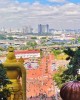
Private tour in Kuala Lumpur - Full Day Tour in Kuala Lumpur
Budget Tour in Kuala Lumpur USD 89/ EURO 57 nett Get the best of Kuala lumpur with this affordable price. Stop worrying been lost or extra charges. -
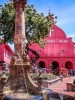
Private tour in Kuala Lumpur - Two Full Days Tour in Kuala lumpur and Melaka
Two Full Days Tour in Kuala Lumpur and Melaka for 1 to 3 people 1st day - Kuala Lumpur - start at 9am - till we covered all the place Package consis
Quick tours search
Tour Categories
- Any tour category
- Adventure tour
- Arts and Crafts tour
- Boating and Sailing tour
- Children's tour
- Culture and History tour
- Diving tour
- Eco and Wildlife tour
- Excursion
- Expedition
- Fishing tour
- Gourmet & Cooking tour
- Hiking tour
- Hunting tour
- Jeep tour
- Private tour
- Railway trip
- Safari
- Shopping tour
- Sightseeing Nature tour
- Trekking tour
- Walking tour
- Wine tasting tour
Private Guide in Morocco

Mustapha
Private Guide in Marrakech
My name is Mustapha. I am your guide and will support you during the tour. I promise you are going to enjoy your stay here in Morocco. This is a beautiful, quiet country where ... Read more
Tour in Kenya
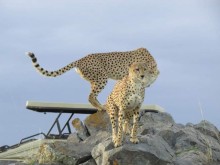
14-Day Discover Masai Mara Amboseli Serengeti Ngorongoro crater Zanzibar Beach Safari
Safari in Nairobi
Lake Nakuru is famous for its millions of flamigoes and migrant birds from over the world; in Nakuru we have upto 425 different bird species. You will leave back to the hotel before dark for your dinner and overnight at you lodge Read more