


 French
 Spanish
 Russian
: Tours and Excursion
Kasserine pass
The Kasserine pass is a historically significant mountain pass in western Tunisia, known for its role in World War II. It was the site of a major battle between Allied and Axis forces in February 1943, marking a turning point in the North African campaign.
History & Origins
The pass gained prominence during World War II when German forces, led by Field Marshal Erwin Rommel, clashed with American troops in a series of intense battles. The Allied forces eventually secured the pass, leading to their advance into Tunisia and eventual victory in North Africa.
Architecture & Features
The Kasserine pass is characterized by its rugged terrain, steep cliffs, and narrow pathways, making it a strategic military location. Today, remnants of wartime fortifications and memorials can be found throughout the area.
Legends & Facts
The Battle of Kasserine pass was the first major engagement between American and German forces during World War II. Despite initial setbacks, the experience gained by American troops proved invaluable in subsequent campaigns.
Tourist Tips
Visitors should wear sturdy footwear and be prepared for uneven terrain. Guided tours are available for those interested in the historical aspects of the site.
Nearby
- Kasserine City: A nearby town with historical sites and local markets.
- Djebel Chambi: The highest peak in Tunisia, offering hiking opportunities.
- Thala: A small town known for its Roman ruins.
- Sbeitla: An ancient Roman city with well-preserved ruins.
- El Kef: A historic city with a rich cultural heritage.
Practical FAQ for Travelers
What is the best time to visit Kasserine pass?
The best time to visit is during the cooler months, from October to April, when temperatures are more comfortable.
Are there any entrance fees?
No, the pass is open to the public free of charge.
Is the site accessible for children?
Yes, but children should be supervised due to the rugged terrain.
Can I bring my pet?
Pets are allowed but should be kept on a leash.
What should I wear?
Wear comfortable clothing and sturdy shoes suitable for walking on uneven ground.
Kasserine pass: Private tours and Excursions.
-
Culture and History tour in Tunis - Tunisia battelfields WWII
The history of Tunisia is rich with decisive WWII battles and intense military operations. Tunisia was the set for some of the most intense figh
Quick tours search
Tour Categories
- Any tour category
- Adventure tour
- Arts and Crafts tour
- Boating and Sailing tour
- Children's tour
- Culture and History tour
- Diving tour
- Eco and Wildlife tour
- Excursion
- Expedition
- Fishing tour
- Gourmet & Cooking tour
- Hiking tour
- Hunting tour
- Jeep tour
- Private tour
- Railway trip
- Safari
- Shopping tour
- Sightseeing Nature tour
- Trekking tour
- Walking tour
- Wine tasting tour
Private Guide in Ethiopia
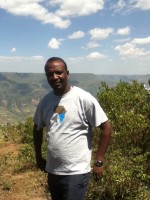
Yonas
Private Guide in Addis Ababa
I taught for seven years in different parts of the country. Then I decided to go to school to study tourism. There, I got what my real soul is and for what purpose am created for! Read more
Tour in United States
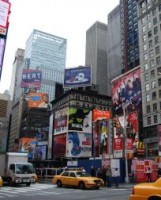
Private tour in New York
We will stop on our tour for pizza and at Roccos famous Italian bakery. See the brownstones, and sights where tv shows like Friends and Sex and The City were filmed. From Greenwich Village we head to the east village to visit Washington Square Park, New York University, and then make our way to Soho. Read more