


 French
 Spanish
 Russian
: Tours and Excursion
History & Origins
Mount Kilimanjaro, including Kibo Peak, was formed around 1 million years ago during the formation of the East African Rift Valley. The mountain's volcanic activity began with the Shira cone, followed by Mawenzi, and finally Kibo. Kibo's last major eruption occurred in the Pleistocene epoch, leaving behind the iconic snow-capped peak.
The first recorded ascent of Kibo Peak was by Hans Meyer and Ludwig Purtscheller in 1889. Since then, it has become a popular destination for trekkers and mountaineers worldwide.
Architecture & Features
Kibo Peak is characterized by its volcanic cone shape, with a large crater at its summit. The crater is approximately 2.5 kilometers (1.6 miles) in diameter and contains the Reusch Crater, which is about 350 meters (1,150 feet) wide. The Ash Pit, located within the Reusch Crater, is a deep depression filled with volcanic ash.
The peak is covered by glaciers and snowfields, although these have been receding due to climate change. The Uhuru Peak, the highest point on Kibo, is marked by a wooden sign and offers panoramic views of the surrounding landscape.
Legends & Facts
Local Chagga legends speak of Kibo Peak as the home of the god Ruwa, who is believed to reside in the mountain's summit. The mountain is also considered sacred by the Maasai people, who refer to it as 'Ol Doinyo Oibor,' meaning 'White Mountain.'
Kibo Peak is part of Kilimanjaro National Park, a UNESCO World Heritage Site, and is a significant symbol of Tanzania's natural heritage.
Tourist Tips
To reach Kibo Peak, trekkers typically take one of several routes, such as the Machame Route or the Marangu Route. The trek is physically demanding and requires proper acclimatization to avoid altitude sickness. It is recommended to hire a local guide and porter for safety and support.
The best time to climb Kibo Peak is during the dry seasons, from January to March and June to October, when the weather is more stable.
Nearby
- Shira Plateau: A vast plateau formed by the Shira volcano, offering stunning views of the surrounding landscape.
- Mawenzi Peak: The second-highest peak of Mount Kilimanjaro, known for its rugged and jagged terrain.
- Kilimanjaro National Park: A UNESCO World Heritage Site, home to diverse flora and fauna.
- Marangu Route: One of the most popular trekking routes to the summit of Kilimanjaro.
- Machame Route: A scenic and challenging route to the summit, known as the 'Whiskey Route.'
Practical FAQ for Travelers
What is the best time to visit Kibo Peak?
The best time to visit Kibo Peak is during the dry seasons, from January to March and June to October, when the weather is more stable.
How long does it take to climb Kibo Peak?
The climb to Kibo Peak typically takes 5-7 days, depending on the route chosen and the trekker's pace.
Is it safe to climb Kibo Peak?
Climbing Kibo Peak is generally safe with proper preparation, acclimatization, and the assistance of a local guide and porter.
What should I wear for the climb?
Trekkers should wear layered clothing suitable for cold weather, including thermal base layers, a waterproof jacket, and sturdy hiking boots.
Are there any age restrictions for climbing Kibo Peak?
There are no strict age restrictions, but climbers should be in good physical condition and able to handle the physical demands of the trek.
Kibo Peak: Articles
-
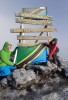
Reasons why Machame is favorite Kilimanjaro route
Kilimanjaro Tanzanite Safaris Company, explains reasons why the Machame route is a favorite trail to climb Mount Kilimanjaro. Machame is a stunning trail that o
Quick tours search
Tour Categories
- Any tour category
- Adventure tour
- Arts and Crafts tour
- Boating and Sailing tour
- Children's tour
- Culture and History tour
- Diving tour
- Eco and Wildlife tour
- Excursion
- Expedition
- Fishing tour
- Gourmet & Cooking tour
- Hiking tour
- Hunting tour
- Jeep tour
- Private tour
- Railway trip
- Safari
- Shopping tour
- Sightseeing Nature tour
- Trekking tour
- Walking tour
- Wine tasting tour
Private Guide in Ethiopia
Yonas
Private Guide in Addis Ababa
I taught for seven years in different parts of the country. Then I decided to go to school to study tourism. There, I got what my real soul is and for what purpose am created for! Read more
Tour in New Zealand
Private tour in Auckland
Looking forward to have some great time on the beach? Want to discover the fruitful wine industry of the Auckland area? Well, with this private tour in Auckland you will enjoy both these great activities during a single day! Read more