


 French
 Spanish
 Russian
: Tours and Excursion
Kirindy Forest
Kirindy Forest is a dry deciduous forest located in western Madagascar, known for its unique biodiversity and nocturnal wildlife. The forest covers an area of approximately 12,000 hectares and is home to several endemic species, including the fossa, Madagascar's largest carnivore, and various species of lemurs. Kirindy Forest is a popular destination for eco-tourists and wildlife enthusiasts, offering guided night tours and opportunities for birdwatching.
History & Origins
Kirindy Forest has been a protected area since the 1990s, recognized for its ecological importance and unique flora and fauna. The forest is managed by local conservation organizations, which work to preserve its biodiversity and promote sustainable tourism. The area has been inhabited by local communities for centuries, who have traditionally used the forest for hunting and gathering.
Architecture & Features
The forest is characterized by its dry deciduous trees, which shed their leaves during the dry season. The forest floor is covered with leaf litter, providing habitat for a variety of insects and small mammals. The forest also includes several trails and viewing platforms, allowing visitors to explore the area and observe wildlife.
Legends & Facts
One of the most fascinating aspects of Kirindy Forest is its role as a habitat for the fossa, a rare and elusive carnivore that is endemic to Madagascar. The forest is also known for its nocturnal lemurs, including the red-tailed sportive lemur and the gray mouse lemur. The forest's unique ecosystem has been the subject of numerous scientific studies.
Tourist Tips
Visitors should bring insect repellent and wear long sleeves and pants to protect against mosquitoes. Guided night tours are highly recommended, as they offer the best chance to see nocturnal wildlife. The best time to visit is during the dry season, from April to November, when the trails are more accessible.
Nearby
- Tsingy de Bemaraha National Park: A UNESCO World Heritage Site known for its unique karst limestone formations.
- Morondava: A coastal town known for its beautiful beaches and the famous Avenue of the Baobabs.
- Manambolo River: A scenic river that flows through the region, offering boat tours and opportunities for birdwatching.
- Bekopaka: A small village near Tsingy de Bemaraha National Park, offering basic accommodations and services.
- Antsalova: A town located near Kirindy Forest, serving as a gateway for visitors.
Practical FAQ for Travelers
What are the opening hours?
The forest is open from 8:00 AM to 5:00 PM daily, with night tours available after sunset.
What is the best time to visit?
The best time to visit is during the dry season, from April to November.
How long does a visit typically take?
A visit typically takes half a day, but night tours can extend the experience.
Are there any restrictions on photography?
Photography is allowed throughout the forest, but flash photography is discouraged during night tours.
Is the forest accessible for children?
The forest is accessible for children, but night tours may be more suitable for older children.
Are pets allowed in the forest?
Pets are not allowed in the forest to protect the wildlife.
Kirindy Forest: Private tours and Excursions.
-
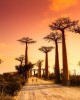
Eco and Wildlife tour in Morondava - Baobab Alley in Morondava and Kirindy forest natural reserve
The Avenue of the Baobabs, or Alley of the Baobabs, is a prominent group of roughly 30 baobab trees along a 260 m stretch of the road This location i
Quick tours search
Tour Categories
- Any tour category
- Adventure tour
- Arts and Crafts tour
- Boating and Sailing tour
- Children's tour
- Culture and History tour
- Diving tour
- Eco and Wildlife tour
- Excursion
- Expedition
- Fishing tour
- Gourmet & Cooking tour
- Hiking tour
- Hunting tour
- Jeep tour
- Private tour
- Railway trip
- Safari
- Shopping tour
- Sightseeing Nature tour
- Trekking tour
- Walking tour
- Wine tasting tour
Private Guide in Ethiopia

Yonas
Private Guide in Addis Ababa
I taught for seven years in different parts of the country. Then I decided to go to school to study tourism. There, I got what my real soul is and for what purpose am created for! Read more
Tour in New Zealand
Private tour in Auckland
Looking forward to have some great time on the beach? Want to discover the fruitful wine industry of the Auckland area? Well, with this private tour in Auckland you will enjoy both these great activities during a single day! Read more